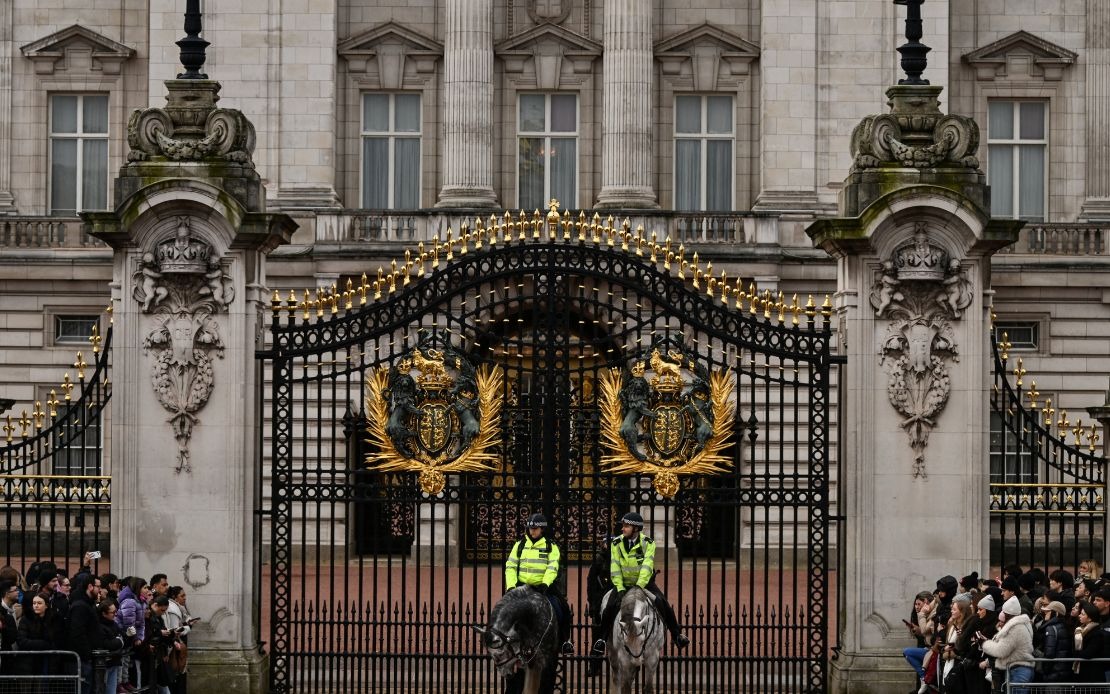
Britain's King Charles III and Queen Camilla have confirmed they will preserve Buckingham Palace's role as the ceremonial and administrative heart of the monarchy once its extensive renovation programme concludes, according to an announcement from the Royal Household on Thursday. The decision underscores the strategic importance of maintaining the iconic London residence as a working palace for state functions rather than converting it into a private royal residence, a shift that reflects contemporary approaches to heritage management and public access in Britain's constitutional monarchy.
The Royal Household's statement on royal finances clarifies that following the completion of the refurbishment initiative, the King and Queen will continue to orchestrate official ceremonies, state receptions, and other formal events within the palace's historic walls. This commitment ensures that Buckingham Palace retains its longstanding position as the principal workplace of the Royal Household and reinforces its significance as both a functioning seat of power and a treasured national heritage asset. The arrangement demonstrates how modern royal practice balances the requirements of ceremonial duty with evolving public expectations regarding access to crown property.
The restoration project, now entering its final year after nearly a decade of intensive work, represents one of the most significant undertakings in the palace's contemporary history. The Buckingham Palace Reservicing Programme addresses critical infrastructure requirements, including modernising mechanical and electrical systems, improving climate control, and enhancing structural integrity. Such comprehensive refurbishment is essential for maintaining a building of such architectural complexity and historical significance, particularly given the demands placed upon it by constant official use and public visitation throughout the year.
Data released by the Royal Household reveals the substantial scale of ceremonial activity hosted across royal palaces. During the 2025-2026 financial year, nearly 97,000 guests attended a total of 827 events held at royal residences, demonstrating the ongoing centrality of these venues to state business and royal representation. Buckingham Palace, as the principal setting for such occasions, will presumably continue to accommodate a significant proportion of this official entertaining following the completion of refurbishment works, ensuring that its role as a venue for state dinners, investiture ceremonies, and diplomatic receptions remains undiminished.
The financial commitment to maintaining royal palaces reflects the broader infrastructure challenges facing heritage institutions across Britain. The Sovereign Grant, which provides public funding to support the monarch's official duties and sustain occupied royal residences, increased to £132.1 million for the 2025-2026 financial year. Of this total, £67.5 million was designated specifically for preserving and protecting occupied royal palaces, underscoring the substantial resources required to maintain these historic structures in suitable condition for continued operational use.
For Malaysian readers and regional observers, the British monarchy's approach to heritage conservation and public access offers instructive lessons. The decision to maintain Buckingham Palace as a ceremonial centre rather than a private residence reflects broader international trends in how royal institutions engage with cultural heritage and democratic principles. Countries throughout Southeast Asia and the Commonwealth have grappled with similar questions regarding the balance between royal privacy and public stewardship of national treasures, making Britain's experience particularly relevant.
The refurbishment programme also carries symbolic weight within the context of King Charles III's reign and his well-documented environmental and sustainability concerns. Modern restoration work on historic palaces increasingly incorporates contemporary standards for energy efficiency and environmental responsibility, potentially positioning Buckingham Palace as an exemplary case study in how heritage preservation can align with contemporary environmental objectives. Such integration of conservation and sustainability principles has become increasingly important to public perception of royal institutions globally.
The confirmation that the palace will remain primarily a workplace rather than a residence also reflects pragmatic considerations about the scale and complexity of maintaining such a vast building. Buckingham Palace comprises over 800 rooms and employs a large permanent staff dedicated to its operation and maintenance. Designating it as a ceremonial and administrative centre rather than a private home allows the Royal Household to optimise its usage patterns and justify the substantial public investment required for its upkeep.
Looking forward, the completion of the Buckingham Palace Reservicing Programme will mark a significant milestone in the early years of King Charles III's reign. The successful conclusion of this major capital project will demonstrate the monarchy's capacity to undertake complex modernisation while preserving historical integrity, a balance that increasingly defines how historic institutions adapt to contemporary requirements. The palace's continued function as a venue for state ceremony and public engagement will ensure that one of the world's most recognisable symbols of monarchy remains active, accessible, and relevant to successive generations of British citizens and international visitors.

