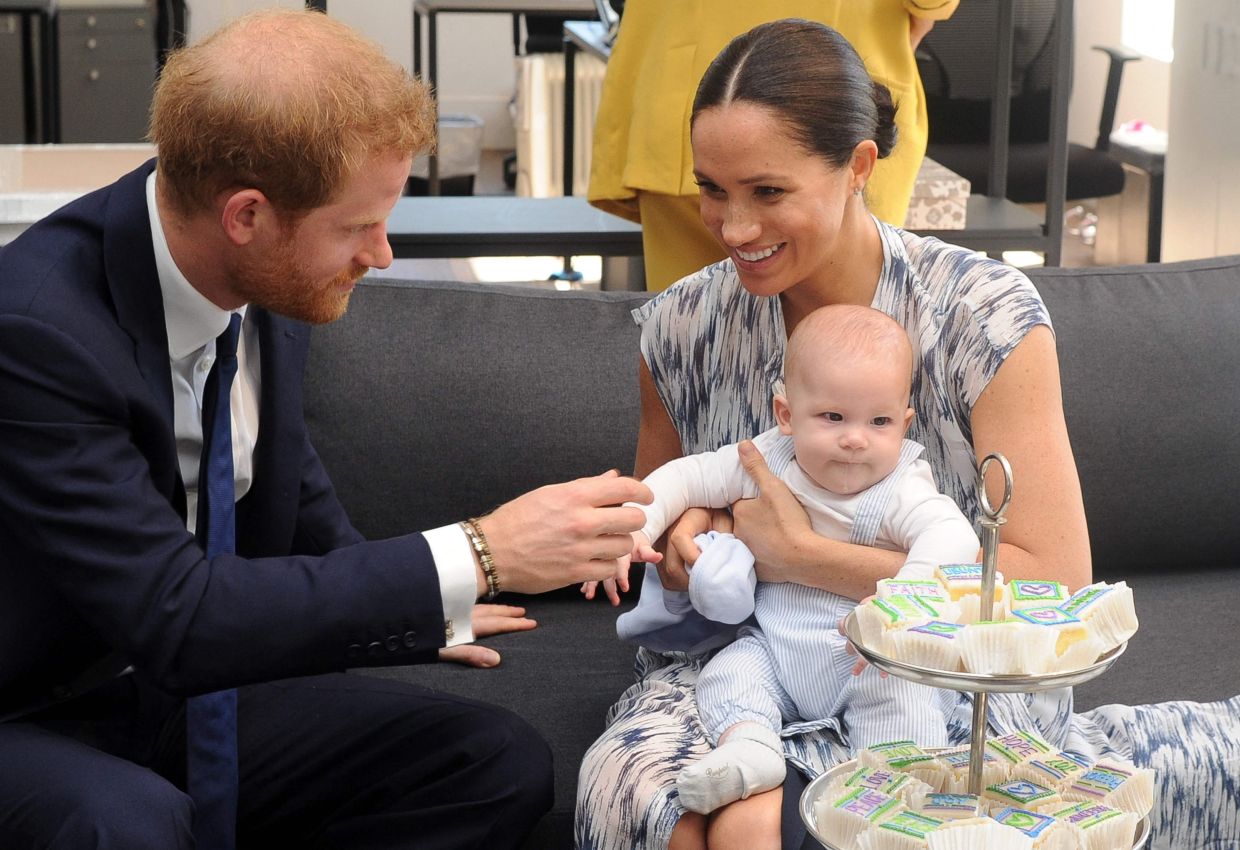
The British royal family took a notable step toward healing longstanding tensions when King Charles III welcomed Prince Harry, Meghan and their two children to Highgrove House, a countryside estate west of London, on Friday. The gathering represented the first substantive family meeting in years between the king and his younger son, whose departure from royal duties in 2018 and subsequent relocation to the United States had created a deep rift within the House of Windsor. The occasion brought together the monarch, Queen Camilla, Prince Archie, aged seven, and Princess Lilibet, aged five, in what Buckingham Palace confirmed as a deliberately private occasion.
Prince Harry's arrival in Britain on July 6 had been shrouded in uncertainty, with extensive media speculation about whether his family would accompany him or whether the meeting would materialise at all. The prince had travelled home to fulfil commitments related to several charitable initiatives, but the prospect of a reunion with his father dominated public discourse far more than his philanthropic work. Media outlets spent days dissecting the likelihood of a family gathering, with particular focus on whether Meghan would make the journey and, critically, whether the couple's children would finally have extended contact with their paternal grandfather in a meaningful way.
The logistical challenges surrounding such a meeting were considerable. Royal schedules operate on timelines extending years into the future, with commitments locked in long before execution. The window of opportunity proved particularly narrow given that the children needed to return to California before the school year commenced and that their permanent residence on the American west coast made protracted family time impractical. This pressure to act quickly contributed to awkward exchanges between Harry's representatives and royal officials earlier in the week, notably when Buckingham Palace initially extended and subsequently withdrew an invitation for the prince to stay at the palace itself, citing administrative confusion about his acceptance.
The reunion carries weight beyond its ceremonial dimensions because of the deteriorating health situation within the royal family. King Charles, now 77 years old, is currently undergoing treatment for an undisclosed form of cancer, a reality that has reportedly motivated Harry's desire for family reconciliation. The prince has publicly acknowledged that his father's medical circumstances have concentrated his mind on repairing relationships that had fractured during the preceding years. This medical context lends urgency to the family's attempts to bridge divides that had accumulated into deeply entrenched positions.
Previous contact between father and son had been minimal and formal. Harry and Charles had shared tea during a brief London visit in September, marking their first encounter in over a year, but that meeting bore none of the extended family character of Friday's gathering. For the young royals Archie and Lilibet, Friday represented only their second meaningful encounter with their grandfather. Their first meeting had occurred during celebrations surrounding Queen Elizabeth II's Platinum Jubilee in 2022, an occasion that had provided limited opportunity for the kind of grandparent-grandchild bonding that typically characterises closer family relationships. Friday's visit offered a chance for the children, now old enough to retain memories of the occasion, to develop a more authentic connection with King Charles.
The background to this reconciliation effort stretches back to Harry and Meghan's 2018 decision to step away from formal royal duties and establish themselves in California, pursuing commercial media ventures and pursuing what they characterised as a life free from the intrusive pressures of British media attention and institutional constraints. That departure had triggered waves of public debate about royal duty, family obligation and personal autonomy, debates that intensified substantially when Harry subsequently published a memoir that offered stinging critiques of various family members and the monarchy's relationship with the British press.
Harry's written account alleged that royal family members had systematically leaked information about one another to journalists in exchange for positive media coverage. The prince proved especially critical of Queen Camilla, accusing her of sharing private conversations with media contacts while rehabilitating her public image following her long-term affair with Charles during his decades as heir to the throne. These allegations, combined with the broader narrative of institutional dysfunction presented in the memoir, had deepened family wounds and substantially complicated any path toward reconciliation.
The legal environment surrounding Harry's stay in Britain also contributed to the fraught atmosphere. During this same visit, the prince suffered a significant courtroom defeat when a judge ruled against his privacy claims in a lawsuit targeting a British tabloid publisher. This legal setback represented the culmination of years of litigation through which Harry had sought to challenge invasive media practices. His legal battles have become a persistent source of family tension, with members of the royal household apparently questioning both his tactics and his willingness to air grievances publicly rather than pursuing private family discussions.
Despite these accumulated grievances and complications, Harry has persistently signalled his desire to rebuild his relationship with his father. In recent media interviews with the BBC, he has expressed that continuing conflict serves no productive purpose and that he hopes for genuine family reconciliation. His acknowledgment of his father's age and medical vulnerability underscores the time-sensitive nature of any repair effort. The prince has also suggested that certain royal officials had attempted to obstruct his security arrangements as a form of punishment for his departure from royal life, accusations that further complicated family dynamics.
Friday's meeting at Highgrove, deliberately kept private with no official photographs released, represents concrete movement toward the reconciliation Harry has articulated. The fact that the full family unit—including Meghan and the children—made the journey suggests a genuine commitment from all parties to move beyond the positions that have defined their conflict. For Malaysian and Southeast Asian observers, the royal family's attempt to navigate personal estrangement within an institution built on duty and tradition offers interesting parallels to family dynamics within hierarchical cultures that similarly navigate tensions between individual autonomy and collective obligation.
The significance of this reunion extends beyond immediate family dynamics. The British monarchy continues to navigate questions about its relevance and evolution in the twenty-first century, particularly as younger generations of royals redefine their roles and relationships to institutional constraints. Harry's decision to step away and establish an independent life challenged fundamental assumptions about royal duty, yet his subsequent actions—seeking reconciliation, pursuing reconciliation with his father, attempting to maintain family bonds—suggest ongoing ambivalence about his separation from the institution. Whether this meeting catalyses broader healing or represents merely a tactical moment in an ongoing conflict remains to be seen, but it signals that channels of communication, however strained, remain open within the Windsor family.

