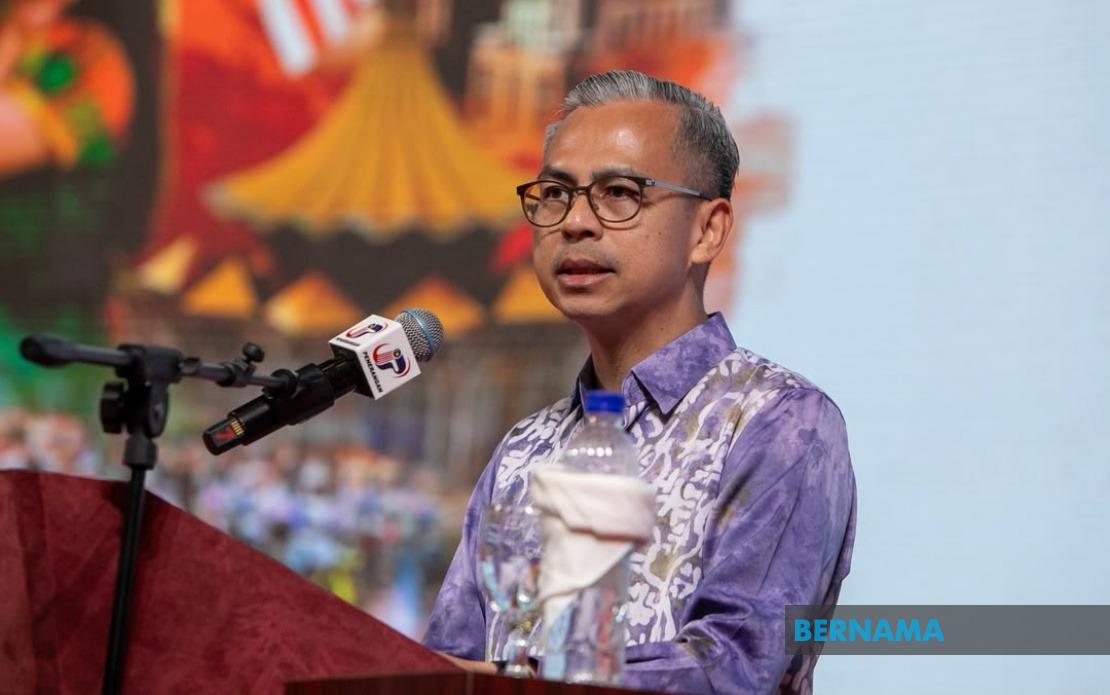
The Kembara Merdeka Jalur Gemilang convoy will retain its position as a pivotal vehicle for strengthening patriotic sentiment and national cohesion across Malaysia, Communications Minister Datuk Seri Fahmi Fadzil declared at the launch of the 2026 National Month and Fly the Jalur Gemilang campaign in Ipoh. The annual mobile initiative, which traverses the nation to galvanize public support for the country's founding ideals, will feature prominently among the centrepiece events during the combined National Month and Malaysia Day observances scheduled for next year.
The decision underscores the government's commitment to maintaining tried-and-tested mechanisms for reinforcing Malaysian identity at a time when social fragmentation and competing narratives threaten national cohesion. By continuing the convoy programme, officials aim to create tangible spaces where citizens from diverse backgrounds can congregate around shared symbols of sovereignty and pride. The programme's itinerant format allows it to reach communities across peninsular Malaysia and beyond, ensuring that patriotic messaging penetrates urban centres and peripheral localities alike.
Fahmi revealed that the 2026 festivities will operate under the overarching theme "Malaysia MADANI: Kesejahteraan Dinikmati" (Malaysia MADANI: Shared Prosperity), a branding that links national celebration to the government's broader development agenda. This thematic scaffolding attempts to fuse ceremonial patriotism with tangible promises of improved living standards, positioning national pride not merely as an abstract sentiment but as intertwined with material wellbeing. The alignment reflects official acknowledgement that citizens' willingness to embrace collective national identity depends substantially on whether governance delivers concrete improvements to their daily lives.
Although the government intends to stage celebrations with fiscal restraint—optimizing existing resources rather than expanding budgetary outlays—the minister emphasized that constrained finances will not compromise the primacy of fostering deeper appreciation for Malaysia's journey to independence. This balancing act reveals the tension between aspirational messaging and budgetary realities facing a government navigating post-pandemic fiscal pressures. Administrators must therefore demonstrate resourcefulness in generating impactful national observances without proportional increases in expenditure, a challenge particularly acute given the economic headwinds affecting household incomes across Malaysia.
Central to the campaign strategy is the intensification of the "One House, One Jalur Gemilang" initiative, designed to proliferate displays of the national flag across residential and commercial landscapes. This grassroots mobilization tactic seeks to transform the flag from an occasional ceremonial object into an everyday visual reminder of national identity, sovereignty, and collective pride. By encouraging ubiquitous flag-flying, authorities hope to normalize expressions of patriotism and create an environment where national sentiment becomes embedded in the physical fabric of towns and villages. The initiative acknowledges that patriotism is not merely fostered through top-down governmental pronouncements but requires cultivation of a social environment where citizens regularly encounter and participate in symbolic acts of national affirmation.
The campaign's official launch occurred at the Sultan Azlan Shah Ministry of Health Training Institute in Tanjung Rambutan, Perak, an institutional venue that carries symbolic weight within the state's governance architecture. Prime Minister Datuk Seri Anwar Ibrahim officiated the ceremony, lending executive gravitas to the initiative and signalling that the administration views national unity and patriotic mobilization as a governance priority rather than merely ceremonial obligation. The attendance of National Unity Minister Datuk Aaron Ago Dagang further underscored the governmental view that flag-flying campaigns and convoy programmes constitute substantive instruments of national cohesion policy.
Perak Menteri Besar Datuk Seri Saarani Mohamad's participation reflected the federal-state cooperative dimension of the initiative, acknowledging that effective patriotic messaging requires synchronized messaging across different tiers of government. This multilevel engagement ensures that national campaigns benefit from local legitimacy and administrative machinery, whilst preventing the appearance of top-heavy federalism imposing campaigns upon reluctant state authorities. By situating the launch in Perak and including its chief minister, planners evidently sought to demonstrate that patriotic initiatives enjoy broad-based support across Malaysia's political leadership.
The emphasis on unity and shared prosperity carries particular resonance given Malaysia's persistent negotiation of religious, ethnic, and socioeconomic fault lines. A country where competing communal interests frequently generate political tension requires deliberate institutional efforts to remind citizens of common stakes in national stability and shared identity. The convoy and flag-flying initiatives constitute precisely such efforts—mechanisms designed to create moments and spaces where national belonging supersedes factional allegiances. Whether such ceremonial exercises genuinely reshape underlying cleavages or merely provide ephemeral respite from sectarian tensions remains contested among observers, though officials evidently judge them sufficiently valuable to integrate into annual governance rhythms.
The selection of patriotism as the organizing principle for national celebrations reflects a strategic choice to emphasize unity over diversity, shared symbols over particularistic interests. This approach carries both advantages and limitations. On the one hand, it provides an overarching narrative that purportedly transcends sectional divisions and creates space for genuine cross-communal participation. On the other hand, critics contend that patriotic rhetoric sometimes obscures structural inequalities and suppresses legitimate demands for rights and recognition. The government's framing of patriotism as conducive to national wellbeing assumes a harmony between love of country and acceptance of existing arrangements that not all Malaysians necessarily share.
The 2026 campaign's emphasis on constrained but meaningful celebration also speaks to broader governance challenges confronting the administration. Malaysians increasingly scrutinize whether public resources allocated to national events could instead address pressing concerns regarding cost of living, healthcare access, and educational opportunity. The government's commitment to demonstrating patriotic commitment whilst exercising fiscal discipline suggests official recognition of this legitimacy concern. By emphasizing that patriotic mobilization requires not profligate expenditure but rather creative deployment of existing capacity, authorities attempt to demonstrate that nation-building and responsible resource stewardship can proceed in tandem.
Looking beyond the immediate 2026 celebrations, the Kembara Merdeka Jalur Gemilang convoy and accompanying initiatives reflect a governmental philosophy that patriotism requires continuous, institutionalized cultivation. Rather than assuming that national sentiment naturally persists, Malaysian policymakers evidently believe that systematic reinforcement through recurring campaigns, visible symbols, and ceremonial occasions is necessary to sustain collective identity. Whether this reflects accurate assessment of contemporary Malaysian civic consciousness or reveals governmental anxiety about the fragility of national cohesion remains an open question, but the persistence of such initiatives across administrations suggests sustained official conviction regarding their utility.

