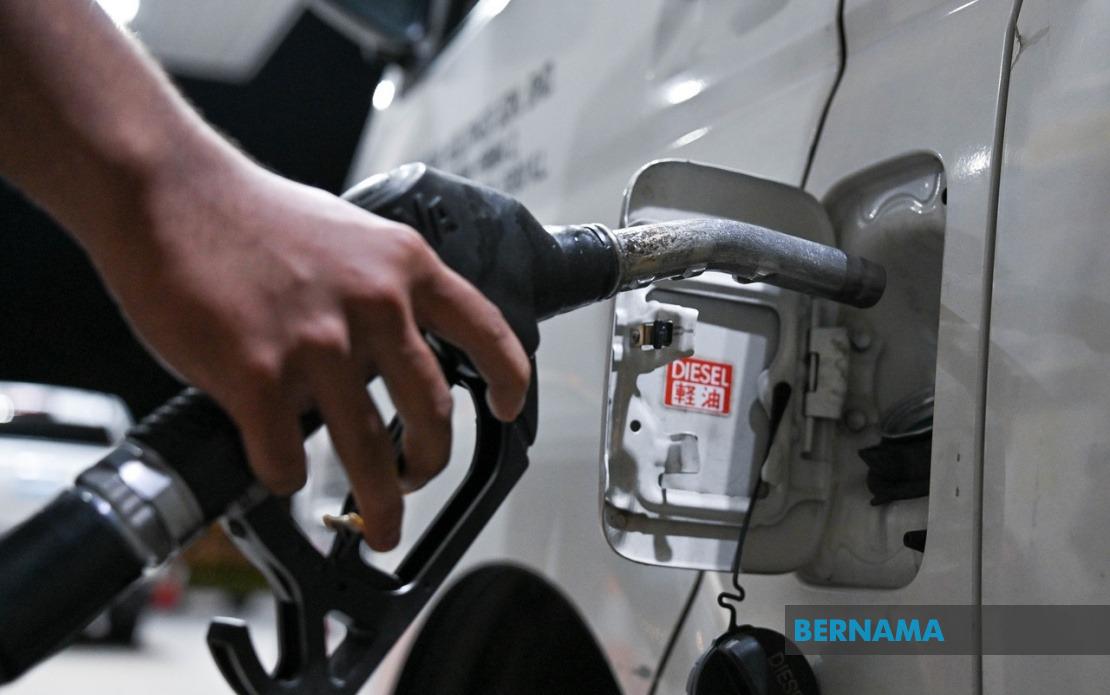
Malaysia's Ministry of Domestic Trade and Cost of Living (KPDN) has dismantled longstanding restrictions on diesel purchases for land transport vehicles across Sabah, Sarawak, and the Federal Territory of Labuan, eliminating caps that previously limited buyers to between 50 and 150 litres per transaction. The reversal, which took effect on July 1, represents a significant policy shift in how the government manages fuel distribution in Malaysia's eastern regions.
The decision follows Prime Minister Datuk Seri Anwar Ibrahim's announcement on June 21 concerning the BUDI Diesel Programme, which standardised subsidised fuel prices across the country at RM2.10 per litre. Datuk Azman Adam, KPDN's Director-General of Enforcement, explained that lifting the March 27, 2026 directive was a logical next step once the pricing framework had been unified. The removal of quantity restrictions removes a layer of administrative oversight that had previously governed how much subsidised diesel transporters could access at any given time.
The timing of this announcement signals the government's confidence in a new verification mechanism designed to replace the old quantity-control system. Starting the same day, petrol stations across the three jurisdictions began implementing MyKad-based authentication for subsidised diesel purchases. This digital identity verification approach aims to ensure that fuel benefits reach only eligible consumers rather than being diverted to unauthorized users or resold at profit on secondary markets.
For transporters and haulage operators in East Malaysia, the removal of purchase limits offers considerable operational flexibility. Previously, businesses requiring larger fuel quantities for long-haul routes or fleet operations had to navigate complex approval processes or make multiple visits to petrol stations. The new system promises streamlined access to subsidised fuel, potentially reducing transaction costs and downtime associated with compliance checks. This is particularly relevant for industries dependent on reliable road transport, including palm oil logistics, timber operations, and agricultural supply chains.
The shift also reflects broader government thinking about targeted subsidies. Rather than imposing blanket quantity restrictions that inconvenience legitimate users and invite circumvention, the MyKad mechanism allows for real-time verification at the point of sale. Officials argue this approach is more efficient and responsive than administrative caps, as it can be adjusted or monitored centrally without requiring periodic directive revisions. The system also reduces reliance on physical inspection and documentation that previously slowed diesel transactions.
KPDN's statement emphasised that all petrol station operators and fuel retailers holding scheduled controlled goods licences in Sabah, Sarawak, and Labuan must fully comply with the new purchase mechanism. This explicit reminder underscores potential implementation challenges, as retailers must update payment systems, staff training, and verification protocols within a single day. The transition from manual controls to digital identity checking represents a meaningful infrastructure upgrade for fuel distribution networks in these states.
The policy change carries implications for Malaysia's subsidy spending trajectory. By tightening verification through the MyKad system while removing quantity caps, the government aims to maintain fiscal discipline without restricting legitimate consumption. Subsidising diesel at RM2.10 per litre nationwide requires substantial budget allocation, particularly as global crude prices fluctuate. The new mechanism offers a data-rich way to monitor consumption patterns and identify anomalies that might indicate leakage or fraud.
For regional context, East Malaysia has historically faced distinct fuel supply challenges owing to geography and infrastructure. Sabah and Sarawak rely heavily on diesel for powering remote communities, powering industrial operations, and supporting long-distance transport across less developed road networks. Removing purchase limits acknowledges these practical realities, while the MyKad system ensures that subsidies benefit residents and registered businesses rather than fuel traders or smugglers who might exploit price differentials with neighbouring jurisdictions.
The ministry's confidence in the new system rests partly on technology adoption rates. MyKad is Malaysia's mandatory national identification and can be read at most digital terminals. However, rural petrol stations in remote areas of Sabah and Sarawak may face challenges deploying compatible card readers or maintaining consistent internet connectivity required for real-time verification. KPDN's call for full compliance suggests rollout planning has accounted for these variations, though field implementation will reveal practical bottlenecks.
Industry observers note that this policy represents a calculated bet on administrative efficiency replacing quantity controls. Success depends on whether petrol stations consistently verify eligibility and whether the subsidised fuel price—fixed at RM2.10—remains politically sustainable amid global petroleum movements. If compliance falters or smuggling resumes, KPDN may need to reintroduce restrictions or heighten enforcement scrutiny.
The cancellation also signals trust in market conditions and transport sector stability in East Malaysia. By removing artificial constraints on fuel access, the government implicitly projects that supply chains will function smoothly and that price competition or opportunistic behaviour will not immediately spike. Transport operators can now plan fuel procurement without worrying about hitting quota limits, theoretically improving logistics efficiency across resource-rich states where reliable fuel access directly impacts economic productivity.
Looking forward, success of the MyKad-based system in Sabah, Sarawak, and Labuan could shape how subsidies are administered elsewhere in Malaysia. If digital verification proves effective at reducing fraud while maintaining access for eligible users, policymakers may consider similar architectures for other controlled goods or support programmes. The experiment essentially tests whether technology can replace bureaucratic gatekeeping in modern Malaysia's subsidy architecture.

