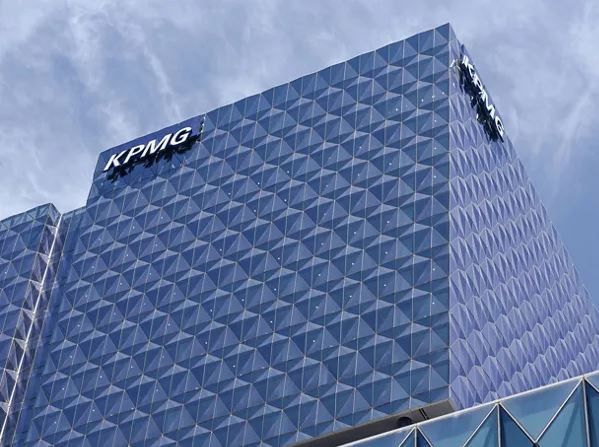
KPMG Australia has taken another step in its attempted rehabilitation by appointing Michael Ebeid as the firm's first independent chairman, marking the latest chapter in an unfolding corporate governance crisis that shows little sign of resolution. The announcement on Thursday arrives as part of a broader leadership restructuring following damaging revelations that the consultancy improperly exploited confidential client materials to secure lucrative audit contracts. Yet the appointment has immediately triggered fresh accusations from lawmakers that KPMG remains unable or unwilling to place genuinely independent oversight above its existing power structures and relationships.
Ebeid's elevation to the top governance role comes swiftly on the heels of a more comprehensive leadership exodus announced just a week earlier. The firm's previous chairman and two other senior partners have committed to stepping down as part of what management describes as necessary reforms designed to restore stakeholder confidence. The chief executive and the head of audit operations both departed in May, signalling that the scandals have penetrated the highest levels of the organization. These cascading resignations underscore the severity of the reputational damage and the scale of internal dysfunction that KPMG must now address to remain viable as a trusted professional services firm.
The underlying crisis that prompted these changes began in earnest during March when Senator Deborah O'Neill of the Labor Party weaponized parliamentary privilege to publicly disclose allegations that had been simmering inside the firm for months. A former senior executive, acting as a whistleblower, had brought concerns to KPMG management in 2024 detailing how junior staff members had systematically extracted sensitive board-level papers from the real estate developer Lendlease. The documents were then allegedly repurposed internally to strengthen the firm's competitive bids for major audit mandates. This practice raised profound questions about client confidentiality, fiduciary duty, and the basic integrity of Australia's professional services sector.
Ebeid himself articulated a vision of organizational renewal in his initial statement, promising to establish independent oversight mechanisms, embed ethical principles throughout operational systems, and drive the cultural metamorphosis the firm desperately requires. He identified his immediate priority as restoring the board's governance capacity and operational effectiveness. The incoming chairman also signalled that KPMG would accelerate its search for a new chief executive, with the board aiming to announce the appointment by the end of July. These timelines suggest an organization determined to demonstrate momentum toward change, though skeptics may view the pace as merely performative.
However, Ebeid's professional history with KPMG complicates the narrative of independent stewardship that his title implies. He previously served as head of Australia's public broadcaster SBS and was first engaged by KPMG in 2024 as an independent adviser attached to the national board structure. Since 2025, he has maintained a position on the firm's Asia-Pacific board, meaning he occupied an insider role while the misconduct was unfolding and the subsequent investigations were either underway or chronically stalled. This dual status—simultaneously insider and newcomer—raises inevitable questions about whether Ebeid can perform the kind of dispassionate external scrutiny that genuine independence demands.
Those doubts have been sharpened considerably by internal correspondence that the parliamentary committee investigating the scandal has now released into the public domain. The emails show Ebeid criticizing Senator O'Neill's parliamentary statements as "very inappropriate and unfair" and dismissing substantial portions of her disclosures as "completely false," particularly regarding the sequence of events described by the original whistleblower. This private commentary reveals that Ebeid had formed hardened positions defending the firm's narrative against external scrutiny even before his promotion to chairman. For observers concerned about KPMG's willingness to truly reckon with its failings, such defensive posturing at the moment of attempting to demonstrate reform is deeply concerning.
The criticism has crystallized around Barbara Pocock, a Greens senator serving on the parliamentary committee, who characterized Ebeid's appointment as a textbook conflict of interest that fails elementary ethical standards. Pocock emphasized that the released correspondence demonstrates Ebeid's pre-existing knowledge of the internal allegations and his established interpretations regarding the whistleblower's credibility and claims. Rather than signalling a genuine commitment to external oversight and cultural renewal, Pocock suggested the appointment reveals how thoroughly entrenched the problematic patterns of leadership remain within KPMG's organizational structure. She articulated the concern that elevating Ebeid risks perpetuating rather than dismantling the very institutional dynamics that generated the scandal in the first place.
KPMG's track record in addressing the scandal compounds these apprehensions. The firm has now launched a fourth independent investigation after three previous inquiries failed to substantiate any wrongdoing—a sequence that strains credibility and invites questions about either investigative competence or institutional resistance to acknowledging problems. Simultaneously, the company has acknowledged mishandling the original whistleblower complaint, effectively admitting that internal systems designed to protect disclosure failed at a fundamental level. For a professional services firm built on claims of integrity and independent judgment, these acknowledgments represent profound indictments of institutional culture and management capability.
The timing of Ebeid's appointment also intersects with broader political action on professional services reform across Australia. The centre-left Labor government, responding to accumulated scandals within the sector, has commenced serious consideration of dismantling the Big Four accounting and consulting model that currently dominates the market. Such structural intervention would represent an extraordinary assertion of regulatory authority and reflects political judgment that existing corporate governance mechanisms have proven inadequate to protect public interest. Against this backdrop, KPMG's appointment of a chairman with visible historical ties to the firm and defensive positioning toward whistleblower allegations reads as tone-deaf positioning that may accelerate rather than forestall regulatory action.
For Malaysian and Southeast Asian observers, the KPMG situation carries cautionary implications regarding professional services sector governance across the region. The Big Four firms maintain substantial operations throughout Southeast Asia, including in Malaysia, and often serve as models for local practitioners regarding standards and conduct. When international audit and consulting firms face credibility crises in developed economies, confidence reverberates across their entire global network. Malaysian executives and regulators would be wise to scrutinize governance practices and whistleblower protections within regional professional services operations rather than assuming that international brand names guarantee institutional integrity or rigorous independent oversight.

