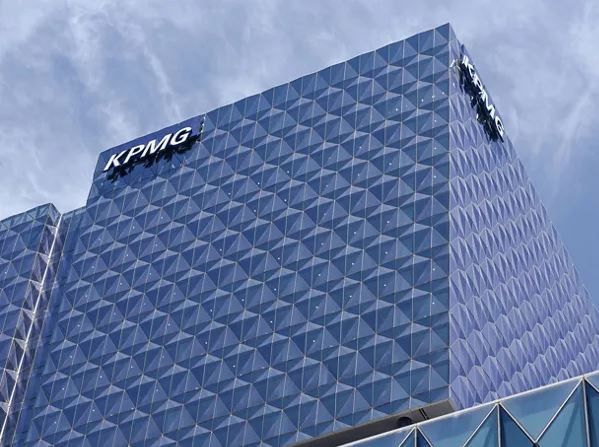
Australia's KPMG office announced Monday that it has disciplined seven staff members with financial penalties reaching A$180,000 (approximately US$125,838) following an internal investigation into misconduct involving the unauthorised use of confidential client data. The penalties represent the firm's most substantial response yet to an escalating crisis that has engulfed the major accounting and consulting giant since allegations emerged publicly in March.
The sanctions imposed on the seven employees take multiple forms, reflecting varying degrees of culpability. Beyond financial penalties, disciplinary measures include formal warnings, restrictions on career advancement opportunities, and reductions in performance ratings that will affect future compensation and promotion prospects. Two of the affected staff members opted to retire from KPMG before the penalties were formally handed down, suggesting they anticipated the severity of the forthcoming disciplinary action.
The investigation substantiated that KPMG personnel had inappropriately shared internal documents containing sensitive client information among themselves within the firm's structure. This finding contradicted the firm's initial assessments, which had concluded that earlier investigations failed to produce evidence supporting the misconduct allegations. The revelation that wrongdoing did occur, particularly after those earlier denials, compounds the reputational damage KPMG faces in the Australian market.
Three senior audit partners within the group of seven have already been individually fined for their misuse of confidential board papers obtained from Lendlease, the major real estate company whose private information was allegedly leveraged to secure audit contracts. The targeting of these senior figures indicates that the misconduct was not merely isolated junior employee behaviour but involved individuals holding significant responsibility and authority within the firm's audit division.
The scandal has inflicted substantial organisational consequences at KPMG's leadership level. The firm's Chief Executive Officer, the head of its audit practice, and its chairman have all resigned in response to the crisis. These departures signal the gravity with which the board and stakeholder community have regarded the breach of professional ethics and client trust. For a firm built substantially on its reputation for rigorous standards and confidentiality, such losses at the top represent a serious challenge to rebuilding credibility.
The Australian government and prominent corporate clients have maintained intense pressure on KPMG throughout this controversy. Government scrutiny reflects broader concerns about whether professional service firms adequately police their own conduct when handling sensitive commercial information. Large corporate clients, whose trust forms the foundation of KPMG's business model, face their own reputational risks if KPMG personnel possessed and misused their confidential strategic information.
Australian Securities and Investments Commission (ASIC), the country's primary corporate regulator, is conducting a parallel investigation into three partners implicated in the matter. Two of the three have been publicly identified by ASIC and have departed KPMG; both were among the partners previously fined by the firm itself for the Lendlease board paper misuse. The third partner remains unnamed publicly, though ASIC continues its examination of their involvement.
The pattern of conduct underlying this scandal—using inside information from one client to advantage another client relationship—strikes at the core tension within large professional service firms. These organisations simultaneously serve many clients with competing interests, creating inherent conflicts that require robust internal controls and ethical culture to manage effectively. When staff members exploit confidential information to win new business, they breach the foundational client-firm relationship that permits such multi-client operations to function.
For Southeast Asian firms and professionals, the KPMG scandal offers cautionary lessons about the importance of maintaining information barriers and ethical standards. Malaysia's corporate sector engages extensively with KPMG and comparable international firms for audit, tax, and consulting services. The visibility of this Australian case underscores the risks that arise when professional standards slip, and demonstrates that even globally respected firms face severe consequences for misconduct.
The internal investigation's confirmation of wrongdoing, after initial denials, also raises questions about how thoroughly KPMG's initial reviews examined the allegations. This sequence suggests that discovering and addressing misconduct in large, complex organisations requires persistent investigation and willingness to pursue evidence vigorously, rather than accepting preliminary findings that exonerate the firm. Clients seeking assurance about KPMG's reform efforts will likely scrutinise whether the firm has genuinely overhauled its internal control mechanisms or merely responded to exposed misconduct.
The financial penalties, while substantial in absolute terms, represent a small fraction of KPMG Australia's annual revenues, raising questions about whether fines of this magnitude provide adequate deterrent effect. The resignation of senior leadership and the reputational damage may ultimately prove more consequential than the monetary sanctions, as KPMG works to restore confidence among clients and regulators that it has fundamentally reformed its practices and recommitted to protecting client confidentiality.

