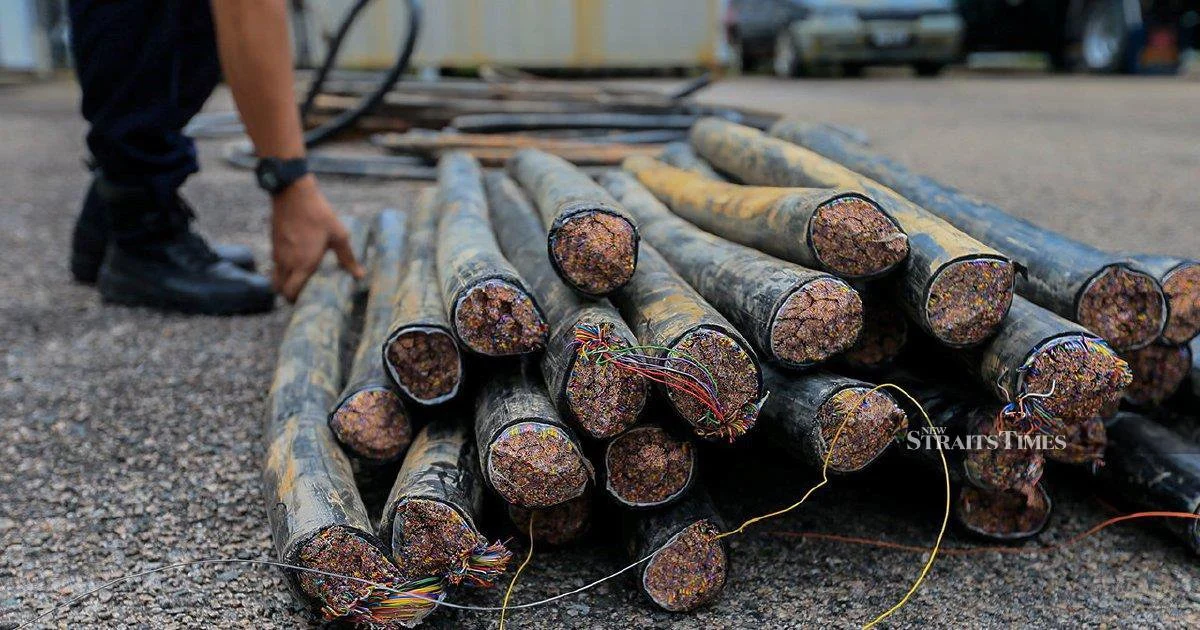
Kuala Lumpur's police force has recorded a dramatic decrease in cable theft cases during the opening months of 2025, signalling that coordinated enforcement efforts are beginning to bear fruit in tackling a crime that has plagued the capital's essential services. Between January and May of this year, authorities logged 71 reports of cable theft across the metropolitan area, representing a substantial reduction when compared to the 205 cases documented throughout the entirety of 2024. This downward trajectory reflects heightened police vigilance and improved coordination with infrastructure operators to protect critical installations.
The decline arrives as law enforcement agencies have prioritised cable theft as a significant concern affecting public services and economic productivity. Cable theft targets telecommunications networks, electricity distribution systems, water infrastructure, and transportation networks, creating widespread disruptions that extend beyond individual property loss. When thieves strip copper and aluminium conductors from underground or overhead installations, the consequences ripple through entire neighbourhoods, sometimes leaving residents without power, internet connectivity, or water supply for extended periods. The economic costs associated with emergency repairs, service restoration, and lost business hours accumulate rapidly, making prevention a priority for both police and utility operators.
Enforcement action has intensified considerably, with police recording 85 arrests connected to cable theft activities so far in 2025. These apprehensions have targeted both individuals engaged in opportunistic theft and those operating as part of organised criminal networks that systematically target infrastructure sites. The rise in arrests relative to the number of cases indicates that investigations are becoming more sophisticated, allowing authorities to identify and prosecute suspects more efficiently. Police have deployed additional patrols in high-risk areas and established dedicated task forces to monitor known theft hotspots, particularly in industrial zones and areas surrounding major transportation corridors.
The reduction in reported cases likely reflects multiple complementary strategies now in place across Kuala Lumpur. Enhanced perimeter security at infrastructure installations, including increased lighting and physical barriers, has deterred casual thieves from attempting quick theft operations. Telecommunications and utilities companies have also upgraded surveillance systems at vulnerable locations, enabling faster detection and response when theft is attempted. These physical improvements, combined with regular police foot patrols and vehicle checks, have created an environment where criminals find greater difficulty in completing theft operations undetected.
Intelligence-driven policing has emerged as another key element in the crackdown. By tracking patterns of theft and identifying individuals known to operate in cable theft networks, authorities have moved from reactive responses to proactive intervention. Police have worked with scrap metal dealers and recycling facilities to implement better screening protocols, making it harder for stolen materials to enter the legitimate supply chain without scrutiny. This approach cuts off the financial incentive that drives much of the criminal activity, since thieves rely on being able to quickly sell stolen copper and aluminium to dealers willing to ask minimal questions.
Community engagement initiatives have also contributed to the improved outcomes. Police have conducted awareness campaigns explaining the dangers of cable theft and encouraging residents and business owners to report suspicious activities. Utility companies have established dedicated hotlines for reporting potential theft, allowing faster response from security personnel and police. When communities become more vigilant and willing to report crime, police effectiveness naturally increases, as officers can respond to incidents while perpetrators remain in the vicinity rather than relying solely on after-the-fact investigations.
For Malaysian readers and regional observers, the Kuala Lumpur experience offers valuable lessons about infrastructure protection in rapidly urbanising environments. Cable theft represents a persistent challenge across Southeast Asia, affecting cities from Bangkok to Jakarta, Manila to Ho Chi Minh City. The fact that focused police attention and coordinated security measures can significantly reduce incidents demonstrates that the problem, while serious, is manageable through sustained commitment and strategic resource allocation. The 65 percent reduction in cases from 2024's full-year total suggests that Kuala Lumpur may be on track to achieve even more substantial reductions if current enforcement and prevention measures remain in place.
Looking forward, maintaining this progress requires sustained investment in infrastructure security and consistent police deployment. The 85 arrests made so far represent cases moving through the criminal justice system, and successful prosecutions will further deter potential offenders. However, police must remain vigilant against adaptation by criminal networks, which may shift their focus to other utility types or geographic areas where security is less developed. Continued cooperation between law enforcement agencies, utility companies, local government authorities, and community stakeholders will be essential to sustain the downward trend.
The declining cable theft figures underscore an important principle in urban crime prevention: when police, businesses, and communities align their efforts toward a common objective, even deeply embedded criminal activities can be reduced significantly. As Kuala Lumpur continues to develop as a major regional economic centre, protecting critical infrastructure from theft becomes increasingly important for maintaining the reliability and competitiveness of essential services upon which residents and businesses depend.

