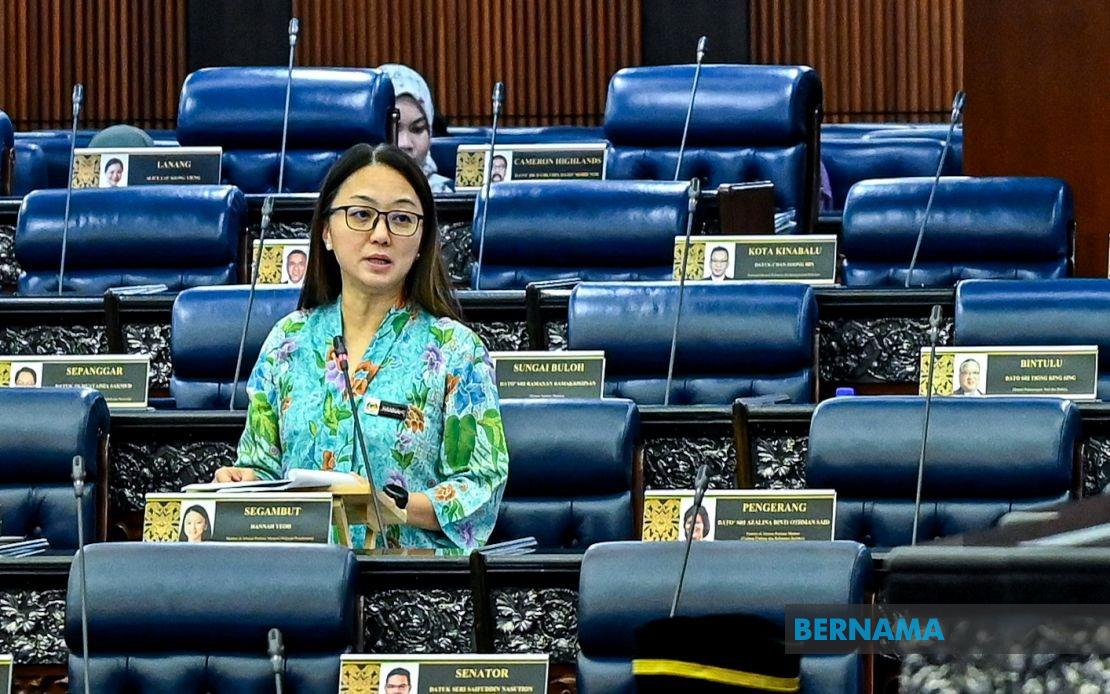
Kuala Lumpur City Hall (DBKL) faces a reckoning over integrity and governance standards, having earned a negligible 0.08 per cent out of a possible 5 per cent in the Public Service Corruption Ranking under the newly introduced 2025 Local Authority Star Rating System. The embarrassing performance triggered an urgent overhaul, with the municipal authority deploying 16 administrative and governance reform initiatives over the preceding six months. Minister in the Prime Minister's Department (Federal Territories) Hannah Yeoh disclosed the scale of the remedial action during parliamentary question time, signalling that DBKL leadership recognises the severity of the failings exposed by the assessment process.
The municipality's weak showing sparked a comprehensive diagnostic review that began with an engagement session held on March 2 with Members of Parliament representing constituencies within Federal Territory Kuala Lumpur. International Islamic University Malaysia (IIUM) conducted a formal study based on those consultations, yielding four overarching recommendations designed to fortify DBKL's administrative structures, governance frameworks, integrity protocols, and service delivery mechanisms. These recommendations addressed fundamental weaknesses that had corroded public confidence and created vulnerabilities to misconduct. The findings revealed systemic deficiencies that extended across multiple operational domains, from procurement and licensing to public asset management and political accountability.
Investigators from the Malaysian Anti-Corruption Commission (MACC) had previously identified five specific procedural vulnerabilities within DBKL's operations. These included the financial governance surrounding a radio studio content production initiative; the transparent and equitable allocation of stalls at Ramadan Bazaar sites; oversight of vendor contracts for business licensing service delivery; the management of the Malaysian Statutory Bodies Association Sports Championship; and the collection and accounting of rental revenues from public and people's housing schemes administered by the authority. Each weakness represented a potential point of leakage where corruption could flourish without detection, suggesting that the anti-corruption score reflected real operational gaps rather than isolated incidents.
Among the most significant structural changes, DBKL has disbanded the Special One Stop Centre (OSC) Committee, a move designed to enforce clearer separation of powers and reduce opportunities for political figures to exert undue influence over development approvals and strategic decisions. This dissolution reflects a deliberate pivot toward institutional independence and away from arrangements that concentrated decision-making authority. The authority has simultaneously expanded access to the OSC 3.0 Plus Portal, now enabling all Members of Parliament from Kuala Lumpur constituencies to examine development applications prior to mayoral approval and to lodge their views formally with the mayor before permits are granted. This transparency mechanism introduces a valuable layer of legislative oversight that previously did not exist, giving elected representatives a structured avenue to scrutinise municipal actions affecting their constituencies.
Constraining mayoral discretionary authority represents another critical guardrail. DBKL has capped the mayor's unilateral approval threshold for charitable contributions and discretionary spending at RM3,000, with any larger amounts now requiring Top Management Committee endorsement. This ceiling directly addresses the risk that personalised giving decisions could mask preferential treatment or misappropriation. The authority has also established three new oversight bodies: an Audit Committee no longer chaired by the mayor, a Governance and Integrity Committee tasked with monitoring standards, and a Mayor's Contributions Committee to vet all major disbursements. These bodies collectively constitute a robust system of checks and balances designed to prevent conflicts of interest and ensure that major decisions reflect institutional rather than individual preferences.
Career management practices have undergone renovation as well. DBKL is implementing mandatory job rotation for staff occupying high-risk positions, disrupting the pattern where long tenure in sensitive posts can foster complacency or enable corrupt networks to entrench themselves. The authority is also rolling out body-worn cameras for officers in phases commencing in the fourth quarter of 2024, introducing technological accountability measures that create an objective record of official conduct during public-facing interactions. These personnel policies signal a commitment to preventing the cultural normalisation of misconduct through systematic exposure and documentation.
The digitalisation agenda forms a centrepiece of DBKL's modernisation strategy, with obvious implications for reducing human discretion and shrinking opportunities for informal influence. As of July, the municipality had activated 170 online application services spanning licensing, permits, and administrative requests. The authority targets reaching 180 fully automated end-to-end services by year's end, with a longer-term ambition to process all applications through digital channels by 2030. This transition eliminates the intermediary role of administrative staff, curtails face-to-face negotiations, and creates transparent audit trails that document every decision. The e-Lesen licensing system exemplifies this shift, removing the traditional requirement for business owners to engage runners or intermediaries to navigate bureaucratic processes. The system has been integrated with the Departmental Enforcement System (SPJ), allowing DBKL to cross-reference and verify compliance automatically.
Licensing renewal policies have been recalibrated to improve efficiency and reduce repeat transactions that create unnecessary touchpoints for corruption. Effective July 1, DBKL extended licence validity periods from shorter intervals to three years, substantially reducing the frequency with which businesses must reapply and potentially cutting opportunities for informal payments or delays to disadvantage competitors. This elongated renewal cycle also eases administrative burden on business operators and DBKL staff alike, suggesting that integrity reforms can be designed to generate efficiency gains rather than imposing costs.
These cascading reforms reflect an implicit acknowledgement that DBKL's institutional culture had drifted toward personalised decision-making centred on individual officials' preferences rather than adherence to transparent procedures and collective governance. Hannah Yeoh framed the initiative as fundamentally reorienting DBKL's decision-making paradigm from individual authority to systems-based, integrity-driven governance. The scale and specificity of the 16 initiatives suggest that the 0.08 per cent score served as a catalytic shock forcing institutional self-examination rather than defensive posturing. Whether these reforms take genuine root will depend on consistent implementation, sustained political backing, and visible consequences for non-compliance. For Malaysian municipalities facing similar integrity concerns, DBKL's response offers a template for systematic remediation grounded in structural redesign rather than superficial procedural adjustments.

