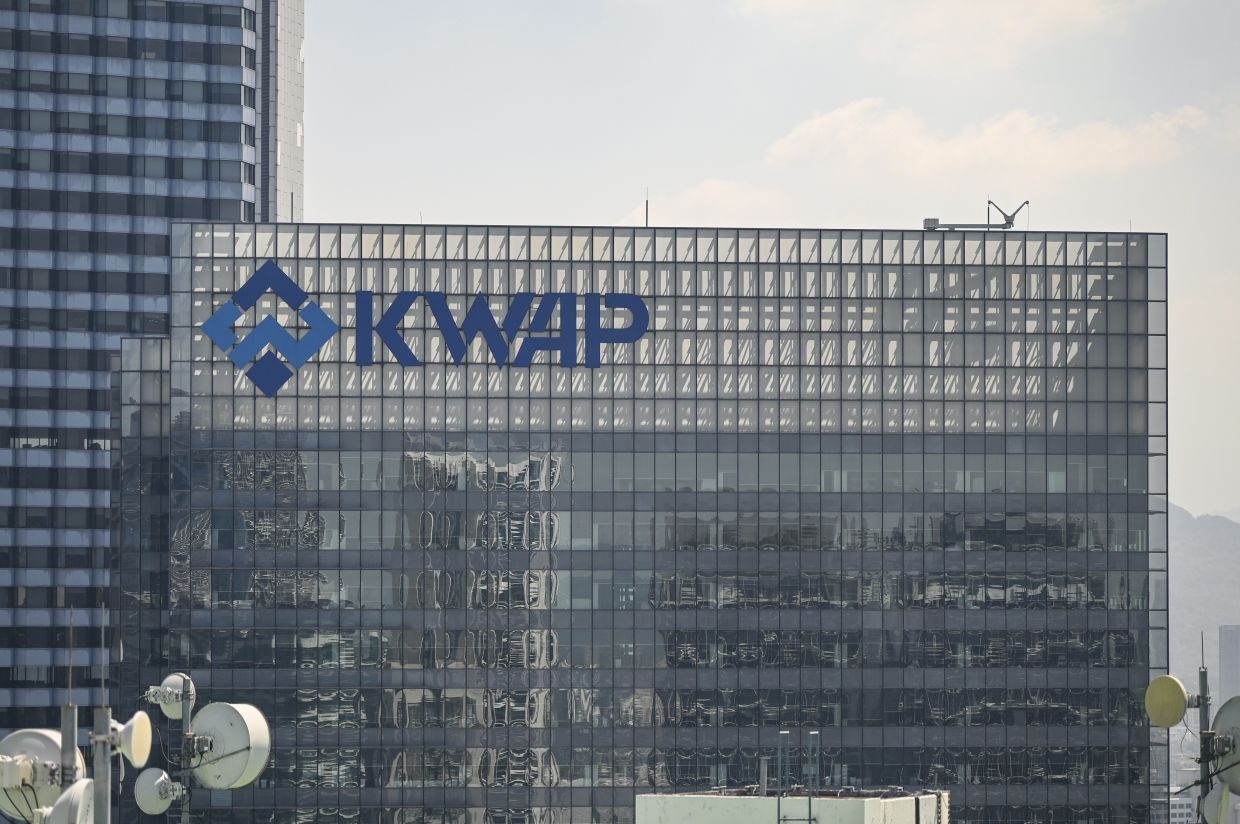
Malaysia's Retirement Fund (Incorporated), or KWAP, has reaffirmed its commitment to exhausting every possible channel to recoup its substantial exposure to eFishery, the Indonesian aquaculture technology startup that became embroiled in a major financial fraud scandal. The fund's stake in the company amounted to RM163.4 million, constituting roughly 2.51 per cent of eFishery's total shareholding, according to a statement released today by KWAP management.
The nature of KWAP's involvement in the eFishery case reflects a broader challenge facing institutional investors across Southeast Asia when venturing into high-growth private markets. As a minority shareholder among a consortium that included several major global institutional investors, KWAP was one of many sophisticated players deceived by the company's leadership. The Ministry of Finance has since characterised the entire affair as a meticulously orchestrated fraud, with eFishery's management deliberately falsifying financial statements to attract and retain investor capital over an extended period.
The scale of the misconduct became evident when Indonesian authorities brought charges against Gibran Huzaifah, eFishery's co-founder and former chief executive officer. On 29 April 2026, the Bandung District Court sentenced Huzaifah to nine years' imprisonment following his conviction on charges of embezzlement and money laundering. This criminal action represents a critical juncture in the broader investor recovery efforts, as it establishes the intentional nature of the financial manipulation and creates a legal foundation for civil claims and asset recovery actions.
In response to the discovery of irregularities, KWAP has undertaken a comprehensive internal investigation spanning its entire investment process and monitoring framework. The fund management has conducted detailed reviews of how investment decisions were made, the post-investment oversight arrangements that were in place, and the quality of financial information available to KWAP throughout its engagement with eFishery. This introspective exercise has yielded important insights into where vulnerabilities existed in the fund's due diligence and monitoring protocols, even when dealing with companies that appeared to have credible backing from other major institutional investors.
The broader implications of the eFishery case resonate strongly within Malaysia's investment community, particularly given KWAP's mandate to manage retirement savings for public sector employees. The fund holds total assets under management of RM195.26 billion as of 31 December 2025, making it a significant custodian of national wealth and retirement security. Any investment loss, regardless of the percentage, carries consequences for the ultimate beneficiaries—Malaysian civil servants and pensioners whose retirement income depends on the fund's prudent stewardship.
Beyond the immediate recovery efforts, KWAP has implemented a comprehensive suite of measures designed to prevent similar incidents from occurring within its portfolio. These enhancements include greater diversification across private market investments, a deliberate strategy of investing alongside experienced fund managers and established strategic partners rather than acting independently, and substantially upgraded post-investment monitoring systems. The fund has also committed to maintaining closer oversight of material developments at portfolio companies, with particular attention to governance signals and financial reporting quality.
The fund's response reflects lessons being learned across the region's institutional investor ecosystem. Southeast Asian pension funds and sovereign wealth vehicles have increasingly deployed capital into promising private companies and startups across the region over the past decade, seeking returns that public markets could not provide. The eFishery case serves as a cautionary reminder that scale, apparent credibility, and prestigious co-investors do not eliminate the risk of deliberate fraud by determined management teams. Even sophisticated investors backed by extensive resources can be systematically misled when confronted with falsified financial statements and coordinated deception.
Despite the eFishery setback, KWAP continues to maintain a broadly diversified portfolio spanning multiple asset classes, sectors, and geographic regions. For the financial year ended 31 December 2025, the fund recorded gross investment income of RM8.33 billion, demonstrating that strong overall performance across the broader portfolio has cushioned the impact of individual investment failures. This diversification principle remains central to KWAP's investment philosophy and risk management framework, particularly as it navigates the complexities of private markets where information asymmetry and governance risks are inherently higher than in listed companies.
The Ministry of Finance has officially acknowledged that KWAP and its co-investors were victims of a well-executed fraud scheme rather than guilty parties to inadequate oversight. This ministerial validation carries significant weight in reinforcing KWAP's credibility and defending the fund's reputation among stakeholders and beneficiaries. It also underscores the reality that even professional investors with robust governance frameworks can fall victim to determined and sophisticated perpetrators of financial crimes, particularly in emerging market environments where regulatory oversight may be less developed than in established financial centres.
Moving forward, KWAP's recovery strategy encompasses multiple dimensions operating simultaneously. Legal proceedings are advancing against eFishery's former leadership and potentially other parties complicit in the fraud. The consortium of affected investors is coordinating efforts to trace and recover misappropriated funds, explore asset recovery mechanisms available under Indonesian law and international frameworks, and pursue claims against any third parties who may have facilitated or benefited from the misconduct. These parallel efforts significantly enhance the likelihood of meaningful recovery compared to what any single investor could achieve independently.
The fund's commitment to its statutory mandate remains unwavering despite this setback. KWAP continues to be the primary vehicle through which Malaysia meets its pension obligations to hundreds of thousands of public sector retirees. The board and management remain focused on deploying the fund's capital prudently, transparently reporting on performance and challenges, and maintaining the highest standards of accountability to the Government and the beneficiaries who depend on KWAP's long-term value creation. The eFishery experience, while painful, has strengthened rather than undermined KWAP's resolve to uphold these responsibilities through enhanced risk management and governance practices.

