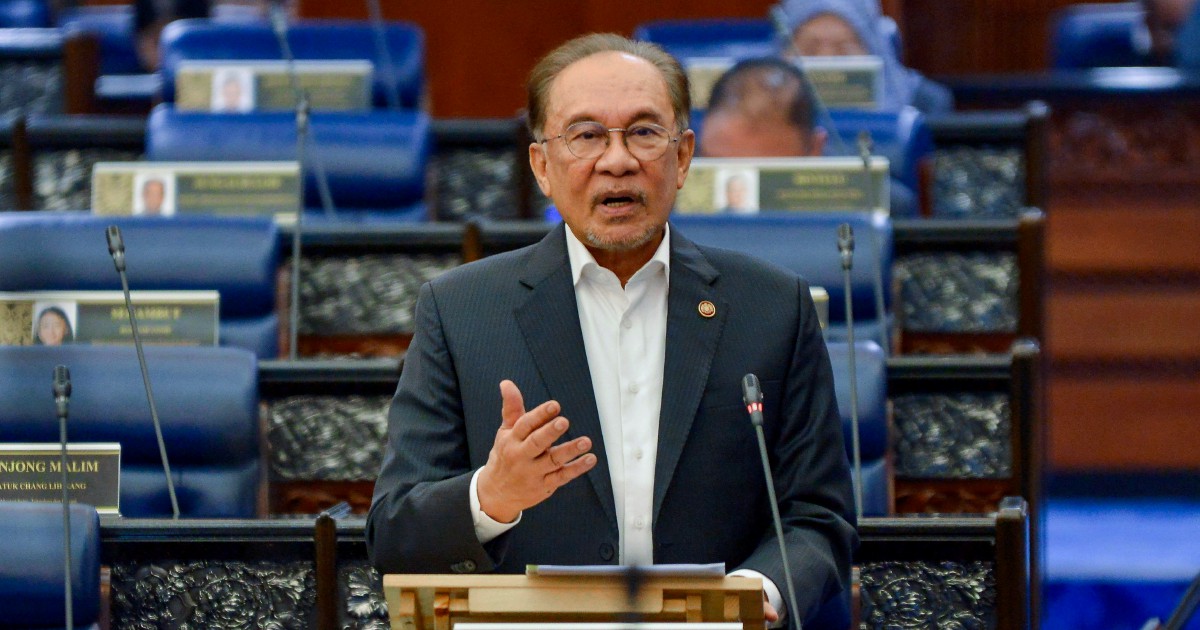
Malaysia faces a significant fiscal challenge in funding its retirement obligations, with the Retirement Fund Incorporated (KWAP) unable to generate sufficient investment returns to cover the government's mounting pension commitments. Prime Minister Datuk Seri Anwar Ibrahim highlighted this structural imbalance, noting that KWAP's RM12.9 billion in investment earnings fall substantially short of the nearly RM45 billion required annually to meet pension obligations to retired civil servants and government employees.
The widening gap between KWAP's investment performance and the country's pension liabilities underscores a growing fiscal pressure that Malaysia must confront as its public sector workforce ages. With pension payouts representing an increasingly significant portion of government expenditure, this shortfall forces the federal budget to absorb the difference each year, diverting resources from other development priorities including infrastructure, education, and healthcare initiatives. The situation reflects a broader demographic trend affecting many developed and developing nations, where ageing populations combined with relatively generous defined-benefit pension systems create unsustainable long-term obligations.
KWAP, which manages retirement benefits for Malaysia's civil service, is tasked with maximizing investment returns on accumulated pension reserves. The fund's RM12.9 billion earnings demonstrate reasonable investment performance, yet the mathematics of pension funding reveal the fundamental challenge: annual obligations nearly four times exceeding annual investment returns creates an unsustainable trajectory. This disparity requires ongoing government subsidies that burden the national coffers and raise questions about the long-term viability of the current pension framework without significant structural reforms.
The Prime Minister's acknowledgment of this fiscal reality signals potential openness to addressing the pension sustainability question, an issue that has been discussed in policy circles but remains politically sensitive given its implications for government employees and retirees. Malaysia's civil service pension scheme is among the more generous in the Southeast Asian region, offering defined benefits that guarantee retirement income based on salary history and years of service. While this provides security for retirees, it creates rigid liability structures that prove difficult to adjust without affecting existing beneficiaries or current public sector workers.
Several factors contribute to the widening pension-to-earnings gap. Life expectancy improvements mean pensioners receive benefits for longer periods than originally anticipated when existing pension structures were designed. The steady growth of Malaysia's civil service workforce over past decades means more individuals are now reaching retirement age simultaneously, creating a concentration of pension liabilities. Additionally, salary growth for government employees and periodic adjustments to pension rates have increased the average benefit amount, compounding the overall funding requirement.
International comparisons provide perspective on Malaysia's pension challenge. Many countries have reformed their public sector pension systems by transitioning from defined-benefit to defined-contribution models, allowing employers and employees to share longevity risk more equitably. Some nations have raised retirement ages gradually, extended contribution periods, or adjusted benefit formulas to account for longer retirement periods. However, implementing such changes requires careful navigation of political opposition from affected employees and retirees who view existing benefits as earned entitlements.
The KWAP situation has particular relevance for Southeast Asia, where several countries share similar demographic trends and generous public sector pension commitments. Thailand, Indonesia, and the Philippines all grapple with pension sustainability questions as their populations age and government revenue growth lags benefit obligations. Malaysia's experience and policy responses may influence regional discussions about balancing retirement security with fiscal sustainability.
Government contingency funding for pension shortfalls creates ripple effects throughout Malaysia's fiscal framework. Each ringgit used to cover the pension gap is unavailable for capital expenditures, debt servicing, or new policy initiatives. Over multi-year periods, these cumulative transfers significantly impact the government's fiscal flexibility and its ability to address emerging economic challenges or invest in future growth drivers. The pension liability essentially acts as a declining-balance claim on future government revenue, with the obligation amount determined by demographic factors largely beyond policy control.
Possible reform pathways for addressing pension sustainability typically involve some combination of benefit adjustments, contribution increases, or retirement age modifications. Gradual implementation timelines can reduce shock effects, while transitional arrangements can protect current retirees and near-retirees. Some proposals involve hybrid approaches combining elements of defined-benefit and defined-contribution schemes, allowing for risk-sharing between employers and employees. Another avenue involves accelerating KWAP's investment returns through strategic asset allocation adjustments, though this approach carries inherent market risks and depends on broader economic conditions.
The Prime Minister's public statement about the pension funding gap suggests the government recognizes the issue's urgency and scale. However, converting acknowledgment into policy action requires building consensus among multiple stakeholders with competing interests: current retirees seeking benefit security, active public sector workers concerned about future entitlements, civil service employee unions protective of contractual arrangements, and taxpayers bearing the overall fiscal burden. The political difficulty of pension reform in Malaysia mirrors challenges faced by governments worldwide when confronting similar structural imbalances.
Looking forward, the sustainability question will likely dominate public sector compensation discussions. Malaysia must develop a comprehensive reform strategy that balances fairness to existing stakeholders with the fiscal reality that current arrangements are unsustainable indefinitely. International experience suggests that early action produces better outcomes than delayed reforms implemented under crisis conditions. KWAP's investment performance, while respectable, has clarified that investment returns alone cannot resolve the underlying funding imbalance, making policy intervention inevitable for ensuring both government fiscal health and pensioner income security over the coming decades.

