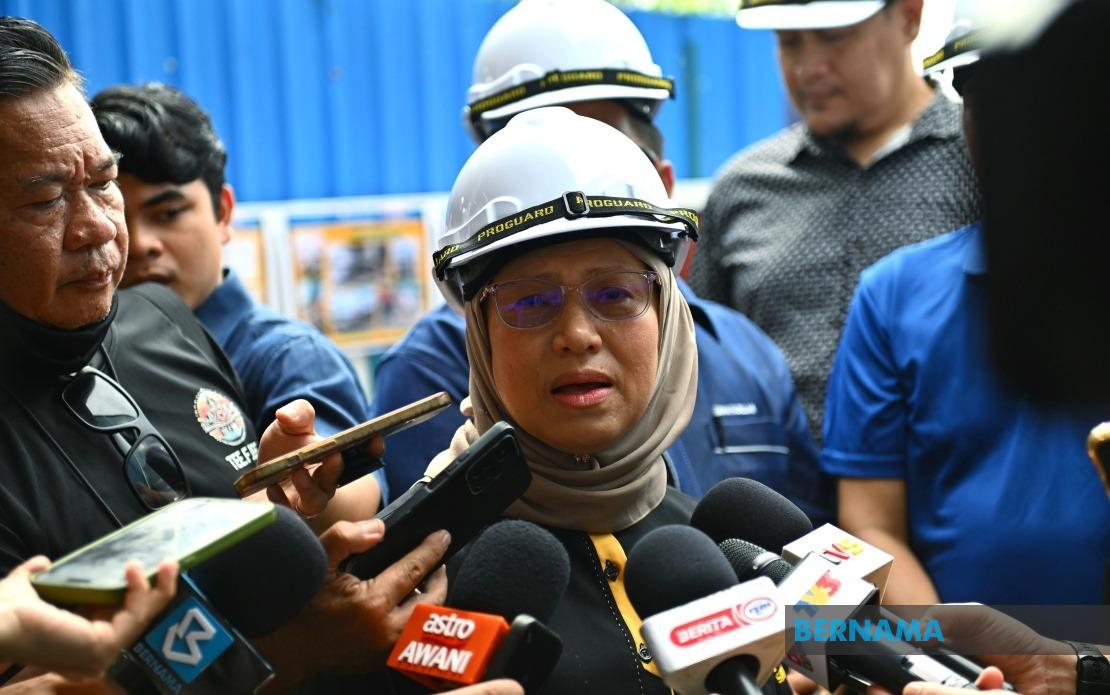
Responding to mounting concerns over child welfare standards, Malaysia's Social Welfare Department has directed a Langkawi kindergarten to suspend operations immediately pending completion of a police investigation into allegations of child neglect and inappropriate treatment of students. The directive signals heightened scrutiny of early childhood care facilities across the country and underscores growing concerns about oversight mechanisms protecting vulnerable young learners in private educational settings.
Women, Family and Community Development Minister Datuk Seri Nancy Shukri confirmed the closure order while emphasizing the collaborative approach being taken across multiple government agencies. Although the kindergarten falls under Education Ministry jurisdiction, the Social Welfare Department maintains responsibility for child protection matters and is actively coordinating with police and district education authorities to ensure comprehensive investigation. This multi-agency response reflects recognition that adequate child safeguarding requires coordinated action beyond single-ministry oversight.
The investigation centres on allegations filed by a former kindergarten teacher and is proceeding under Section 31(1) of the Child Act 2001, which addresses child abuse and neglect. According to Langkawi district police chief ACP Khairul Azhar Nuruddin, preliminary claims include children being forced to sleep on bare floors without mattresses and being confined to toilet facilities—allegations that have triggered urgent intervention from welfare authorities. Investigators are methodically verifying these accounts through examination of closed-circuit television footage and witness testimony to establish the factual basis for the charges.
Minister Shukri emphasized that the kindergarten operator has been formally cautioned regarding standards of child care, safety, and welfare, with explicit reminders to comply with all applicable regulations. The warning signals that authorities are prepared to escalate enforcement action should violations be substantiated. Malaysian parents entrust early childhood facilities with their children during crucial developmental years, and any failure to maintain basic care standards represents a fundamental breach of that trust that warrants decisive regulatory response.
For Malaysian families, particularly those in tourist-dependent areas like Langkawi where both local and expatriate parents utilize kindergarten services, this incident highlights the necessity of exercising due diligence when selecting educational facilities. Parents are advised to inquire about staff qualifications, facility conditions, supervision protocols, and complaint mechanisms before enrolment. The Social Welfare Department's involvement signals that parents concerned about their children's treatment should immediately report suspected abuse to authorities rather than relying solely on direct communication with facility operators.
The role of the Social Welfare Department through its child protection officers in this investigation underscores an emerging emphasis on proactive oversight rather than reactive response. By collaborating with both police and the District Education Office to gather comprehensive documentation, authorities are constructing a thorough evidentiary record that can support both criminal proceedings and administrative enforcement action. This coordinated approach recognizes that effective child protection requires information-sharing across law enforcement, social services, and educational authorities.
The case also raises broader questions about kindergarten regulation frameworks across Malaysia's states. While federal legislation provides the legal foundation for prosecution, enforcement capacity and inspection frequency vary significantly across jurisdictions. Langkawi, as a major tourist destination with transient populations, may face particular challenges in maintaining consistent oversight of childcare facilities. The current investigation should prompt policymakers to evaluate whether inspection and compliance protocols are adequately resourced to identify welfare concerns before they escalate to the point of formal complaints by staff members.
Parents withdrawing children from the facility during the closure period face immediate practical disruptions to childcare arrangements and household schedules. The temporary suspension, while necessary for investigative purposes, highlights the fragility of early childhood education provision in areas dependent on private provision rather than comprehensive public kindergarten networks. Families unable to arrange alternative care may face employment complications, particularly among single parents or those with inflexible work schedules.
Minister Shukri's assurance that appropriate legal action will follow if violations are confirmed reflects official acknowledgment that administrative warnings alone are insufficient where child safety is compromised. The investigation's severity and multi-agency scope suggest that authorities are prepared to pursue prosecution if evidence substantiates the allegations. Such enforcement sends a critical message to other childcare operators that regulatory compliance is mandatory rather than aspirational, and that documented failure to maintain standards will attract significant consequences.
The investigation timeline and eventual findings will likely influence broader policy discussions regarding kindergarten licensing requirements, inspection frequency, staff qualification standards, and complaint mechanisms throughout Malaysia. Families in other states should view this incident not as an isolated case but as a reminder to remain vigilant regarding their children's welfare in any educational setting. The willingness of a former teacher to report suspected abuse, despite potential professional consequences, demonstrates the importance of creating institutional cultures where staff feel empowered to prioritize child protection over workplace loyalty or facility reputation.

