A Lao court has prosecuted the owner of a distillery in connection with six foreign tourist fatalities stemming from contaminated alcohol consumed at a hostel in the popular backpacker destination of Vang Vieng last November, Denmark's foreign ministry revealed on Friday. The charges—selling harmful foodstuffs and conducting illegal business operations—carry potential penalties of three months to four years imprisonment and fines upon conviction. However, the charges have sparked considerable diplomatic tension, with multiple governments expressing disappointment that authorities pursued only minor offences rather than more serious criminal allegations.
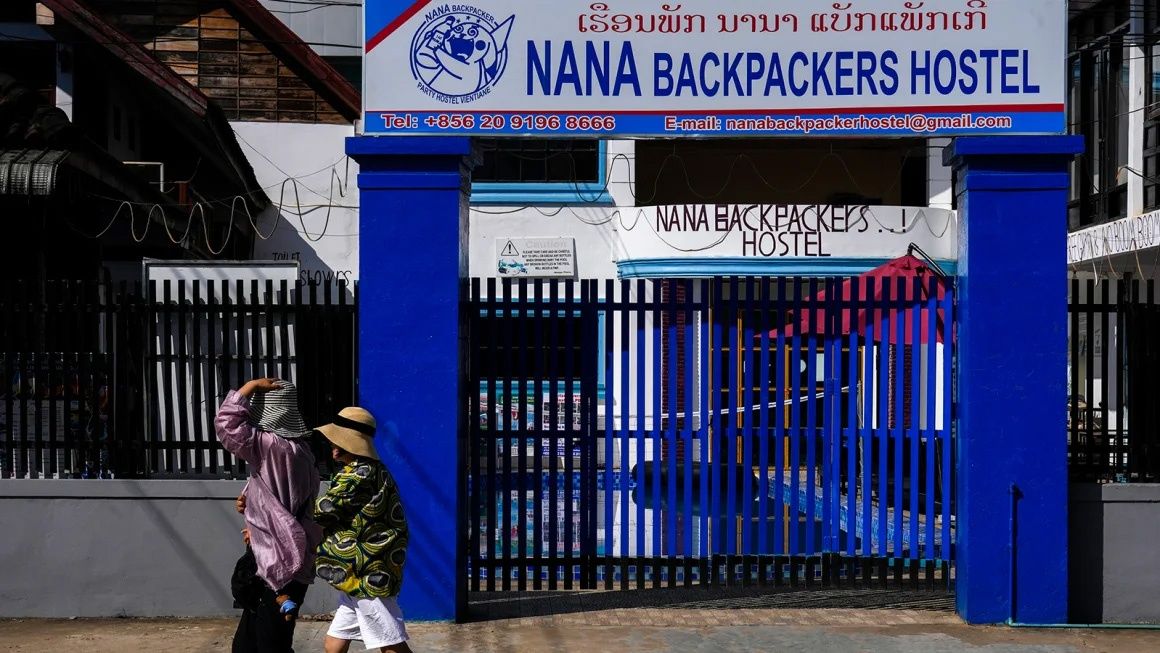
Among the deceased were two young Danish nationals, Anne-Sofie Orkild Coyman, aged 20, and Freja Vennervald Sorensen, aged 21. The other victims included Australian teenagers Bianca Jones and Holly Morton-Bowles, both 19; British solicitor Simone White, 28; and James Louis Hutson, a 57-year-old American. All six were guests at the Nana Backpacker Hostel, where they consumed complimentary shots of locally distilled vodka before venturing to other entertainment venues. When the Australian pair failed to emerge from their accommodation on the scheduled checkout date, staff discovered them gravely unwell and arranged urgent evacuation to medical facilities across the border in Thailand, where both subsequently succumbed to methanol toxicity.
Laos's Foreign Ministry indicated through its announcement that the case will remain formally active for fifteen years, leaving scope for authorities to escalate charges to more severe categories—including negligent homicide—should sufficient evidence materialise. The Lao statement, however, contained no clarification regarding whether the current charges encompass culpability for all six deaths or only a subset thereof. This ambiguity has intensified frustration among bereaved families and their governments, who anticipated more robust prosecutorial action given the gravity of the tragedy.
Denmark's Foreign Minister Lars Løkke Rasmussen articulated profound disappointment with the indictment, characterising it as disproportionate to the incident's severity and its devastating impact on multiple families. While acknowledging the evidentiary challenges inherent in establishing liability for the most culpable offences, Rasmussen stressed the inadequacy of what appeared to be an excessively lenient proceeding. Copenhagen has pledged to collaborate with affected relatives and co-concerned nations to deliberate potential next steps and explore avenues for pursuing justice with greater rigour.
Australia's response proved equally forceful. Foreign Minister Penny Wong declared herself "deeply frustrated and bitterly disappointed" that Vientiane had not pursued the gravest available charges. Prime Minister Anthony Albanese dispatched an official envoy to the Lao capital to formally object and reiterate Australia's expectation for a more thorough investigation yielding meaningful accountability. In a notably strong diplomatic gesture, Canberra summoned Laos's ambassador to Australia to underscore the severity of official displeasure.
Shawn Bowles, father of deceased Australian teenager Holly Morton-Bowles, characterised the prosecutorial approach as "mind-boggling," emphasising that Laos markets itself globally as a premier tourist destination attracting throngs of young holidaymakers. He cautioned that the perceived inadequacy of the legal response and the apparent disregard for visitor safety would deter prospective travellers from venturing to the nation. Such remarks carry particular weight given Laos's heavy reliance on tourism revenue—Vang Vieng especially has cultivated a reputation as a backpacker hub renowned for revelry and extreme sports, drawing young adventurers from across the globe.
Michelle Jones, mother of the deceased Australian Bianca Jones, conveyed the family's anguish in similarly stark language. "It's like their lives didn't even matter," she stated during a public address, describing her grief over her daughter's death during what ought to have been an ordinary coming-of-age experience. The family's bewilderment and pain underscore the profound human cost that bureaucratic proceedings cannot adequately capture or remedy.
The specifics of how methanol contamination occurred remain partially obscured. Investigations revealed that guests at the Nana Backpacker Hostel had consumed complimentary spirits before dispersing to other establishments. Methanol—a substance distinct from potable ethanol—causes severe poisoning and can prove rapidly fatal. It sometimes appears in unscrupulous establishments as an economical adulterant in mixed beverages, though it also emerges as a byproduct of crude home distillation where fermentation and separation processes prove inadequate. The contamination may have been deliberate cost-cutting or an unfortunate consequence of poor production standards.
The Vennervald Sørensen family's experience illustrates additional deficiencies in Laos's investigative procedures. The Danish teenager's parents disclosed that no autopsy was conducted following her death, with the official death certificate ascribing her demise to cardiac arrest—a diagnosis that obscured rather than elucidated methanol's lethal role. This lack of forensic rigour, coupled with minimal communication from authorities, has compounded family trauma. The parents expressed determination to elevate global awareness of methanol poisoning hazards, particularly among young travellers who may underestimate such dangers.
Methanol poisoning constitutes a transnational public health challenge extending beyond tourist contexts. Doctors Without Borders data indicates Indonesia, India, and Russia report the highest incidence rates of suspected cases, predominantly affecting economically disadvantaged residents in regions where illicit or home-produced spirits dominate consumption patterns. The hazard disproportionately impacts populations lacking access to regulated alcoholic beverages. The Vang Vieng incident, while exceptionally tragic for its concentration of foreign nationals, reflects broader vulnerabilities affecting millions globally who lack safeguards against adulterated liquor.
Laos, a one-party communist state maintaining stringent information controls, provided minimal transparency regarding the prosecution. The Ministry of Public Security announced charges exclusively through a news conference restricted to local media and embassies of affected nations—a posture consistent with Vientiane's characteristically opaque governance model. The Associated Press's request for observation access was denied, underscoring the limited accountability mechanisms available for independent international scrutiny. This institutional opacity, combined with the apparent leniency of charges, has intensified perceptions that Lao authorities prioritise reputational management over justice.
The ramifications of this episode extend beyond the immediate tragedy. For Malaysia and neighbouring Southeast Asian countries, the incident illuminates vulnerabilities in tourist safety ecosystems and the consequences when prosecutorial systems appear insufficiently robust to address culpability proportionately. Backpacker tourism remains economically significant across the region, yet incidents like Vang Vieng raise uncomfortable questions about regulatory oversight, alcohol contamination prevention, and the adequacy of legal remedies when negligence or misconduct imperils foreign visitors. Malaysia's tourism authorities and public health regulators may benefit from reviewing existing safeguards and enforcement protocols to prevent comparable incidents.

