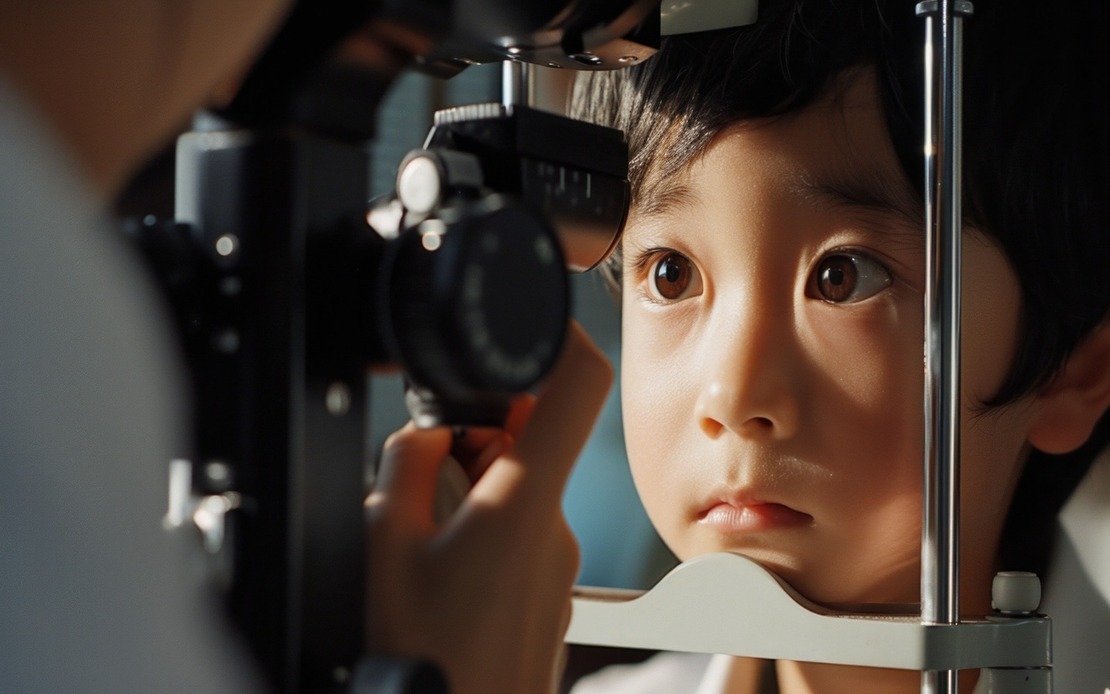
Timely detection of eye disorders remains one of the most overlooked aspects of preventive healthcare in Malaysia, even as simple vision screenings can spare patients from decades of compromised sight. Dr Fazilawati A Qamarruddin, a consultant ophthalmologist specialising in paediatric eye conditions at Sunway Medical Centre in Sunway City, recently highlighted how squinting and cataracts—two of the nation's most prevalent yet frequently undiagnosed visual problems—demand urgent public attention to protect citizens across their entire lifespan.
Strabismus, the medical term for eye misalignment, occurs when the eyes point in different directions simultaneously, disrupting the brain's ability to process visual information correctly. The condition extends far beyond cosmetic concerns, interfering with depth perception, learning capacity, and the psychological confidence children require for normal social development. While some cases stem from straightforward refractive errors—conditions treatable with corrective lenses—others signal underlying neurological complications, past trauma, or in rare instances, benign or malignant growths within the brain or eye sockets. When strabismus emerges suddenly in adulthood accompanied by double vision, it demands immediate medical evaluation to exclude serious pathology.
The prevalence of this condition surprises many Malaysians unaware of its scope. Global epidemiological research indicates that between two and four percent of children experience strabismus, a figure that translates into thousands of affected Malaysian youngsters who remain unidentified because symptoms escape parental notice or because families postpone professional evaluation. The consequences of this delay prove significant: untreated misalignment frequently precipitates amblyopia, colloquially termed lazy eye, whereby the brain systematically suppresses signals from the weaker eye and strengthens its reliance on the dominant one, ultimately resulting in permanent vision loss in the neglected eye.
Dr Fazilawati advocates implementing standardised vision screening protocols before children reach three years of age and again prior to primary school entry, capturing the critical window during which intervention remains most effective. Parents observing telltale warning signs—persistent head tilting, frequent squinting, excessive proximity to television screens, or recurring headaches—should initiate comprehensive eye examinations immediately rather than awaiting alerts from educational institutions. The distinction between early intervention and delayed diagnosis often separates the simplicity of corrective eyewear from irreversible visual disability extending throughout a patient's lifetime.
Cataracts represent the second major eye condition commanding clinical attention, particularly among Malaysia's expanding elderly population. Although advancing age remains the primary risk factor, affecting individuals beyond sixty years, premature cataract development occurs with elevated frequency among diabetics, active smokers, and those with significant cumulative sun exposure. The condition manifests through progressive cloudiness of vision, heightened sensitivity to glare, muted colour perception, and dangerous nocturnal driving difficulties as the natural lens opacity intensifies.
Modern surgical approaches have transformed cataract management from a procedure patients dreaded to one delivering rapid recovery and exceptional outcomes. Phacoemulsification, the contemporary gold standard technique, employs ultrasonic energy to fragment the clouded lens through a microscopically small incision, thereby minimising tissue trauma and accelerating healing. Most cataract procedures now qualify as same-day outpatient surgery, permitting patients to resume routine activities within one week and achieve complete visual rehabilitation within two weeks—a remarkable contrast to the prolonged recovery periods of previous surgical generations. The accessibility and safety profile of these procedures means that vision loss from cataracts should virtually never occur in populations with adequate healthcare access.
Beyond these established conditions, Malaysia faces an emergent eye health crisis centred on digital screen exposure among children and adolescents. Accumulating evidence suggests that excessive screen time exacerbates myopia progression, contributing substantially to the rising prevalence of short-sightedness in younger demographics. Dr Fazilawati advocates adopting the 20-20-20 rule—directing one's gaze toward objects approximately twenty feet distant for twenty seconds following every twenty minutes of continuous screen engagement—as a practical intervention minimising ocular strain and potentially moderating refractive deterioration.
Systematic screening protocols differentiated by age prove essential for comprehensive population eye health. Adults should commence regular ophthalmological examinations from age forty, establishing baseline measurements and detecting early pathology before significant vision loss occurs. School-age children require pre-enrolment vision assessment to identify refractive errors, ocular misalignment, and other obstacles to educational achievement. Individuals with diabetes demand annual eye screening protocols because diabetic retinopathy—the leading cause of vision loss in working-age adults—progresses silently until substantial irreversible damage occurs, yet responds favourably to prompt detection and modern therapeutic interventions.
The philosophical framework underlying these recommendations centres on the profound personal and societal consequences of preventable vision loss. Undetected eye conditions during childhood compromise educational potential, restrict occupational prospects, and diminish psychological wellbeing through social isolation. Among seniors, vision impairment accelerates cognitive decline, increases fall risk and injury rates, and fundamentally undermines independence and quality of life. Conversely, early detection and appropriate intervention—whether through spectacle correction, surgical procedures, or medical management—preserves visual function across decades and preserves autonomy, dignity, and engagement with family and community.
Malaysians must recognise that eye health constitutes an integral component of comprehensive healthcare deserving equivalent priority to cardiovascular, respiratory, and metabolic conditions. The accessibility of modern diagnostic and therapeutic options means that vision loss represents an increasingly preventable tragedy rather than an inevitable consequence of ageing or genetic predisposition. Dr Fazilawati's emphasis on proactive screening across all age groups reflects an evidence-based approach that transforms ophthalmology from a reactive discipline treating advanced disease into a preventive enterprise preserving sight throughout the human lifespan. Public health authorities, educational institutions, and individual families must collectively embrace vision screening as a foundational element of health maintenance, ensuring that every Malaysian—regardless of age—enjoys the opportunity for lifelong clear sight and visual independence.

