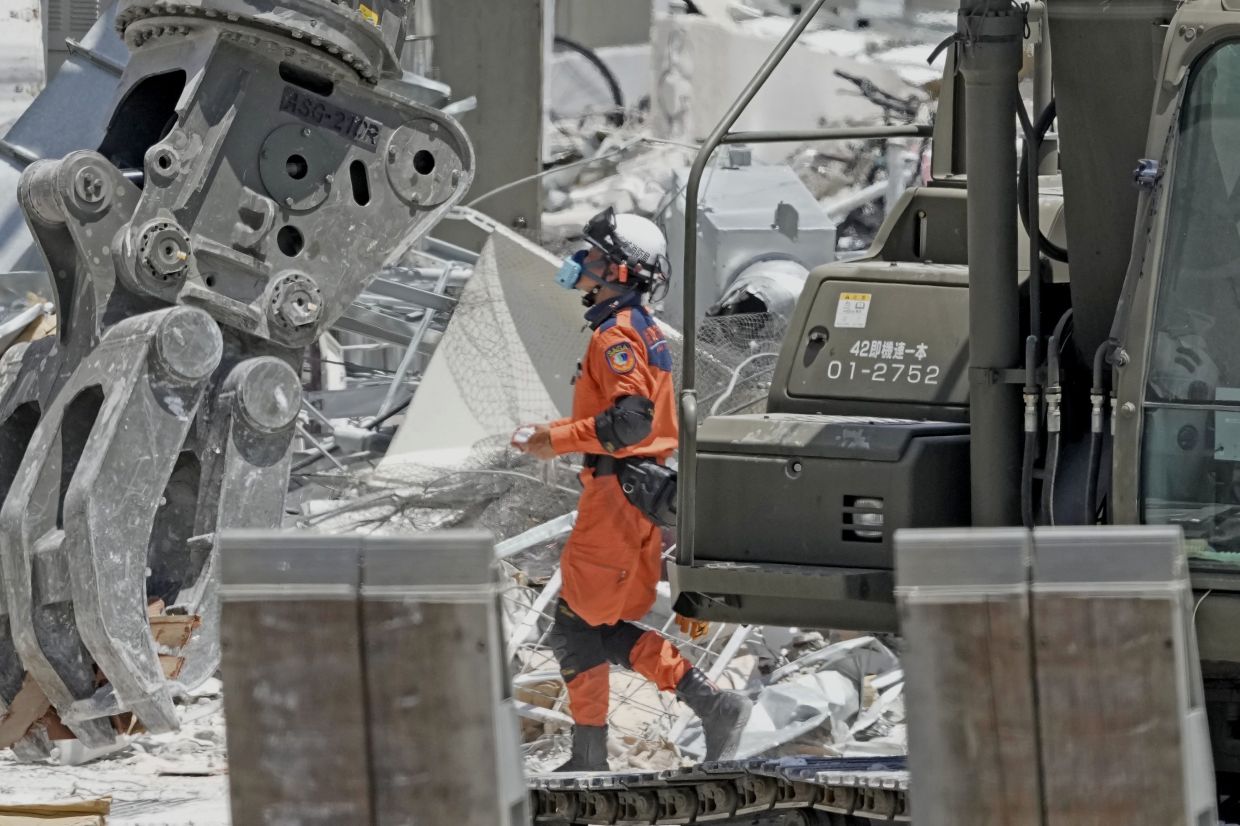
Japan's Economy, Trade and Industry Ministry has concluded that a liquefied petroleum gas leak was the probable cause of a catastrophic explosion that tore through Aeon Mall Kumamoto on July 28, roughly eighty minutes following a significant earthquake that struck the prefecture. The blast, which claimed three lives among the mall's workforce, devastated the central section of the shopping complex's second floor on its southern end. Investigators have determined that LPG, a fuel source integral to the mall's daily operations, accumulated in dangerous concentrations within the building before igniting with lethal force.
The shopping mall relied extensively on liquefied petroleum gas for routine commercial purposes across multiple tenants and facilities. Restaurants positioned on the north side of the first floor utilised LPG for food preparation, whilst the second-floor food court on the eastern side depended on the same fuel source for cooking operations. Beyond catering establishments, the gas also powered the mall's air conditioning systems, making it a central utility supporting the complex's climate control infrastructure. This widespread reliance on LPG distribution throughout the building created an intricate network of delivery pipes running horizontally and vertically through floors and internal walls to supply numerous endpoint users.
The mall maintained a substantial storage facility containing 9,367 kilograms of liquefied petroleum gas on its premises. This reservoir fed into the complex's interior through an underground pipeline system that subsequently branched into a web of distribution conduits threading through the structure. The Economy Ministry's investigation revealed that whilst the storage tank retained a normal quantity of gas—suggesting the reservoir itself had not ruptured—residual LPG remaining within the delivery pipes may have escaped, accumulating within confined spaces throughout the mall. This trapped gas, left undispersed in the building's interior, likely reached explosive concentrations that ignited catastrophically at approximately 5:50 PM on July 28.
The timing of the explosion proved particularly significant, occurring roughly eighty minutes after the earthquake had shaken the region. This temporal gap suggests the initial seismic event may have damaged pipe infrastructure without immediately triggering ignition. The ground movement could have fractured connections or created micro-ruptures in the delivery system, allowing pressurised gas to leak gradually into the mall's enclosed spaces. During subsequent search operations, Kumamoto prefectural police and fire authorities detected the distinctive odour of gas lingering inside the building, corroborating the leak hypothesis and providing physical evidence supporting the ministry's assessment.
The investigation into the precise origins of the pipeline failure remains ongoing, with authorities carefully examining how earthquake damage may have compromised the infrastructure. Japan frequently experiences seismic activity, and building safety protocols typically account for earthquake resilience. However, the interaction between sudden ground movement and the pressurised gas distribution system appears to have created an unforeseen hazard in this instance. Engineers are reviewing whether existing safety mechanisms failed adequately to contain the gas or whether the earthquake's intensity exceeded design parameters for this particular facility.
The Aeon Mall incident underscores the complex interdependencies between utility systems and building safety in large commercial complexes. Shopping malls throughout Japan and the broader Asia-Pacific region often depend on LPG for distributed cooking and heating applications, particularly in food courts and restaurant zones where centralised piping proves economical. The Kumamoto explosion demonstrates that even apparently routine infrastructure can become catastrophically dangerous when disrupted by natural disasters. For Malaysian and Southeast Asian facility managers operating similar properties, the incident highlights the necessity of rigorous post-earthquake safety inspections focusing specifically on utility systems.
The three fatalities at Aeon Mall Kumamoto represent a tragic loss within the retail sector. Store employees conducting routine business duties at the time of the explosion had no warning and little opportunity to evacuate before the blast devastated their immediate vicinity. The explosion's concentration on the central second-floor area, where the food court operates, suggests the accumulated gas had collected in zones of highest commercial activity, where occupancy levels would normally be substantial.
Japan's regulatory framework governing LPG distribution in commercial facilities may face scrutiny following this incident. The Economy, Trade and Industry Ministry's investigation will likely inform recommendations for enhanced safety protocols, particularly regarding earthquake preparedness for gas distribution systems. Building codes and maintenance procedures may be revised to mandate more frequent inspections of underground and internal piping, with special attention to vulnerable connection points susceptible to seismic damage.
For the broader region, the Kumamoto incident serves as a cautionary reminder that secondary hazards often emerge from earthquakes beyond immediate structural collapse. In Malaysia and other Southeast Asian nations with developing earthquake risks, facility operators managing large commercial complexes should consider their own utility infrastructure vulnerabilities. Whilst the region faces lower seismic activity than Japan, the integration of gas-based systems into modern shopping malls means similar accident scenarios remain theoretically possible under extreme conditions.

