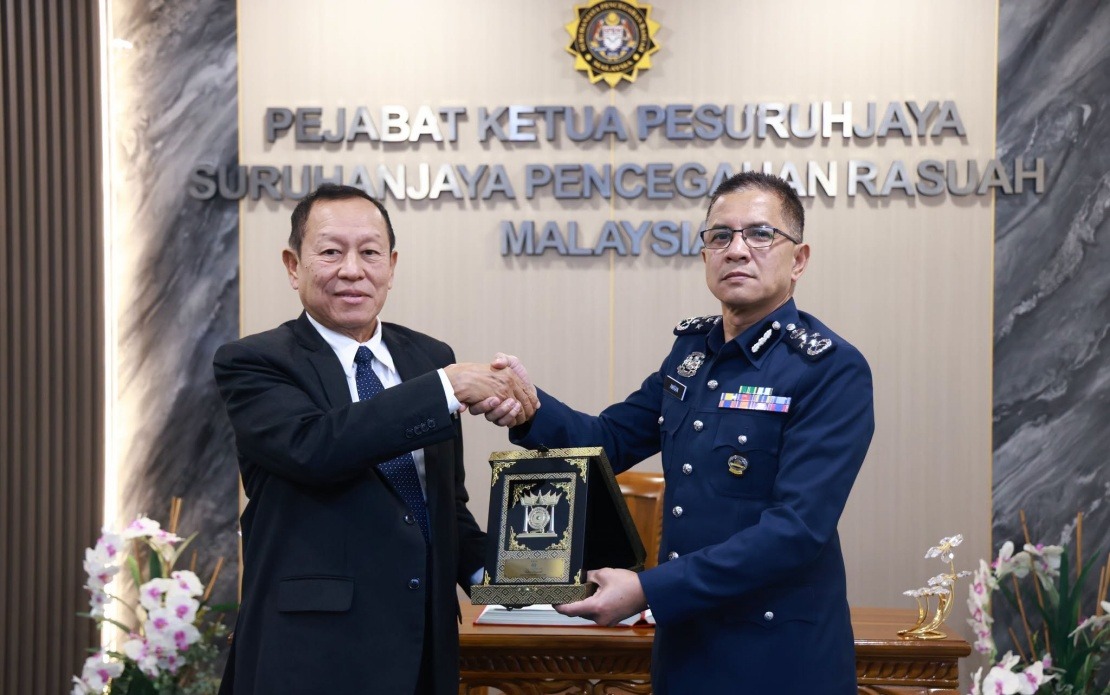
The Malaysian Anti-Corruption Commission (MACC) and the Royal Malaysian Customs Department (JKDM) are moving forward with plans to create a dedicated task force aimed at tightening supervision of enforcement activities and tax collection mechanisms across the nation's critical maritime ports. The initiative emerged during a strategic engagement at MACC headquarters in Putrajaya on July 15, when JKDM director-general Datuk Amran Ahmad met with MACC chief commissioner Datuk Seri Abd Halim Aman to discuss ways of bolstering inter-agency cooperation.
The collaborative effort reflects growing recognition among enforcement agencies that port operations require enhanced monitoring to combat the multifaceted challenges facing Malaysia's customs and revenue systems. During their one-hour meeting, both organisations identified shared concerns regarding smuggling networks, tax evasion schemes, and procedural vulnerabilities that undermine government revenue. The dialogue addressed not only technical aspects of customs inspections but also the bureaucratic obstacles that can inadvertently create loopholes exploited by smugglers and tax evaders.
A central focus of the discussions involved container management systems and the mechanisms through which contraband enters the country. Datuk Amran highlighted JKDM's responsibilities in overseeing port operations nationwide, emphasising the need for coordinated action to minimise revenue leakage from improper handling of containerised goods. This concern resonates throughout Southeast Asia, where ports serve as critical nodes in regional trade networks and potential entry points for illicit goods ranging from narcotics to counterfeit products.
The JKDM delegation detailed several sophisticated tactics that criminal syndicates have employed to circumvent tax obligations and import regulations. These operations include the submission of falsified documentation, deliberate misclassification of goods, and the creation of fraudulent approval certificates designed to confuse enforcement personnel and facilitate the movement of prohibited or under-taxed commodities through port facilities. Such schemes represent a significant drain on government revenue and undermine legitimate traders operating within regulatory frameworks.
Particularly concerning to customs authorities is a recently identified modus operandi involving the false declaration of currency movements. Datuk Amran explained that syndicate members have been bringing substantial sums of cash into Malaysia while deliberately declaring far lower amounts than actually imported, a practice that raises questions about money laundering and the potential financing of illicit activities. This specific vulnerability highlights gaps in cash monitoring systems that require urgent attention from both customs and anti-corruption agencies.
The proposed task force represents an institutional response to these enforcement challenges by pooling expertise and investigative resources from both organisations. MACC's investigative capabilities and anti-corruption focus complement JKDM's technical knowledge of customs procedures and port operations. By formalising this cooperation through a dedicated task force, the agencies aim to create a more cohesive enforcement environment capable of detecting and disrupting criminal networks operating within the maritime sector.
Beyond enforcement operations, the meeting served as a platform for broader discussions about institutional integrity. Datuk Amran emphasised that JKDM welcomes MACC's contribution in promoting ethical standards among customs personnel through anti-corruption awareness programmes and integrity training initiatives. This dimension recognises that effective enforcement requires not only better systems and procedures but also personnel who are resistant to corruption and committed to upholding public interest over personal gain.
The attendance of MACC Investigation Division senior director Datuk Mohd Hafaz Nazar and JKDM Integrity branch head Azian Umar underscores the seriousness with which both organisations are approaching this collaboration. These senior officials represent the investigative and integrity functions respectively, suggesting that the task force will operate at a level capable of conducting substantive inquiries and implementing institutional reforms.
For Malaysian importers and exporters, the task force initiative carries implications for compliance requirements and operational procedures at ports. Legitimate businesses may experience enhanced scrutiny as enforcement personnel become better coordinated and more alert to smuggling indicators. However, the measure should also reduce opportunities for competitors to gain unfair advantages through tax evasion or contraband smuggling, thereby creating a more level playing field for ethical operators.
Regionally, Malaysia's approach to strengthening inter-agency cooperation on port enforcement offers a model relevant to other Southeast Asian nations confronting similar challenges. The integration of anti-corruption expertise with customs enforcement recognises that revenue leakage and smuggling often involve corrupt officials, making combined enforcement strategies more effective than siloed approaches.
The strategic partnership also reflects Malaysia's broader commitment to meeting international standards on trade security and revenue administration. As member of regional and global forums addressing illicit trade and customs cooperation, Malaysia's demonstration of enhanced domestic enforcement capacity supports its position as a responsible trading nation and potential regional leader in maritime security standards.
Looking ahead, the success of this task force will likely depend on its ability to translate formal cooperation agreements into operational procedures that law enforcement personnel can consistently implement. Training, resource allocation, and clear communication protocols will determine whether the initiative becomes merely another bureaucratic layer or a genuinely transformative force in Malaysian port enforcement.

