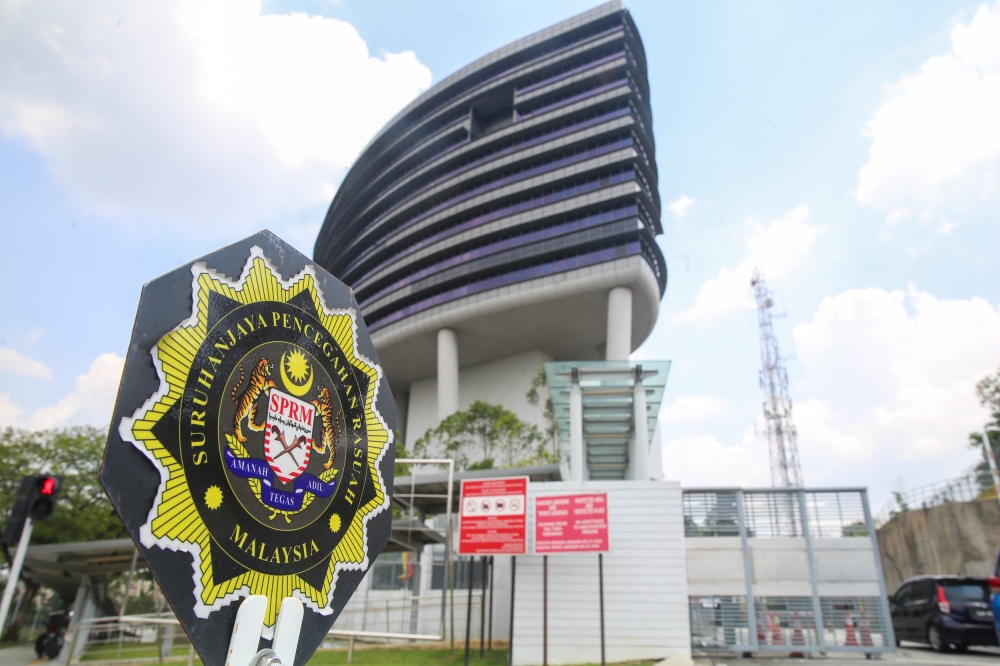
The Malaysian Anti-Corruption Commission has widened its crackdown on suspected illegal activity within the immigration service, announcing the arrest of five additional officers in connection with alleged unauthorised access to the MyIMMs system. The move, made in Putrajaya on August 4, represents a significant escalation in the anti-corruption body's investigation into what appears to be a systematic breach of the national immigration database.
The detained officers are being investigated for their suspected involvement in hacking or unauthorised manipulation of MyIMMs, the primary digital platform through which Malaysia's Immigration Department processes visa applications, travel documents, and other critical border management functions. The MACC's decision to expand arrests beyond an initial wave of detainees suggests investigators have uncovered a larger network of individuals potentially involved in the suspected compromise of the system.
MyIMMs serves as the backbone of Malaysia's immigration infrastructure, handling millions of transactions annually from both domestic and international users. The system's vulnerability to unauthorised access raises serious questions about data security practices and the safeguards protecting sensitive personal information of Malaysian citizens and foreign nationals. Any breach of this magnitude could expose immigration records, travel histories, and identity documents to misuse, with potential implications for national security and individual privacy.
The arrests underscore growing concern within Malaysia's law enforcement establishment about corruption and misconduct within government agencies responsible for border security. Immigration officers occupy positions of considerable authority and trust, wielding power to approve or deny travel, issue documents, and process applications. When individuals in such roles abuse their access to critical systems, they not only betray public confidence but potentially enable human trafficking, money laundering, document fraud, and other organised crimes that thrive on corrupted border controls.
From a broader Southeast Asian perspective, the alleged breach highlights vulnerabilities that plague immigration systems across the region. Many countries in Southeast Asia have undergone rapid digitalisation of border management without corresponding investment in cybersecurity expertise and oversight mechanisms. The incident serves as a cautionary tale for neighbouring nations contemplating similar system upgrades, demonstrating that hardware and software investments alone cannot guarantee security without robust internal controls and investigative capacity.
The MACC's investigation methodology—casting a wide net through multiple arrest waves—suggests a methodical approach aimed at mapping the full scope of suspected misconduct. Investigators appear to be identifying not just frontline officers but potentially supervisory personnel who may have enabled or overlooked irregular access patterns. This tiered approach often proves more effective in uncovering organised schemes than focusing narrowly on individual wrongdoers.
The timing of the arrests, occurring throughout August, indicates the investigation remains active and ongoing. The MACC has not disclosed whether the detained officers face charges of hacking under the Computer Crimes Act, abuse of authority under the Penal Code, or corruption-related offences under the MACC Act. The specific charges will likely reflect the degree of culpability determined for each individual—whether they were active perpetrators, passive enablers, or involved in subsequent cover-ups.
For Malaysian citizens and international visitors, the breach raises practical concerns about the security of personal data submitted through official channels. Immigration applicants typically provide passport numbers, biometric information, employment details, and travel plans through MyIMMs. Unauthorised access to such data could result in identity theft, fraudulent visa applications made in victims' names, or targeted scams exploiting travellers' personal information. The Immigration Department will likely face pressure to offer data protection measures and notification procedures for affected individuals.
The private sector implications also warrant attention. Many Malaysian businesses, particularly those in tourism, logistics, and expatriate recruitment, depend heavily on the Immigration Department's systems for conducting their operations. Uncertainty about MyIMMs' reliability may prompt some organisations to seek alternative verification channels or delay expansion plans pending restoration of public confidence in the system's integrity.
Government agencies across Malaysia will undoubtedly be reviewing their own digital security protocols in light of the investigation. The revelation that immigration officers could allegedly access sensitive systems without proper detection mechanisms suggests that internal audit trails, access logs, and anomaly detection systems may have been inadequate or improperly monitored. Many federal and state agencies operating legacy systems may face similar vulnerabilities.
The political ramifications extend to the Immigration Minister and senior departmental leadership, who will face scrutiny over their oversight of system security and personnel management. Parliamentary questions are likely to follow regarding what safeguards existed before the alleged breach, why suspicious access patterns went undetected, and what remedial measures are being implemented.
As the investigation progresses, the outcomes will establish important precedents for how Malaysia handles cybersecurity breaches involving public sector personnel. Whether convicted officers face substantial prison sentences and financial penalties will influence whether other public servants perceive the risks of system abuse as genuinely prohibitive. The MACC's evident commitment to thorough investigation suggests that Malaysian authorities are taking the matter seriously, though systemic changes to immigration system architecture and oversight will be necessary to prevent recurrence.

