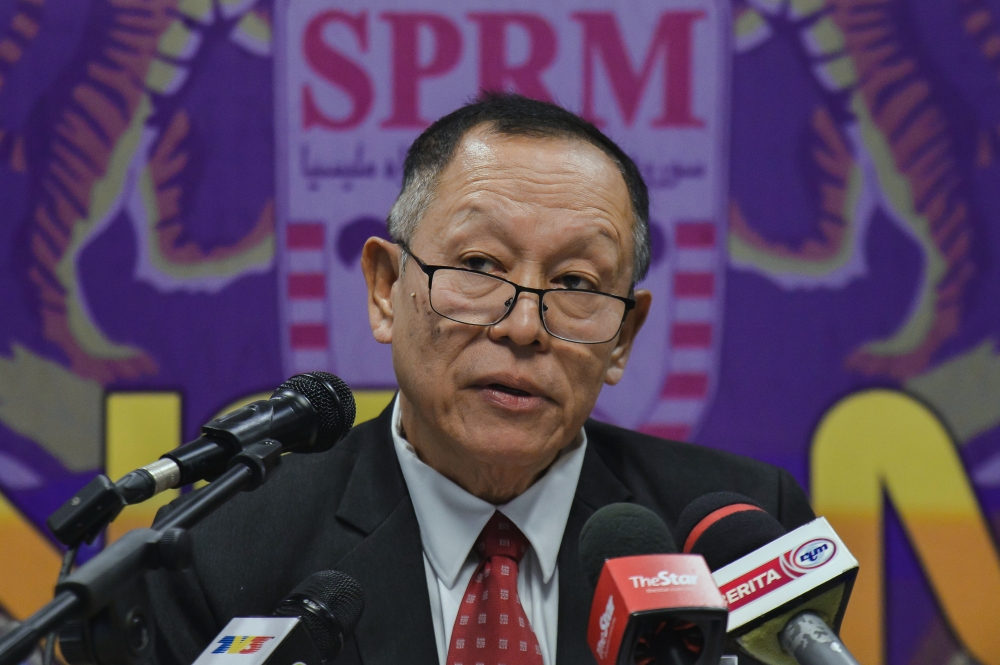
The Malaysian Anti-Corruption Commission has taken into custody the former chief executive officer and chief financial officer of a major plantation company following allegations that they improperly wielded their authority during a RM370 million business transaction. The arrests represent the latest development in a series of corporate investigations that have drawn heightened scrutiny to governance standards within Malaysia's resource-based industries.
The detention of these two executives signals renewed momentum in the MACC's efforts to hold senior corporate leaders accountable for financial irregularities. Plantation enterprises form a significant pillar of Malaysia's agricultural and export economy, with the sector contributing substantially to government revenues and employment across multiple states. The investigation into this particular transaction underscores growing concern about whether adequate checks and balances are being exercised at the highest levels of these organisations.
Allegations of abuse of power within corporate boardrooms carry particular weight in the Malaysian context, where corporate governance standards have been subject to international scrutiny. The RM370 million sum involved in this case represents a transaction of considerable economic importance, suggesting that the suspected misconduct, if substantiated, could have material implications for multiple stakeholders including shareholders, creditors, and employees. The size of the transaction indicates this was not a routine business arrangement but rather a major capital deployment requiring extensive approvals and oversight.
The detention of both the chief executive and chief financial officer simultaneously points to a potentially systemic pattern of oversight failure rather than isolated individual wrongdoing. The CFO position carries specific responsibility for financial controls and regulatory compliance, making allegations against this officer particularly serious from a corporate governance perspective. When both the executive leadership and financial stewardship functions are implicated, investigators typically examine whether there existed adequate separation of duties and whether board committees effectively challenged major transactions.
Plantation companies operate within a heavily regulated framework in Malaysia, with requirements imposed by various government agencies overseeing land use, environmental sustainability, labour standards, and export regulations. Within this regulatory environment, the obligations of company directors to act in good faith and within their legal authority take on heightened importance. Any abuse of executive power could potentially constitute breaches of the Malaysian Companies Act and related corporate governance legislation alongside the anti-corruption provisions being investigated.
The investigation's timing reflects the MACC's broader institutional focus on corporate-level corruption, which has intensified following several high-profile cases in recent years involving major Malaysian corporations and international entities. The commission has progressively expanded its capacity to investigate complex financial transactions and has demonstrated willingness to pursue senior executives regardless of their corporate standing. This trend suggests that corporate boardrooms can no longer assume immunity from anti-corruption enforcement based on institutional prominence or international business relationships.
For the broader Malaysian business community, these arrests carry significant cautionary implications. Directors and executives of publicly traded and privately held companies face increasing pressure to demonstrate robust compliance frameworks and transparent decision-making processes around major transactions. The enforcement action against individuals in senior financial and operational positions reinforces that corporate office does not shield individuals from personal accountability when governance standards are compromised. Professional bodies overseeing accountants, company secretaries, and business directors have correspondingly elevated their guidance on institutional controls and whistleblowing mechanisms.
The plantation sector specifically faces intensifying demands from international investors and sustainability bodies regarding transparency and governance standards. Major consumer brands and institutional investors increasingly apply environmental, social, and governance criteria when evaluating supply chain relationships with Malaysian plantation enterprises. Governance failures identified through domestic criminal investigations can therefore trigger cascading commercial consequences, as international partners reassess their commercial relationships with implicated companies. This creates pressure extending beyond legal penalties to market-based accountability.
Regional observers note that Malaysia's anti-corruption enforcement trends reflect broader Southeast Asian patterns of heightened executive accountability. Neighbouring countries including Indonesia and Thailand have similarly prosecuted senior corporate executives on corruption-related charges. This regional convergence toward stricter corporate accountability may accelerate pressure on Malaysian companies to adopt international best practices in governance, particularly those with cross-border operations or foreign institutional investors. The enforcement action serves as a reminder that corporate scale and sectoral importance no longer insulate leadership from investigation when evidence of misconduct emerges.
The investigation's progression will likely establish important legal precedent regarding what constitutes actionable abuse of power within Malaysian corporate transactions of this magnitude. The RM370 million transaction provides investigators with a substantial paper trail and multiple potential witnesses spanning internal audit functions, board committees, external auditors, and counterparties to the transaction. The detained executives face significant pressure to cooperate with investigators or risk prolonged detention while the case develops.

