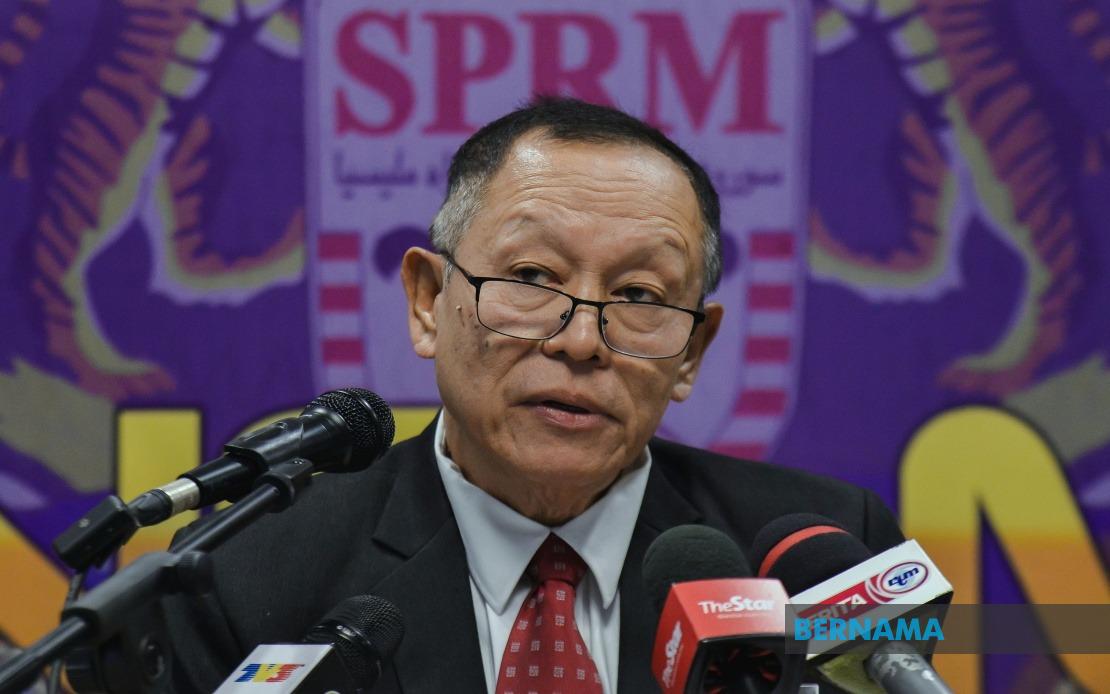
The Malaysian Anti-Corruption Commission has wrapped up its extended questioning of a former chief financial officer implicated in the Royal Commission of Inquiry's findings on Lembaga Tabung Haji, marking a critical phase in the agency's investigation into potential governance failures at the Islamic pilgrimage savings body. MACC chief commissioner Datuk Seri Abd Halim Aman disclosed that the four-day interview cycle concluded on Wednesday, with questioning spanning from 9 am to 6.30 pm on the final day at the commission's headquarters in Putrajaya.
The investigation centres on allegations of power abuse connected to the acquisition of shares in two plantation companies valued at approximately RM370 million. This transaction forms a central element of the Royal Commission's report, which raised serious questions about decision-making processes and financial stewardship at Tabung Haji. The MACC's decision to conduct extended questioning over multiple consecutive days suggests the agency is treating the matter with considerable seriousness, gathering detailed testimony about the circumstances, justifications, and documentation surrounding the controversial investment.
The 60-year-old former CFO was among several senior executives detained at the MACC's premises following their voluntary appearance on Tuesday. The commission's approach of holding individuals for questioning while they cooperate rather than pursuing formal arrests indicates an investigative strategy focused on building a comprehensive evidential record before determining potential charges. The simultaneous questioning of the former chief executive officer alongside the ex-CFO reflects the MACC's view that understanding the transaction requires examining perspectives from multiple levels of institutional leadership.
Tabung Haji's governance and investment decisions have attracted heightened scrutiny in recent years. As Malaysia's largest pilgrimage savings institution, it manages funds entrusted by millions of Muslim Malaysians preparing for the hajj pilgrimage to Mecca. Any potential mismanagement or abuse of authority directly affects the retirement savings and religious aspirations of ordinary Malaysians, making accountability investigations particularly sensitive and significant for public confidence. The RM370 million plantation investment represents a substantial allocation of funds that warrants thorough examination of the approval processes and decision-making rationale.
Royal Commissions of Inquiry are established by the Malaysian government to investigate matters of significant public concern and produce findings and recommendations. When an RCI report identifies potential criminal conduct, such as abuse of power, the MACC typically initiates investigation protocols to determine whether evidence supports formal charges. This sequential process—from RCI investigation to MACC criminal inquiry—represents Malaysia's institutional mechanism for addressing governance failures at state-linked entities. The current Tabung Haji investigation exemplifies how such mechanisms function in practice.
The focus on abuse of power allegations is particularly important in the Malaysian context. Under the Malaysian Anti-Corruption Commission Act, abuse of power by public officials and those in positions of authority at government-linked bodies constitutes an offence. The MACC's investigation appears structured to establish whether relevant decision-makers exceeded their authority, acted contrary to regulations, or prioritised personal or institutional interests above legitimate governance frameworks when approving the plantation share acquisition.
The plantation investment itself raises questions about asset allocation strategy. Tabung Haji's core mandate involves mobilising and managing savings specifically designated for hajj purposes. Questions naturally arise about whether deploying RM370 million into plantation company shares represented an appropriate and prudent deployment of pilgrims' funds, and whether adequate due diligence, independent evaluation, and board oversight accompanied such a significant investment decision. These operational and governance considerations likely form part of the MACC's investigative focus.
The extended four-day interview period reflects the complexity surrounding substantial financial transactions within large institutional structures. Investigators typically require detailed testimony addressing the transaction's genesis, consideration of alternatives, risk assessment processes, approval chains, documentation practices, and the rationale articulated by decision-makers. The length and intensity of questioning suggests the MACC is building a comprehensive chronological and documentary narrative to support subsequent determinations about potential wrongdoing.
For Malaysian investors and pilgrims relying on Tabung Haji, ongoing investigations provide some assurance that institutional accountability mechanisms function when governance concerns emerge. However, such investigations also highlight the importance of robust internal controls, independent oversight, and transparent decision-making processes within state-linked entities managing public funds. The MACC's investigation sends a clear message that individuals holding senior financial positions bear responsibility for ensuring that significant resource allocation decisions comply with legal and regulatory requirements.
Looking forward, the investigation's trajectory depends on evidence gathered during questioning and documentary review. The MACC must determine whether findings support criminal charges or whether the transaction, while potentially questionable from governance perspectives, falls within prosecutable legal violations. The distinction between poor institutional judgment and criminal conduct will be crucial in determining outcomes. The public release of eventual findings will likely generate significant discussion about governance standards expected of state-linked entities and how Malaysian institutions can strengthen safeguards protecting funds entrusted to them by millions of citizens.

