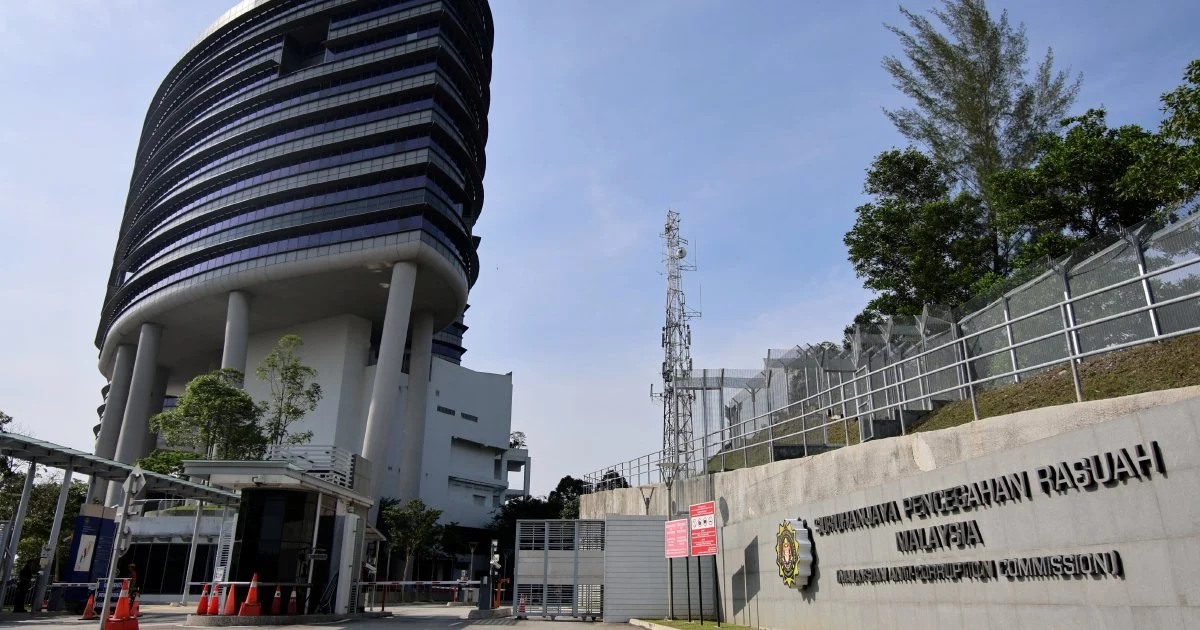
The Malaysian Anti-Corruption Commission (MACC) has mandated that every member of its workforce complete a comprehensive refresh of their personal asset declarations within the next 30 days. This directive represents a deliberate policy move aimed at bolstering the agency's internal controls and reinforcing a culture of accountability among those tasked with investigating corruption across the nation.
The initiative carries particular significance for Malaysia's anti-corruption apparatus. As the primary institutional watchdog overseeing the nation's governance standards, the MACC operates under intense public scrutiny. Any perception of internal misconduct or incomplete financial disclosures could undermine the agency's credibility when prosecuting high-profile cases or examining officials suspected of illicit enrichment. By requiring staff members to formally update and verify their asset positions, the commission seeks to eliminate blind spots within its own structure and demonstrate that anti-corruption principles begin with institutional self-discipline.
Asset declaration requirements have become a cornerstone of modern anti-corruption frameworks across Southeast Asia and beyond. These systems function as both a preventive mechanism and a detection tool, creating a documented baseline against which subsequent acquisition of unexplained wealth can be measured. For MACC personnel, maintaining current declarations is more than administrative procedure—it constitutes a professional obligation that mirrors the stringent requirements imposed on public officials and elected representatives under Malaysian law. The one-month window suggests the commission views this as an urgent priority rather than a routine compliance exercise.
The timing of this directive likely reflects broader institutional considerations within Malaysian governance. Public sector agencies across the region have increasingly adopted proactive transparency measures to counter perceptions of internal vulnerability to corruption. By taking decisive action to audit its own personnel files, the MACC positions itself as an organisation genuinely committed to the principles it enforces externally. This approach also serves a preventive function, discouraging officers from engaging in undisclosed financial activities that could later attract unwanted scrutiny or internal investigation.
For individual MACC officers, the requirement necessitates careful inventory of personal assets, including real estate holdings, vehicles, bank accounts, investments, and any beneficial interests in businesses or partnerships. Malaysian civil service regulations typically demand comprehensive disclosure to ensure officials declare their financial circumstances transparently. Officers must reconcile their declarations with documentation and explain any significant changes since their previous submission. This process can be time-consuming but serves to concentrate attention on the integrity of financial disclosures at a critical institutional moment.
The directive's implementation will likely involve coordination between human resources divisions and compliance units within the MACC structure. Some personnel may require extension requests based on legitimate difficulties in gathering documentation or resolving technical issues with declaration systems. The agency will need to balance its apparent urgency with practical flexibility that acknowledges genuine challenges officers might face during the update process. How the commission handles requests for additional time could signal whether this initiative prioritises genuine compliance or merely symbolic gesture.
From a regulatory perspective, this measure reflects international standards for anti-corruption agency governance. Regional neighbours including Singapore, Thailand, and Indonesia have implemented similar mechanisms to maintain institutional integrity. The MACC's adoption of this approach aligns with global best practices while addressing the specific context of Malaysian public administration. International anti-corruption bodies increasingly view internal discipline within investigating agencies as a prerequisite for effectiveness and legitimacy in pursuing external cases.
The broader implications extend beyond the MACC itself. This action carries symbolic weight for the Malaysian public sector more generally. When the nation's premier anti-corruption body takes visible steps to scrutinise its own personnel, it reinforces the message that no public official—regardless of institutional affiliation—operates outside the reach of accountability mechanisms. Such demonstrations of institutional integrity can enhance public confidence in anti-corruption efforts more broadly, particularly when Malaysians observe that enforcement agencies practice the standards they preach.
Looking forward, the MACC's follow-through on this directive will merit attention. Implementation outcomes—including compliance rates, any discoveries of incomplete or inaccurate previous declarations, and whether the process leads to internal disciplinary action—will indicate the seriousness with which the commission treats its own governance obligations. Subsequent periodic reviews and updates to the asset declaration system could establish this as an ongoing institutional practice rather than a one-off exercise. For Malaysian observers concerned with public sector integrity, this initiative represents a measurable benchmark against which to assess whether Malaysia's anti-corruption machinery is genuinely committed to the principles it advocates.

