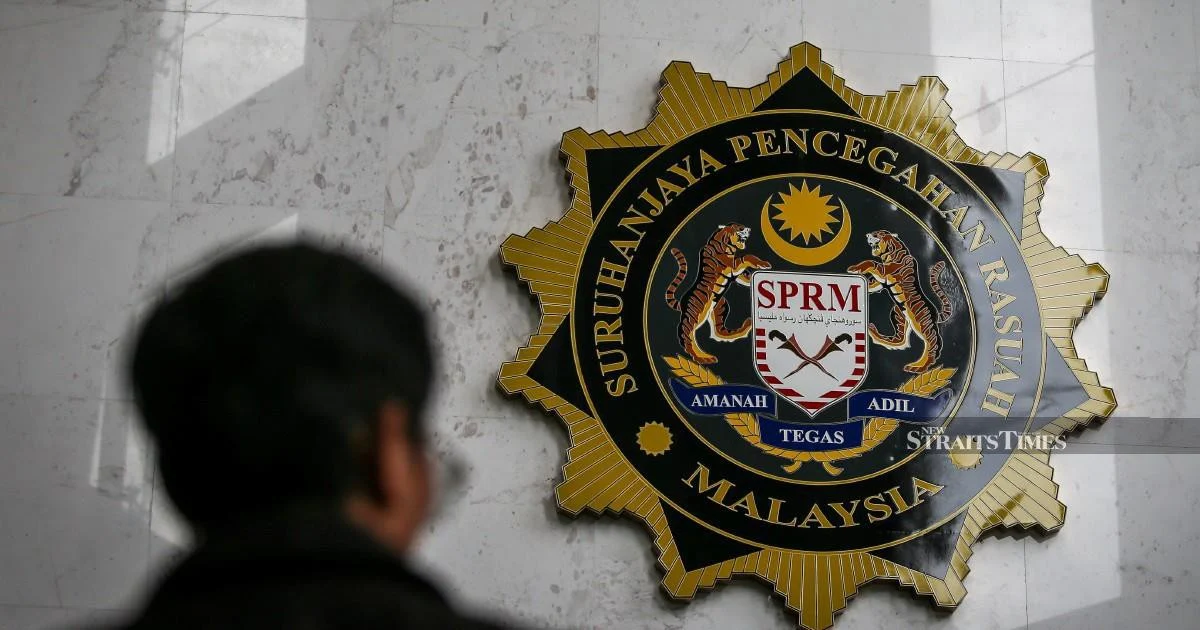
The Malaysian Anti-Corruption Commission has mobilised significant resources to combat electoral wrongdoing in Johor ahead of the 16th state election, establishing five dedicated operation rooms that will function continuously throughout the campaign period. This deployment represents a proactive institutional response to ensure the integrity of one of Malaysia's most economically significant state elections, reflecting growing emphasis on electoral transparency in the country's federal electoral system.
The distribution of these operation rooms across multiple locations within Johor is strategically designed to maximise public accessibility and encourage citizens to come forward with information about potential violations. By positioning anti-corruption teams in geographically dispersed locations rather than centralising operations, the MACC aims to reduce barriers that might otherwise discourage witnesses or victims of electoral misconduct from reporting incidents. The accessibility factor carries particular importance in Johor, which encompasses both densely populated urban centres and more dispersed suburban and rural constituencies where transportation infrastructure varies considerably.
The 24-hour operational model signals institutional commitment to addressing electoral violations as they occur rather than investigating them retrospectively after polling concludes. This temporal dimension addresses a critical vulnerability in electoral oversight, as corruption or abuse of power that transpires during campaign periods can influence voter behaviour in real time. The continuous staffing of these facilities ensures that time-sensitive reports can be processed immediately, potentially enabling intervention before alleged misconduct produces its intended effect on electoral outcomes.
Electoral fraud and abuse of official authority during state elections represent persistent challenges across Malaysian politics. Public officials who use state machinery, resources, or influence to advantage particular candidates can subtly distort electoral competition in ways that prove difficult to detect or prosecute after the fact. By establishing mechanisms for real-time reporting, the MACC creates institutional capacity to gather contemporaneous evidence and testimony while events remain fresh in witnesses' minds and documentary records remain accessible.
The public reporting mechanism underpins this electoral integrity framework. Citizens witnessing alleged corruption, vote-buying, intimidation of voters, or misuse of government resources now possess readily available channels to communicate concerns to professional investigators. This democratisation of anti-corruption reporting distributes surveillance capacity across society rather than relying solely on institutional monitors, fundamentally shifting the cost-benefit calculation for potential wrongdoers who must now assume that violations will likely be detected and reported.
Johor's significance in Malaysia's electoral landscape amplifies the importance of this enforcement effort. As the nation's second-most populous state and a major economic contributor, Johor elections carry implications extending beyond the state itself. The political composition of the Johor state government influences the broader balance of power within Malaysia's federal structure and shapes policy decisions affecting regional development, investment, and resource allocation. Ensuring electoral integrity in Johor therefore serves national interests in democratic legitimacy.
The MACC's expansion of anti-corruption capacity for state elections reflects institutional evolution in Malaysian electoral oversight. Previous state elections have generated reports of various violations, ranging from patronage distribution to inappropriate use of government facilities for campaign purposes. By establishing dedicated task forces with adequate staffing and resources, the commission demonstrates readiness to address these challenges systematically rather than through ad-hoc investigations triggered only after complaints emerge.
The operation rooms will receive reports covering the full spectrum of electoral misconduct defined under Malaysian law and electoral commission regulations. These allegations might include misuse of government contracts to benefit candidates, deployment of civil servants for campaign activities, distribution of cash or goods to voters in exchange for political support, or intimidation and coercion of voters. The ability to categorise and investigate these diverse violation types requires investigators with specialised training in electoral law and forensic analysis of financial transactions and administrative records.
The establishment of these facilities also represents investment in institutional capacity-building that extends beyond the 16th state election. The operational experience gained during this campaign, including protocols for receiving and processing reports, coordination between investigators, and evidence management, will inform future anti-corruption efforts across other electoral contexts. This experiential learning contributes to professionalisation of Malaysia's anti-corruption infrastructure and creates institutional memory regarding effective electoral oversight approaches.
Malaysian voters increasingly expect robust safeguards against electoral misconduct, reflecting broader regional trends toward higher standards for democratic governance and electoral transparency. The MACC's enhanced operational presence during the Johor campaign responds to these expectations and signals that electoral competition should occur within a framework of enforced rules rather than through unbounded exercise of political power and resources. This message carries significance for the broader Southeast Asian region, where concerns about democratic backsliding and electoral integrity remain prominent.
Coordination between the MACC and other electoral oversight bodies will determine the practical effectiveness of these operation rooms. The Election Commission, state-level administrative authorities, and law enforcement agencies must share information and respond to reports with sufficient urgency and impartiality to ensure that investigations proceed without political interference. The success of this institutional infrastructure ultimately depends less on its physical presence than on the commitment of all stakeholders to use established channels and respect their findings regardless of political consequences.
The 24-hour availability of these operation rooms during the election period formalises what amounts to a national commitment to electoral integrity in Johor. Citizens will now possess accessible mechanisms to report concerns about corruption and abuse of authority, transforming the relationship between voters and anti-corruption institutions. Whether this institutional innovation substantially reduces electoral misconduct or merely creates more structured mechanisms for addressing persistent violations will depend on the vigour with which investigators pursue reported allegations and the consequences imposed on confirmed violators.

