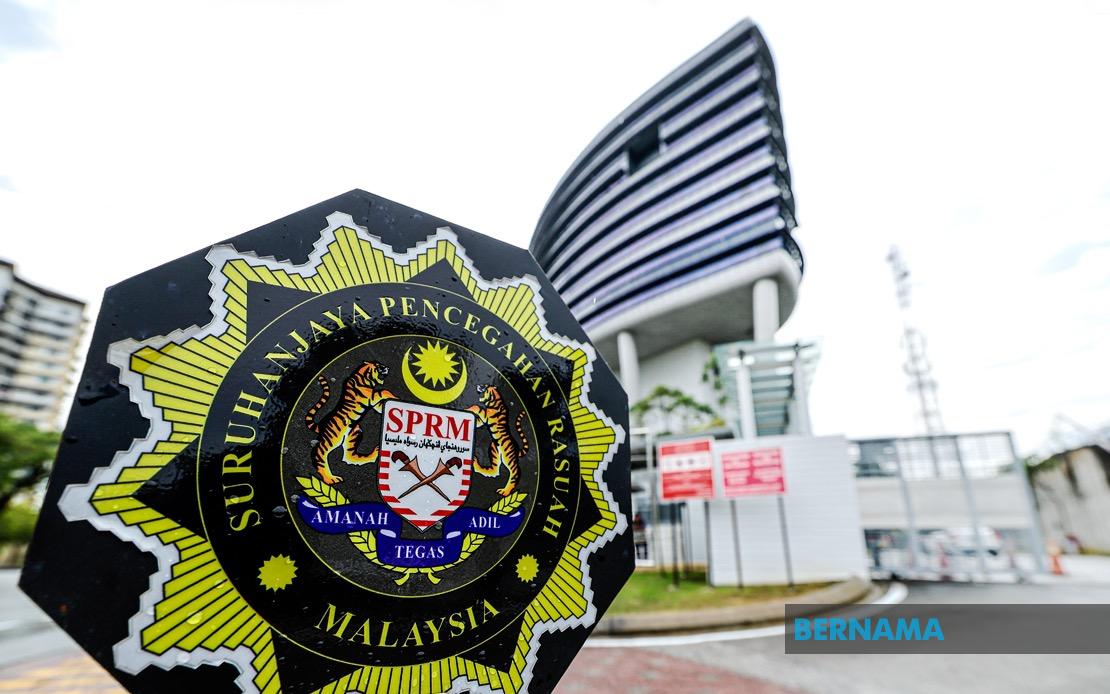
The Malaysian Anti-Corruption Commission has commenced its formal investigation into how the Retirement Fund (Incorporated) lost RM200 million in an investment with Indonesian aquaculture technology firm eFishery, with investigators having already recorded statements from 10 witnesses including senior government officials involved in the decision-making process. The probe, which officially began on July 17, represents an escalation of scrutiny into what authorities describe as a complex case involving potential corruption, abuse of power, and misappropriation, with the anti-corruption body now intensifying its examination of the investment gone wrong.
According to Datuk Seri Abd Halim Aman, the MACC's chief commissioner, the initial round of witness interviews focused on key personnel from KWAP and the Ministry of Finance who played roles in approving and overseeing the controversial investment. The statement-recording phase represents the groundwork upon which investigators will build their case, with officers now systematically reviewing the materials collected and tracing financial movements through banking records and transaction monitoring systems. This methodical approach signals that the MACC intends to construct a detailed forensic picture of how the RM200 million was deployed and subsequently lost.
The investigation's scope extends significantly beyond a simple audit of investment procedures. The MACC is examining a comprehensive range of documentation, including the original investment proposal, due diligence reports prepared before the funding was approved, site inspection reports, meeting minutes spanning the decision-making period, KWAP's internal investment protocols, and the fund's financial records relating to the transaction. This documentary approach will help investigators establish whether proper procedures were followed, whether adequate risk assessment occurred, and crucially, whether any officials acted with corrupt intent or deliberately bypassed safeguards.
What makes this case particularly serious is the alleged involvement of organised fraud and financial statement manipulation by eFishery's management. The Ministry of Finance previously confirmed that KWAP fell victim to deliberate falsification of the company's financial accounts, suggesting that the aquaculture firm's leadership systematically deceived investors about the company's true financial condition. This finding transforms the investigation from one of mere poor investment judgment into a criminal matter, as it indicates that officials may have been deliberately misled or, alternatively, that they failed in their fiduciary duty to conduct adequate due diligence before committing such substantial sums.
The scale of the investment demonstrates the significance of KWAP's exposure to this venture. According to DealStreetAsia, KWAP contributed approximately US$47.7 million to eFishery's Series D funding round in 2023, making it a substantial participant in the company's growth financing. The decision to invest such a large portion of retirement assets in a single Indonesian technology company raises questions about portfolio diversification and risk management protocols within Malaysia's pension fund ecosystem, particularly relevant given that KWAP manages savings accumulated by Malaysian civil servants.
The MACC has established a specialised task force led by the senior director of its Investigation Division to handle the case, drawing personnel from its Investigation, Legal and Prosecution, and Governance Investigation divisions. This dedicated structure suggests authorities view the matter as sufficiently complex and significant to warrant dedicated resources. The multi-disciplinary composition of the task force indicates that investigators expect to examine both criminal culpability and systemic governance failures within KWAP and possibly within the broader civil service investment decision-making apparatus.
Beyond Malaysia's borders, the investigation encompasses international dimensions that require formal cooperation mechanisms. The MACC has already identified overseas parties whose testimony would be material to the investigation and is preparing to apply for Mutual Legal Assistance in Criminal Matters through the Attorney General's Chambers to secure statements from relevant witnesses abroad. This cross-border element reflects the increasingly global nature of financial fraud and the necessity for Malaysian authorities to coordinate with foreign counterparts to pursue accountability comprehensively.
The investigation's focus on governance aspects alongside criminal conduct reveals a broader institutional concern. Beyond determining whether individuals acted dishonestly, the MACC is examining whether KWAP's internal financial procedures, legal compliance mechanisms, and decision-making processes contained adequate safeguards. This angle suggests that investigators suspect systemic weaknesses may have contributed to the loss, potentially implicating not just individual decision-makers but also the fund's institutional frameworks and oversight structures.
For Malaysian taxpayers and civil servants whose retirement contributions form part of KWAP's asset base, this investigation carries direct implications. The loss of RM200 million represents real reduction in pension assets that would otherwise fund retirement benefits. The case underscores vulnerabilities within Malaysia's pension fund management and raises questions about investment risk assessment, governance oversight, and accountability mechanisms within government-linked entities managing public retirement savings. How authorities respond to this matter will likely influence future confidence in KWAP's management and investment decision-making processes.
The investigation remains in its nascent stages, with the MACC indicating that additional witnesses will be called, including members of the Finance Committee and KWAP's Investment Panel. The commission has declined to offer further public commentary at this stage, a prudent approach that avoids prejudicing ongoing investigative work. However, the scale of the inquiry, the involvement of senior officials, and the documented evidence of fraud at eFishery suggest this case will become a significant touchstone for governance accountability within Malaysia's public sector institutions and may prompt broader reviews of how government-linked entities manage investment risks.

