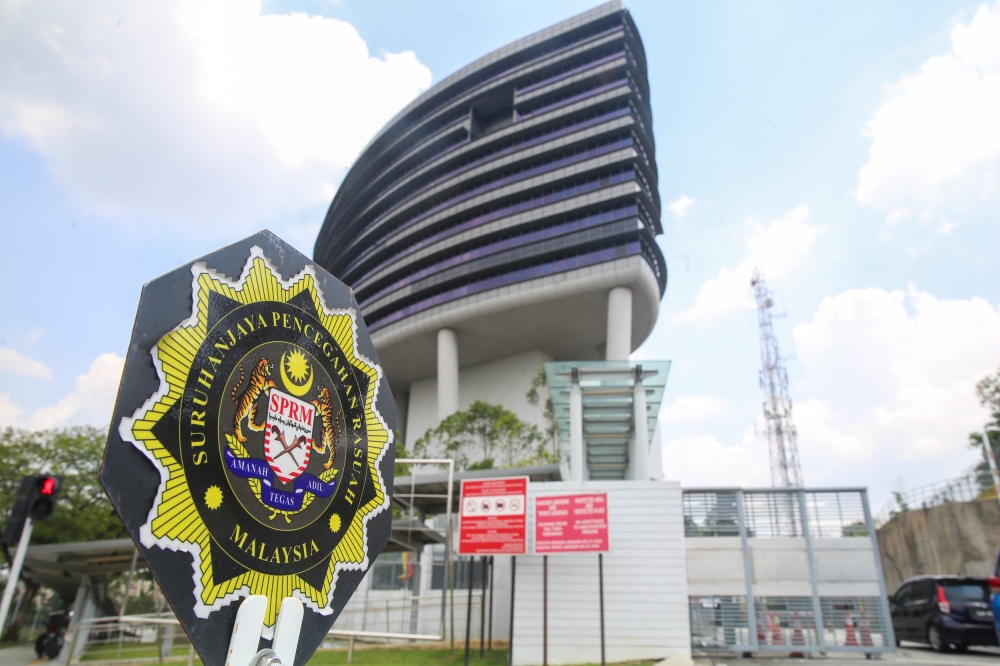
The Malaysian Anti-Corruption Commission has deepened its investigation into a substantial RM200 million loss at the Kumpulan Wang Amanah Pencen (KWAP) pension fund by recording formal statements from 10 witnesses in connection with problematic eFishery investments. The probe, which represents one of the more significant financial irregularities affecting Malaysia's public pension system in recent years, underscores growing concerns about governance and oversight within sovereign wealth and pension management institutions.
The loss, centred on failed eFishery ventures, has prompted the anti-corruption authority to systematically document accounts from individuals believed to have direct knowledge of investment decisions, approval processes, and financial transactions. By gathering witness statements at this investigative phase, the MACC is establishing a factual foundation that will likely inform potential charges or disciplinary proceedings against involved parties. The deliberate pace of witness interviewing suggests the commission is building a comprehensive understanding of how such substantial funds were channelled into what ultimately proved to be unsuccessful commercial operations.
KWAP, the sovereign pension fund managing retirement savings for Malaysian public sector employees, holds particular institutional importance given its responsibility for safeguarding the long-term financial security of hundreds of thousands of government workers and their families. When such a fund experiences losses of this magnitude on a single investment thesis, it raises fundamental questions about due diligence protocols, investment committee decision-making structures, and whether adequate risk management frameworks existed. For Malaysian pensioners and public employees with contributions in the system, understanding what went wrong carries immediate personal relevance.
The eFishery investment represents a notable departure from traditional pension fund allocations and reflects a broader trend within Malaysian institutional investors to seek higher returns through exposure to emerging technology sectors and alternative asset classes. Aquaculture technology platforms have attracted significant capital globally, but the specific circumstances around KWAP's investments in this space suggest decision-making may have lacked proper scrutiny or independent validation. The investigation will likely examine whether investment recommendations were adequately challenged by board members or investment committees before funds were deployed.
Witness statements in corruption investigations typically capture conversations, internal communications, and first-hand accounts of how decisions were made and approved. The MACC's systematic approach indicates investigators are constructing a timeline and narrative of events, from initial investment proposals through to the point where financial difficulties became apparent. This methodical process, while sometimes time-consuming, builds evidentiary strength that can withstand legal scrutiny if prosecutions follow. The involvement of 10 witnesses suggests the transaction network encompassed multiple institutional layers, from investment officers to approving authorities.
For Malaysia's broader institutional investment community, the KWAP investigation carries cautionary weight. Pension funds and other long-term institutional investors have fiduciary duties to their beneficiaries that supersede appetite for headline-grabbing returns or participation in trending investment themes. The eFishery situation appears to exemplify how even sophisticated financial institutions can encounter difficulties when investment due diligence becomes secondary to other considerations—whether pressure for performance, relationships with investment promoters, or insufficient challenge to investment proposals from oversight functions.
The investigation also reflects Malaysia's ongoing efforts to strengthen financial governance and anti-corruption enforcement within state-linked entities. Previous years have witnessed significant investigations into other institutions where substantial losses or misallocations occurred, establishing institutional memory about the serious consequences of governance failures. The MACC's visible engagement in the KWAP matter signals that no institution, regardless of size or public importance, operates beyond scrutiny.
For Malaysian pensioners and public sector employees, this investigation carries implications for trust in institutional management of their retirement assets. While pension funds inevitably experience investment gains and losses through market cycles, losses attributed to poor governance or inadequate due diligence strike at the social contract between employees and their employer regarding retirement security. Understanding the KWAP investigation's outcomes will influence public confidence in pension fund governance and potentially shape future regulatory frameworks governing such institutions.
The timeline for the MACC investigation remains unclear, though witness statement collection typically precedes more formal investigative phases. Once witness interviews conclude, the commission must synthesize information, potentially seek additional clarification, and determine whether evidence supports referral for prosecution. The investigation may also prompt institutional reforms at KWAP itself, including enhanced investment governance protocols, clearer approval thresholds for significant capital commitments, and strengthened independent oversight of investment decisions.
Regionally, Malaysia's handling of the KWAP matter will be observed by other Southeast Asian nations managing similar sovereign or quasi-sovereign investment vehicles. Demonstrating clear accountability mechanisms and transparent investigative processes enhances institutional credibility and contributes to regional confidence in Malaysian financial governance standards. The investigation underscores that regardless of an institution's public profile or the political sensitivities surrounding some stakeholders, anti-corruption authorities will pursue systematic investigation of alleged governance failures and misuse of public resources.

