As polling day approaches for Johor's 16th state election scheduled for Saturday, the Malaysian Anti-Corruption Commission has launched formal inquiries into three separate corruption complaints, signalling renewed vigilance over the electoral process in the southern state. The antigraft body confirmed on Tuesday that it has begun assessing information from one official report submitted by the Election Campaign Enforcement Team in Batu Pahat, alongside two additional complaints filed directly by members of the public. The disclosure underscores mounting concerns about potential misconduct during what is shaping up to be a closely watched contest that will determine the composition of the 56-seat state assembly.
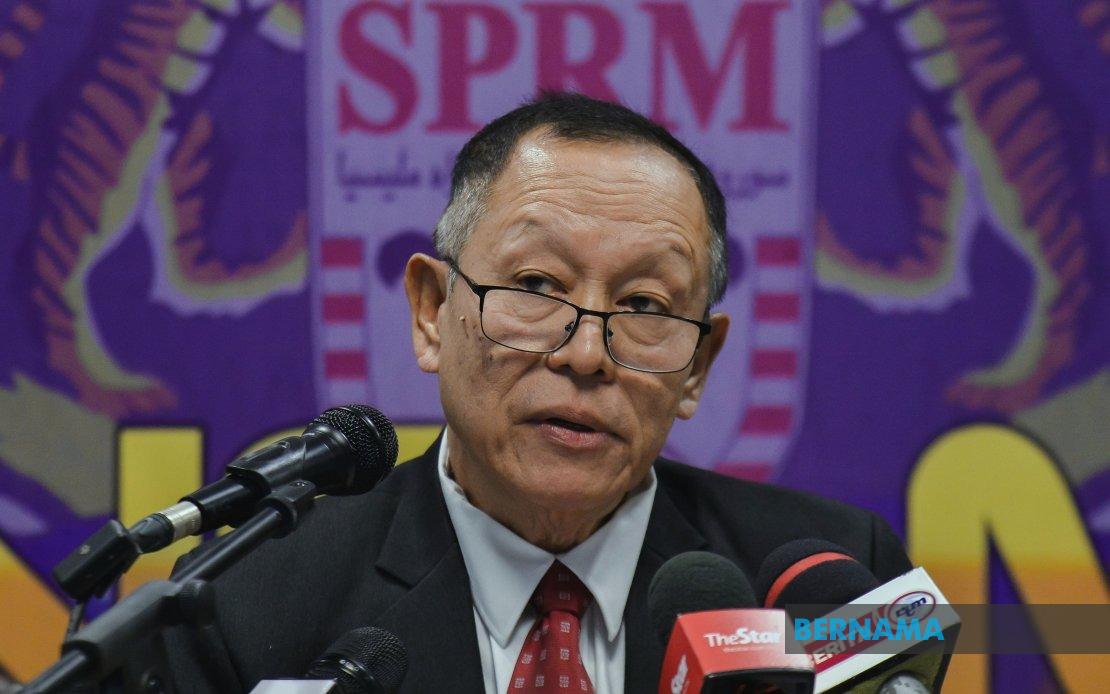
MACC chief commissioner Datuk Seri Abd Halim Aman disclosed the details during a briefing at the commission's Putrajaya headquarters, acknowledging that among the allegations under review is a specific claim of corrupt conduct by an election candidate. Without elaborating on the nature of the suspected wrongdoing or identifying the individuals implicated, Abd Halim emphasised that his agency treats all corruption allegations with equal seriousness regardless of the political affiliation or standing of those involved. The measured approach reflects the commission's institutional mandate to maintain impartiality during election cycles, a particularly sensitive period when public trust in electoral systems can be significantly undermined by perceptions of bias or selective enforcement.
The emergence of these reports reflects longstanding concerns about campaign conduct in Malaysian elections. Throughout the country, election-related misconduct—ranging from bribery and abuse of public resources to intimidation of voters—has periodically tarnished the democratic process. The Johor contest, being a state-level election rather than a federal one, still carries substantial political weight given the state's significant population and economic importance. For many Malaysian voters, state elections serve as barometers of public sentiment and often foreshadow shifts in the national political landscape, making electoral integrity in Johor particularly consequential for the broader Malaysian political ecosystem.
To bolster oversight mechanisms during the campaign, MACC has established dedicated operations rooms across five strategic locations within Johor: the state capital Johor Bahru, as well as in Segamat, Kluang, Batu Pahat and Mersing. This decentralised approach aims to reduce barriers for the public in reporting suspected abuses of power or corrupt activities, effectively bringing the anti-corruption machinery closer to voters and candidates alike. The geographical spread of these operations rooms reflects recognition that electoral misconduct can occur across rural and urban settings, and that accessible reporting channels are essential for detecting impropriety before it can influence election outcomes.
Abd Halim reiterated the MACC's uncompromising stance on election-related violations, declaring that the agency will pursue enforcement action against any individual found culpable, regardless of their social status, political position, or party affiliation. This declarative commitment to neutrality carries particular importance in Malaysia's plural political environment, where accusations of selective prosecution or partisan bias can quickly erode public confidence in institutions. By publicly committing to principled enforcement, the MACC chief sought to reassure voters that the electoral playing field remains level and that no politician or party enjoys immunity from scrutiny.
The broader strategic objective underpinning these measures is the preservation of electoral legitimacy and public faith in democratic institutions. Abd Halim articulated this philosophy explicitly, noting that clean elections transcend mere technical compliance with electoral law; they constitute a foundational requirement for sustaining institutional credibility and public engagement with the democratic system. In a regional context where several Southeast Asian democracies have faced challenges to their legitimacy following disputed elections, Malaysia's investment in election-monitoring infrastructure and swift investigative response carries symbolic as well as practical significance.
The Johor state election will see approximately 2.7 million eligible voters participate in selecting representatives for the next legislative term. This substantial electorate makes the contest demographically significant and gives the stakes considerable weight. The scale of potential voter participation, combined with the political sensitivity surrounding electoral conduct, explains why the MACC has mobilised resources and heightened vigilance specifically for this election cycle. Large-scale elections create proportionally greater opportunities for misconduct to occur, and the visibility of any corruption that does transpire can have cascading effects on public trust.
Beyond the specific allegations now under investigation, MACC has issued a broader advisory to all candidates, political parties, their supporters, and voters themselves, urging strict compliance with electoral law throughout the campaign period and on polling day itself. This categorical reminder serves multiple functions: it signals the commission's watchfulness, establishes clear expectations for lawful conduct, and provides documentation that the anti-corruption body has explicitly cautioned against violations. In the event that misconduct does occur, such prior warnings strengthen the legal and moral authority of enforcement actions.
The timing of these corruption reports—emerging in the final days before voting—raises questions about the effectiveness of ongoing monitoring throughout the campaign. Whether these allegations represent isolated incidents detected late in the process or merely the tip of a larger pattern of misconduct remains unclear. The investigation outcomes, once concluded, will provide valuable insights into the actual prevalence of corruption during this particular election cycle and may inform whether additional investigative measures or preventive reforms are warranted for future electoral contests in Johor and beyond.

