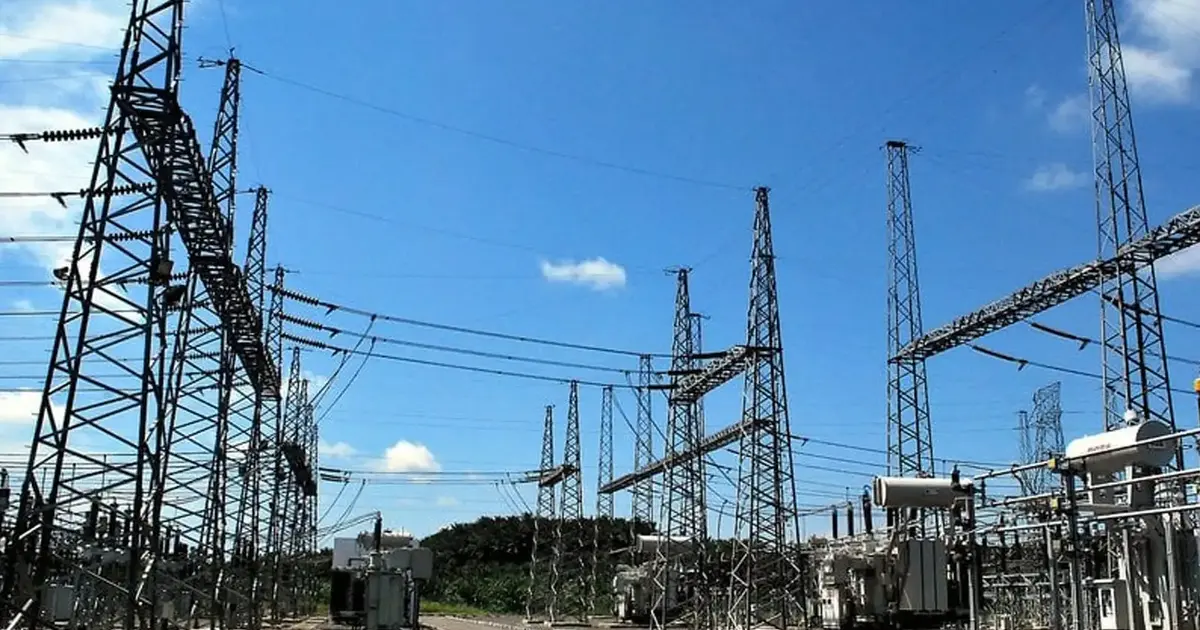
Rohas Maddin has disclosed through a Bursa Malaysia filing that the investigation conducted by the Malaysian Anti-Corruption Commission (MACC) into HG Power Transmission has reached its conclusion. The company confirmed it received formal notification that the probe has terminated without the recommendation for any further proceedings, marking a significant development in what had been a matter of considerable corporate concern.
The revocation of seizure orders represents a material improvement in the operational circumstances of HG Power Transmission. Asset freezes and property seizures can severely constrain a company's ability to conduct normal business activities, limiting access to funds, equipment, and resources essential for maintaining revenue streams and meeting contractual obligations. The lifting of these measures therefore restores the organisation's operational flexibility at a critical juncture.
The timing of this resolution carries implications for HG Power Transmission's corporate standing and financial position. Extended MACC investigations can damage investor confidence, complicate banking relationships, and create uncertainty around management stability. A concluded probe with no further action typically allows the company to move forward without the regulatory cloud that had previously hung over its affairs, though the reputational impact of the investigation itself may persist for some time.
For stakeholders in Malaysia's power transmission sector, this development underscores the importance of regulatory compliance and transparent governance. HG Power Transmission operates within a critical infrastructure domain where both performance standards and anti-corruption vigilance are paramount. The company's successful navigation of this investigation suggests the energy sector continues to experience heightened scrutiny from authorities seeking to maintain integrity in public contracts and strategic assets.
The power transmission industry in Malaysia remains vital to the nation's economic competitiveness and infrastructure resilience. Companies operating in this space must balance operational efficiency with robust internal controls and transparent dealing with government agencies. The conclusion of this particular investigation without findings of wrongdoing may provide some reassurance to other stakeholders in the sector about governance standards.
The MACC's investigation process, while sometimes lengthy and disruptive, reflects Malaysia's commitment to combating corruption across both public and private spheres. When investigations conclude without further action, it typically indicates either insufficient evidence of wrongdoing or that any technical irregularities found did not warrant prosecution. This distinction matters significantly for the investigated entity's future credibility and business relationships.
For HG Power Transmission's management, the conclusion of the probe opens opportunities to refocus on strategic development and stakeholder communication. Companies emerging from extended investigations often must invest considerable effort in rebuilding confidence among investors, business partners, and regulatory bodies. Transparent communication about the investigation's closure and any corrective measures undertaken can accelerate this rehabilitation process.
The broader context of anti-corruption enforcement in Malaysia reflects ongoing institutional development within the MACC itself. The commission has expanded its investigative capacity and oversight reach in recent years, targeting suspected wrongdoing across diverse economic sectors. While investigations can sometimes appear protracted, closure without charges may indicate either effective preliminary screening or proportionate enforcement decisions.
Stakeholders tracking developments in Malaysia's power and energy infrastructure will view this resolution as a positive sign of sector stability. Regulatory certainty encourages investment in capacity expansion and technological modernisation, both essential for supporting Malaysia's growing energy demands and transition toward renewable sources. Companies operating without active investigations can allocate management attention and capital more effectively toward these strategic objectives.
The lifting of seizure orders also has implications for HG Power Transmission's contractual relationships. Power transmission contracts often include performance bonds and financial assurances. Asset seizures can trigger default concerns or force companies to demonstrate financial capacity through alternative means. Removal of these restrictions simplifies contract administration and may improve terms with counterparties who had expressed concerns about the company's constrained circumstances.
Looking ahead, HG Power Transmission can utilise this closure to strengthen governance frameworks and stakeholder engagement. Companies emerging from regulatory investigations frequently implement enhanced compliance systems, board-level oversight mechanisms, and transparency initiatives. Such measures, while adding operational costs, often produce long-term benefits through improved risk management and institutional reputation.
The conclusion of this MACC probe reflects the broader maturation of Malaysia's anti-corruption apparatus and the corporate sector's adaptation to intensified oversight. As the nation continues developing its regulatory infrastructure, clear and timely closure of investigations—whether resulting in charges or exoneration—serves important signalling functions for market confidence and institutional credibility throughout Southeast Asia's leading economic powerhouse.

