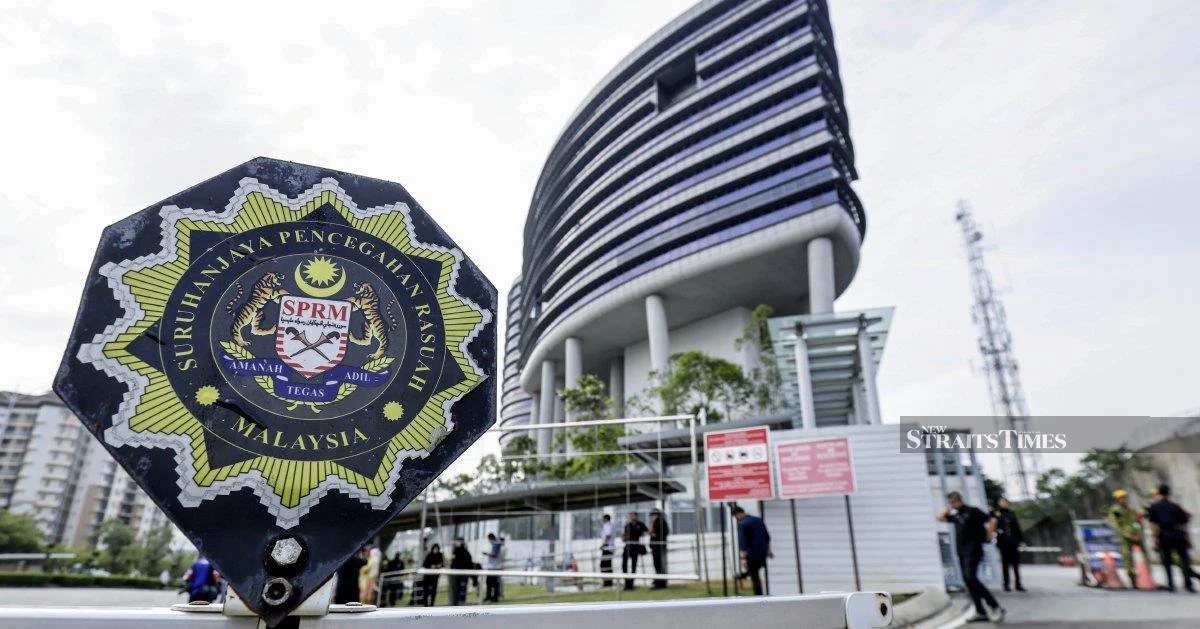
The Malaysian Anti-Corruption Commission (MACC) will conduct a thorough review of governance structures and operational procedures underpinning the Daya Kerjaya 2.0 employment incentive scheme, according to recent developments in the commission's ongoing investigation into alleged fraudulent claims totalling RM9 million.
The decision to examine institutional weaknesses marks an escalation beyond the initial fraud investigation, signalling the MACC's determination to identify systemic vulnerabilities that may have enabled or facilitated irregular claims within the programme. Such governance audits typically scrutinise administrative controls, verification mechanisms, fund disbursement protocols, and oversight arrangements designed to prevent misuse of public resources.
Daya Kerjaya 2.0 represents a significant government initiative aimed at supporting employment and skills development in Malaysia. The scheme provides incentives to businesses and organisations participating in workforce development activities, making it a key component of the nation's economic and human capital strategy. The alleged fraudulent activity therefore carries implications beyond simple financial loss, potentially undermining public confidence in employment support mechanisms that many workers and enterprises depend upon.
The RM9 million figure represents substantial public funds that investigators suspect were claimed irregularly or without proper justification. The scope of suspected fraud suggests either multiple fraudulent submissions across different beneficiaries or large-scale misappropriation by certain entities. Understanding how such sums could be claimed without immediate detection is crucial for preventing similar incidents in comparable programmes.
Governance weaknesses in public schemes typically involve inadequate documentation requirements, insufficient background verification of applicants, inadequate monitoring of fund usage after disbursement, or gaps in inter-agency information sharing. The MACC's investigation will likely examine whether Daya Kerjaya 2.0's administrative framework contained sufficient checkpoints to validate claims and whether implementing agencies possessed adequate resources and training to verify submissions effectively.
For Malaysian readers and businesses, this investigation carries practical ramifications. Companies currently participating in or considering Daya Kerjaya 2.0 face heightened scrutiny of their involvement, while the government must reassure legitimate programme participants that their claims will be processed fairly despite ongoing investigations. Any temporary suspension or tightening of procedures could delay benefit payments to deserving applicants.
The governance review also reflects broader concerns within the Malaysian public sector regarding administrative control over large-scale assistance programmes. As government expenditure on economic stimulus and support schemes increases, ensuring robust internal controls becomes increasingly important. The findings from this investigation will likely inform improvements to Daya Kerjaya 2.0 and similar initiatives across other government ministries and agencies.
Regional observers will note that Malaysia's investigation into public programme fraud demonstrates the MACC's expanding role in examining systemic institutional failures, not merely individual criminal acts. This approach aligns with contemporary anti-corruption best practices, which emphasise preventive measures and structural reforms alongside prosecution.
The investigation timing occurs amid heightened focus on government spending accountability and financial governance. Recent years have seen increased public and political scrutiny of how development funds and assistance programmes are managed, creating pressure on authorities to demonstrate competence in safeguarding public resources. The MACC's swift response to fraud allegations in Daya Kerjaya 2.0 reflects this accountability environment.
Stakeholders including employer associations, trade unions, and civil society organisations will likely await the investigation's findings with interest, as the conclusions will shape future design and implementation of employment support mechanisms. Any recommendations emerging from the governance review could establish new standards for programme administration across the Malaysian government.
The commission's dual investigation into both fraudulent claims and underlying governance failures represents a comprehensive approach to addressing what appears to be a significant breach of public trust. Identifying perpetrators of fraud remains important, but understanding and correcting the administrative systems that permitted such fraud to occur offers longer-term protection for government programmes and public funds.
Asian economies increasingly recognise that robust governance frameworks for public assistance schemes enhance not only fiscal discipline but also programme effectiveness and public participation. Malaysia's investigation into Daya Kerjaya 2.0 will contribute valuable lessons for strengthening employment support systems across the region.