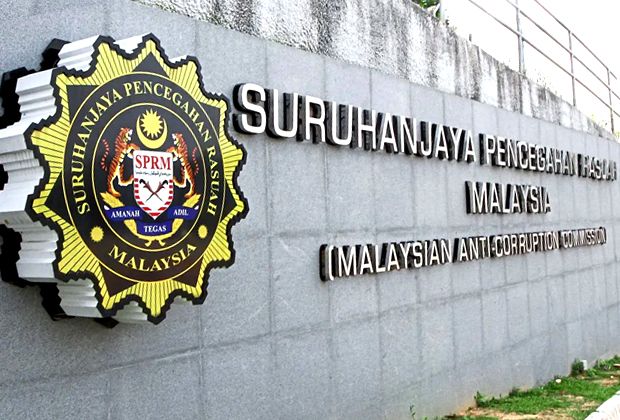
The Malaysian Anti-Corruption Commission has lifted seizure orders that had been imposed on the bank accounts of Rohas Tecnic and its subsidiary HGPT, a developer and operator of power transmission and telecommunication towers, clearing the way for the company to resume unrestricted financial operations. The revocation, confirmed through a Bursa Malaysia filing, extends not only to corporate accounts but also to the personal bank accounts held by current and former officers of HGPT, signalling a comprehensive release of the restrictions that had been placed under anti-money laundering legislation.
The freezing of accounts had created significant operational challenges for the publicly-listed tower company and its subsidiaries since mid-October, when the MACC first imposed the restrictions under Section 44(1) and Section 50(1) of the Anti-Money Laundering, Anti-Terrorism Financing and Proceeds of Unlawful Activities Act 2001 (AMLA). The seizure orders, which represented one of the more aggressive uses of the MACC's enforcement powers, prompted market disclosure requirements that typically attract investor attention and media scrutiny, though the nature of the underlying investigation was not publicly detailed at the time.
Rohas Tecnic's announcement on October 17, 2025, that it and its subsidiaries HGPT and Rohas-Euco Industries Bhd (REI) had been served with freezing and seizure orders initiated a period of regulatory uncertainty for the group. The breadth of the initial action—covering not just the parent company but multiple subsidiaries and their officers—suggested the MACC's investigation had cast a wide net. The company's subsequent silence on the matter until the revocation announcement left investors and stakeholders with limited information about the investigation's status or substance.
The lifting of these orders represents a significant development in what appears to have been a routine but thorough review process by Malaysia's anti-corruption authorities. Between the initial seizure orders in October and the revocation orders issued in late November, the Deputy Public Prosecutor conducted a legal assessment of the evidence and circumstances supporting the original restrictions. The fact that revocation came through the Deputy Public Prosecutor's office, rather than through the MACC itself, suggests a formal prosecutorial evaluation determined that the grounds for maintaining the seizure orders no longer existed.
The timeline of events shows a staggered revocation process across the three entities. While Rohas Tecnic and HGPT received their revocation orders on November 26, 2025, from the Deputy Public Prosecutor acting under Section 50(1) of AMLA, REI had received its revocation order a day earlier from the MACC itself under Section 44A of AMLA. This sequential pattern may indicate that the investigation examined different aspects of each entity's operations or that compliance issues were resolved at different points, though no official explanation has been provided.
The restoration of banking access is particularly crucial for a company in the tower infrastructure sector, where cash flow and operational flexibility are essential for maintaining service levels and managing capital-intensive projects. Tower operators typically require unrestricted access to working capital for maintenance, personnel costs, and debt servicing. The freezing of accounts would have severely constrained HGPT's ability to execute contracts or respond to operational emergencies, potentially affecting its customers and counterparties throughout the telecommunications and power sectors.
For Malaysian shareholders and the broader investment community, the revocation orders provide reassurance about the company's regulatory standing and financial viability. Rohas Tecnic's listing on Bursa Malaysia meant that the account seizures were matters of public knowledge, and the uncertainty surrounding their reason and duration could have influenced investor sentiment and stock valuation. The prompt resolution through legal channels, without apparent disciplinary action or ongoing restrictions, suggests no fundamental compliance failures emerged from the investigation.
The application of AMLA's seizure provisions represents a significant regulatory intervention, and their revocation is correspondingly noteworthy. These powers are typically deployed in cases involving suspected money laundering or proceeds of unlawful activity, making their withdrawal an indication that the MACC's preliminary inquiry did not substantiate such concerns to a degree warranting continued financial restriction. The absence of any announcement regarding charges, further investigation, or regulatory findings suggests the matter has been resolved at the investigative stage.
For the broader Malaysian business environment, this sequence of events illustrates both the stringent anti-corruption enforcement mechanisms available to authorities and the judicial review processes that constrain their application. Companies operating in Malaysia face the possibility of account seizure under AMLA, but such actions are subject to proportionality assessments and legal review. The relatively swift resolution—from October to November—indicates that the procedural safeguards embedded in Malaysia's anti-money laundering framework are functioning to prevent indefinite or unjustified financial restrictions.
Rohas Tecnic's confirmation that all affected accounts have been released and the company is now free to conduct normal banking and business activities marks the formal close of this enforcement action. The company made no comment regarding the original basis for the investigation, the nature of any issues that may have been raised, or the steps taken to resolve them. This discretion is typical in cases where no charges are filed, as disclosure of investigation details could expose ongoing regulatory assessments or administrative processes.

