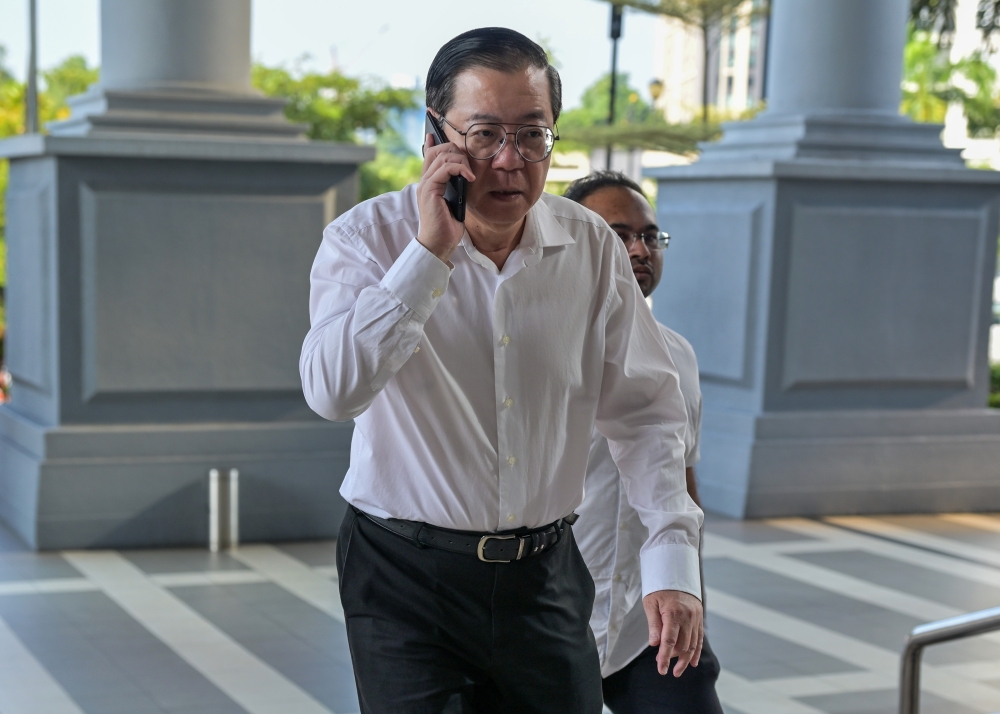
A Malaysian Anti-Corruption Commission (MACC) investigating officer has categorically rejected allegations that his conduct in the undersea tunnel inquiry into former Finance Minister Lim Guan Eng reflects any form of bias or prejudicial treatment. The officer's denial, delivered during proceedings related to the investigation, underscores the escalating tensions surrounding what has become one of Malaysia's most closely watched corruption probes in recent years.
The undersea tunnel project, envisioned as a transportation link between Peninsular Malaysia and Penang, has attracted substantial public and political scrutiny since its inception. Lim Guan Eng, who served as Finance Minister under the Pakatan Harapan administration, has faced questioning regarding his involvement in the project's approval and subsequent execution. The MACC's investigation has examined decisions made during the planning and advancement stages of the infrastructure initiative.
The allegation of bias represents a significant dimension of the broader dispute surrounding the probe's legitimacy and conduct. Such accusations carry considerable weight in Malaysia's political landscape, where questions about institutional impartiality frequently dominate discourse. The investigating officer's emphatic repudiation indicates the MACC's confidence in the investigation's adherence to procedural standards and regulatory frameworks governing anti-corruption inquiries.
For Malaysian readers and regional observers, the undersea tunnel investigation exemplifies the ongoing challenge of balancing effective anti-corruption enforcement with perceptions of political neutrality. Major infrastructure projects routinely undergo scrutiny in developing economies, yet the manner in which such examinations proceed can significantly influence public confidence in investigative institutions. The MACC's handling of high-profile cases involving prominent political figures therefore carries broader implications for Malaysia's democratic institutions and rule of law framework.
The rejection of bias claims also occurs within a context of considerable political polarisation in Malaysia. Previous MACC investigations into politically significant figures have attracted criticism from multiple quarters, with observers questioning whether enforcement patterns reflect genuine evidence of misconduct or reflect institutional preferences. This investigation into Lim Guan Eng's role in the undersea tunnel project carries similar weight in terms of public perception and political interpretation.
The undersea tunnel project itself represents an ambitious but controversial infrastructure endeavour. Proposed to facilitate smoother transportation between Penang and the mainland, the initiative has encountered substantial technical, financial, and environmental considerations. The project's financial implications alone justify rigorous scrutiny, given the scale of public investment potentially involved. However, examining decision-making processes surrounding major infrastructure projects requires balancing investigative thoroughness with procedural fairness and political independence.
Lim Guan Eng's tenure as Finance Minister from 2018 to 2020 encompassed a period of significant policy transitions following the 2018 general election. During this interval, the government pursued various infrastructure development initiatives, including the undersea tunnel concept. The investigation's focus on his involvement reflects broader questions about governance standards in major project approvals, regardless of the political administration in power.
The MACC officer's statement defending the investigation's impartiality suggests the commission believes it has followed established protocols and maintained professional standards throughout the inquiry. Such defences typically emphasize adherence to investigative procedures, documentation of evidence, and consistency with past practice. However, the persistence of bias allegations indicates that procedural compliance alone may not fully address public and political scepticism regarding investigative motivations or institutional independence.
For regional observers monitoring Malaysia's governance trajectory, this investigation carries implications extending beyond the undersea tunnel project itself. The manner in which the MACC conducts high-profile inquiries influences perceptions of Malaysia's institutional strength and democratic health. Southeast Asian nations increasingly scrutinise each other's anti-corruption efforts, and Malaysia's handling of prominent cases shapes regional assessments of the country's commitment to accountability and rule of law.
The investigation also intersects with broader questions about infrastructure project governance throughout Southeast Asia. Other nations in the region have grappled with similar challenges surrounding major development initiatives, particularly regarding transparent decision-making processes and appropriate oversight mechanisms. How Malaysia's institutions navigate investigations into significant infrastructure decisions may offer instructive precedents for regional peers.
Moving forward, the MACC's continued pursuit of the undersea tunnel inquiry will likely remain politically contentious. The commission's success in demonstrating procedural rigour while reaching credible conclusions will substantially influence perceptions of its institutional independence. For Malaysian stakeholders and international observers, the investigation's trajectory will provide insights into the MACC's capacity to conduct impartial inquiries into sensitive matters involving politically prominent figures.
The rejection of bias allegations by the investigating officer represents an important moment in the broader investigation, yet it simultaneously illustrates the persistence of questions surrounding institutional impartiality in Malaysian governance. Resolving such tensions requires not merely assertions of procedural compliance, but sustained demonstration of even-handed application of investigative standards across all cases regardless of political dimensions.

