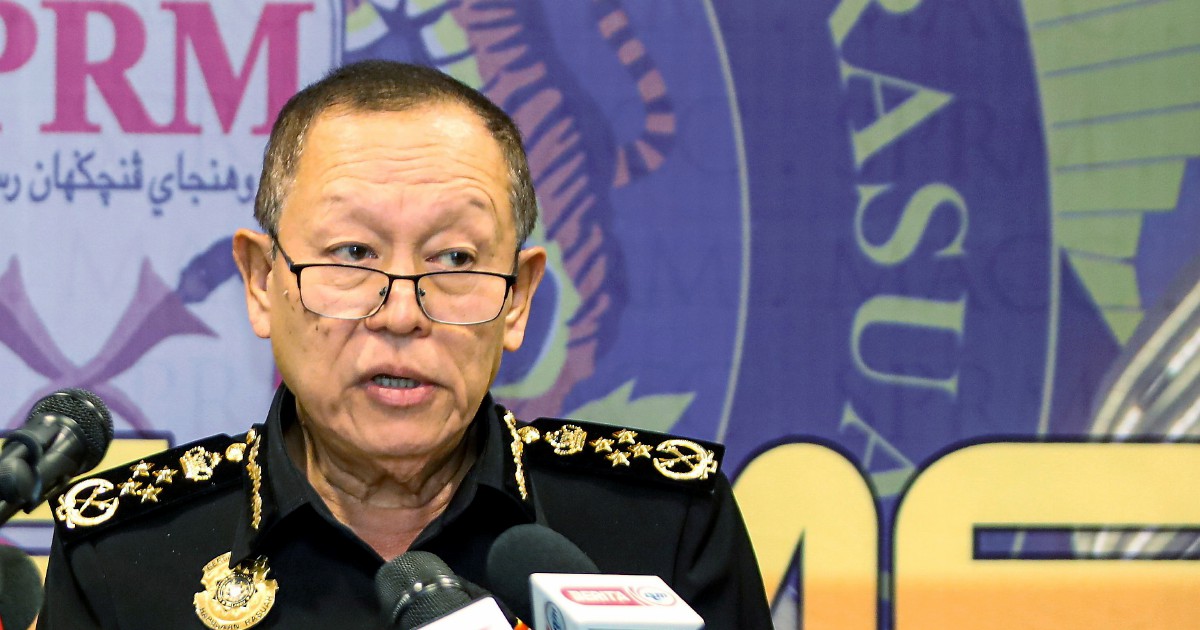
The Malaysian Anti-Corruption Commission (MACC) has initiated a formal investigation into an RM80 million replanting project at Felda Palong 7, located in Wilayah Raja Alias, Negeri Sembilan. The inquiry centres on alleged discrepancies that have emerged within what was intended as a development initiative for the Federal Land Development Authority settlement. This development marks another instance of the anti-corruption body's expanding focus on irregularities within large-scale agricultural and land-scheme undertakings across Malaysia.
Felda Palong 7 sits within one of Malaysia's major agricultural regions, where replanting projects typically represent significant capital investments aimed at rejuvenating aging palm oil or rubber estates. Such initiatives are critical to maintaining productivity within Federal Land Development Authority schemes, which have historically served as vehicles for rural economic development and settler livelihoods. The alleged discrepancies flagged in this investigation suggest potential mismanagement or misallocation of resources earmarked for agricultural infrastructure and productivity improvements.
The decision to open an investigation paper represents a preliminary step in the MACC's examination process, whereby the commission formally documents the scope and nature of suspected wrongdoing before proceeding to more intensive investigative phases. This procedural approach allows the anti-corruption authority to gather initial evidence and determine whether the matter warrants escalation to full-scale probes or referral to prosecution. The confirmation of this investigation sends a signal that the commission takes seriously any reported irregularities within government-linked schemes, particularly those involving substantial public funds.
For Felda settlers and communities dependent on these agricultural schemes, investigations of this nature carry substantial implications. Misallocation of replanting funds could undermine efforts to modernise estates, maintain competitive productivity levels, and secure the agricultural income that underpins household finances in these regions. Any corruption within Felda management structures directly impacts the beneficiaries these institutions were designed to serve, making transparency and accountability essential to preserving public trust in federal agricultural development.
The scrutiny of Felda projects reflects broader concerns about governance and financial accountability within statutory bodies managing public resources. Over recent years, various state and federal agricultural schemes have come under investigation for alleged procurement irregularities, inflated project costs, and questionable awarding of contracts. These patterns suggest systemic vulnerabilities in oversight mechanisms that protect public funds channelled into rural development initiatives across Malaysia.
Negeri Sembilan's agricultural sector depends significantly on schemes like Felda Palong 7 to sustain economic activity and provide employment in rural areas. Large-scale replanting projects carry substantial costs and require careful project management to deliver value and maintain settler incomes. Allegations of discrepancies in such undertakings therefore carry implications beyond the immediate project, potentially affecting investor confidence in the state's land development governance and agricultural productivity frameworks.
The MACC's investigation will likely examine procurement procedures, cost justifications, contract awards, and actual resource deployment against budgeted allocations. Such inquiries typically involve scrutinising documentation, interviewing relevant officials and contractors, and cross-referencing financial records to identify points of divergence between approved plans and implemented activities. The complexity inherent in large agricultural projects means investigations can extend over considerable periods while the commission builds its evidentiary foundation.
For the broader Malaysian public, this investigation underscores the continuing role of anti-corruption institutions in monitoring public fund utilisation. The MACC's capacity to investigate and expose irregularities within government-linked entities remains essential to maintaining public sector integrity. Cases involving agricultural projects are particularly significant, given the sectoral importance to rural Malaysia and the substantial public investments typically involved in land development and replanting initiatives.
The outcome of this investigation will carry implications for how similar projects are managed going forward. Should irregularities be substantiated, the findings may prompt revised oversight protocols, enhanced procurement safeguards, or institutional restructuring within Felda administrative frameworks. Conversely, if the investigation yields no substantive evidence of wrongdoing, it would provide reassurance regarding project integrity and fund utilisation practices within the settlement.
As the investigation progresses, stakeholders including Felda settlers, state authorities, and agricultural sector participants will be monitoring developments closely. The public interest in transparent and accountable management of resources dedicated to rural development remains paramount, making the thoroughness and impartiality of the MACC's examination crucial to maintaining confidence in federal land development institutions and the broader framework for government resource allocation in Malaysia.

