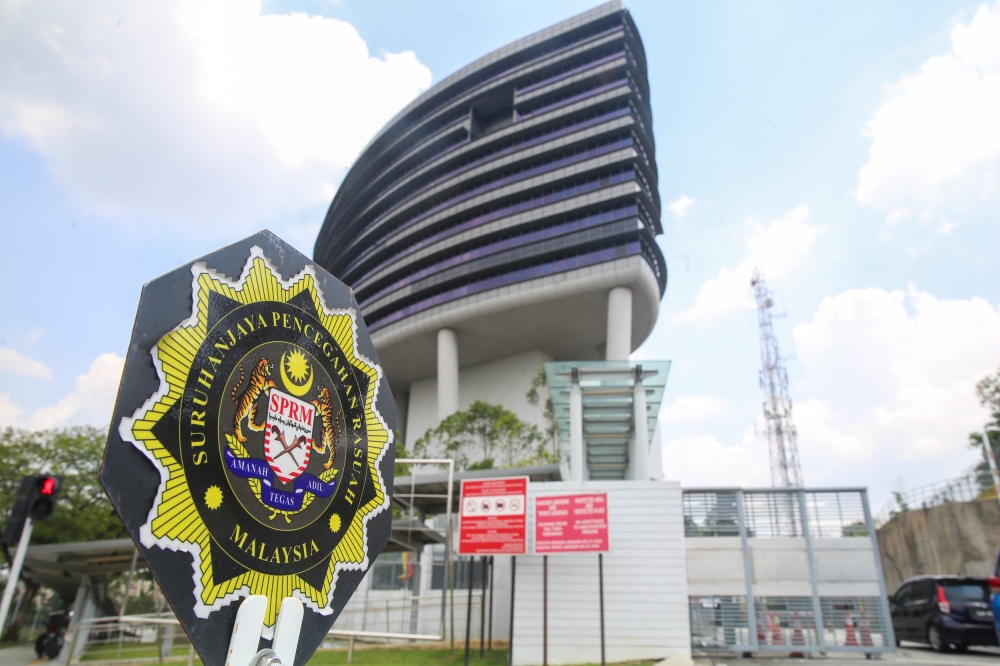
The Malaysian Anti-Corruption Commission has intensified its campaign to establish comprehensive whistleblower protections across the federal bureaucracy, pressing ministry secretaries-general to embed safeguard mechanisms within their respective departments. This coordinated push reflects recognition that institutional frameworks protecting those who expose misconduct are essential not only for operational effectiveness but also for elevating Malaysia's standing in international corruption assessments, particularly the Corruption Perceptions Index.
The MACC's appeal to senior civil servants underscores a strategic shift in anti-corruption strategy. Rather than relying solely on investigative capacity and enforcement mechanisms, the commission has identified whistleblower protection as a foundational element that enables the discovery and prosecution of corruption cases. Without assurance of safety, employees with knowledge of fraudulent practices, misappropriation, or abuse of power remain reluctant to come forward, allowing misconduct to persist undetected within government structures. The secretaries-general, as custodians of their ministries' integrity frameworks, occupy a critical position in translating MACC guidance into actionable departmental policies.
This initiative gains particular significance given Malaysia's international performance metrics. The Corruption Perceptions Index, compiled annually by Transparency International, ranks 180 countries based on perceived levels of public sector corruption. Malaysia's position on this index carries weight beyond numerical ranking; it influences investor confidence, affects the nation's credibility in multilateral forums, and shapes perceptions among trading partners and international institutions. Countries demonstrating serious institutional commitment to anti-corruption measures—including robust legal protections for those reporting wrongdoing—typically register improvements in these assessments.
The linkage between whistleblower safeguards and CPI improvement reflects international best practice in anti-corruption governance. Jurisdictions that have climbed corruption perception rankings invariably strengthened legal and administrative protections for those exposing misconduct. Such protections typically encompass confidentiality guarantees, protection against retaliation in employment matters, and access to dedicated reporting channels. When civil servants understand that their identities will be protected and that raising concerns will not jeopardise their careers, organisations experience higher reporting rates and earlier intervention in corruption problems.
For Malaysia's public sector, the practical implementation challenge is substantial. Ministries operate with varying degrees of organisational maturity and institutional capacity. Smaller departments may lack dedicated compliance personnel or secure reporting infrastructure, while larger ministries might already possess partial frameworks requiring consolidation and standardisation. The MACC's engagement with secretaries-general suggests a recognition that top-down ministerial commitment is necessary to overcome bureaucratic inertia and embed these protections as integral rather than peripheral functions.
The timing of this initiative reflects broader regional and global conversations about anti-corruption governance. Southeast Asian nations increasingly face scrutiny from international observers regarding their anti-corruption credentials. Thailand, Indonesia, Singapore, and Vietnam have all advanced their whistleblower protection frameworks in recent years, creating competitive pressure for Malaysia to demonstrate equivalent institutional sophistication. Foreign investors and multinational corporations operating in the region increasingly examine prospective host countries' anti-corruption infrastructure, with whistleblower protections forming a component of their risk assessments.
Beyond international perception, functional whistleblower protections serve Malaysia's domestic governance objectives. The public sector remains a significant employer and administrator of substantial public resources. Corruption within government erodes service delivery, undermines public trust, and distorts resource allocation. Employees who witness misconduct represent frontline detection capacity; their willingness to report breaches depends directly on their confidence in institutional protections. By ensuring civil servants can safely expose wrongdoing, Malaysia's government creates internal accountability mechanisms that complement external oversight bodies like the MACC and parliamentary committees.
The MACC's approach also acknowledges that whistleblower protection extends beyond legal frameworks to encompass cultural transformation. Ministries must foster organisational environments where reporting wrongdoing is normalised and valued rather than stigmatised. This requires deliberate communication from leadership, explicit policy statements, and practical demonstration that those reporting concerns face no adverse consequences. Secretaries-general setting this tone sends powerful signals throughout their organisations that integrity is genuinely prioritised over institutional self-protection.
Implementation will require developing standardised protocols while accommodating ministry-specific contexts. A unified national framework provides consistency and ensures no department escapes scrutiny through technical loopholes, yet flexibility in implementation methods recognises different operational environments. The MACC likely envisages a framework establishing minimum standards—such as confidential reporting channels, investigation procedures, and retaliation prevention mechanisms—that each ministry tailors to its structure and workforce composition.
The success of this initiative will be measurable through multiple indicators: the extent to which ministries establish and publicise whistleblower mechanisms, the volume and quality of reports submitted through these channels, the outcomes of investigations initiated from internal reports, and ultimately Malaysia's trajectory on international corruption indices. Sustained improvement requires not merely policy adoption but genuine institutional embedding and demonstrated protection of those who exercise whistleblower roles.
For Malaysia's aspirations to strengthen its governance reputation and improve its Corruption Perceptions Index ranking, the MACC's push for comprehensive whistleblower protections represents a logical and necessary step. International experience demonstrates conclusively that countries cannot achieve meaningful corruption reduction without protecting those brave enough to expose wrongdoing. The secretaries-general now hold responsibility for translating this recognition into concrete departmental action that fundamentally shifts how Malaysia's government addresses institutional integrity and public accountability.

