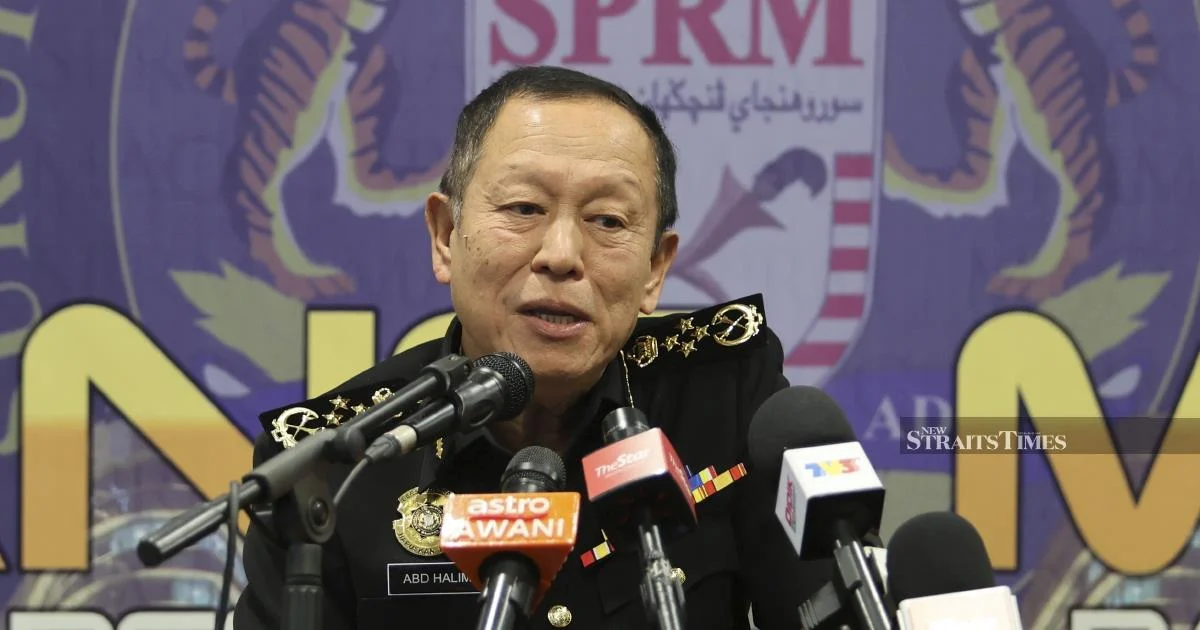
The Malaysian Anti-Corruption Commission has moved to reassure the public that its investigation into Low Taek Jho, the fugitive businessman at the centre of Malaysia's largest financial scandal, remains an active priority despite his disappearance from public view in recent years. MACC leadership has explicitly stated that the probe has never been closed, underscoring the authority's sustained commitment to pursuing the case even as Low remains at large and beyond immediate reach of Malaysian jurisdiction.
This affirmation comes amid international efforts spanning multiple countries in the ongoing hunt for Low, whose alleged role in the 1Malaysia Development Berhad financial debacle has made him one of Asia's most wanted figures. The businessman vanished from Malaysia in 2015 as authorities began closing in on the investigation, and his current whereabouts remain unknown despite coordinated international law enforcement efforts. By keeping the investigation officially open, MACC signals that legal action remains a possibility should Low ever be apprehended or voluntarily return to face charges.
Low's alleged involvement in the 1MDB scandal represents one of the most significant challenges to Malaysian institutional integrity in recent memory. Prosecutors have accused him of orchestrating a complex scheme that involved misappropriating billions of ringgit in public funds, using international banking systems to obscure the money trail across multiple jurisdictions. The case has tested Malaysia's judicial system and its ability to pursue complex financial crimes with international dimensions, revealing both the sophistication of modern corruption and the difficulties inherent in pursuing transnational offences.
The MACC's continued interest reflects Malaysia's broader determination not to allow the passage of time to diminish accountability for high-profile cases of alleged misconduct. Maintaining an active investigation ensures that should circumstances change—whether through diplomatic pressure on countries harbouring the fugitive, new intelligence, or unexpected developments—Malaysia remains positioned to pursue prosecution. This approach also maintains the legal foundation necessary for potential future extradition proceedings should Low's location be identified.
International cooperation remains fundamental to the investigation's continued viability. Multiple countries, including the United States, Singapore, and others, have conducted parallel investigations into aspects of the 1MDB affair. The United States Department of Justice has successfully recovered billions in assets allegedly stolen through the scheme, establishing through civil proceedings the complex web of transactions that characterised Low's financial manoeuvring. These international efforts, while separate from Malaysia's domestic probe, reinforce the global dimension of the scandal.
The significance of maintaining an open investigation extends beyond mere procedural necessity. It represents Malaysia's refusal to treat the matter as historical or settled, keeping institutional pressure on the investigation and ensuring resources remain allocated to the case. For Malaysian stakeholders and the public, the MACC's statement provides assurance that corruption of such magnitude has not been forgotten or shelved due to political or practical constraints. The opaqueness of Low's current situation has not diminished official commitment.
For Southeast Asian readers, the case serves as a cautionary reminder about the vulnerabilities of developing economies to sophisticated financial crimes. The 1MDB affair demonstrated how domestic institutional weaknesses, combined with access to international banking infrastructure, can facilitate extraordinary theft on a national scale. It highlighted the region's ongoing challenges in combating cross-border financial crime and the importance of robust anti-corruption mechanisms and international cooperation frameworks. Malaysia's experience has influenced approaches to governance and financial oversight across the region.
The investigation also reflects broader debates within Malaysia about institutional accountability and the rule of law. The case emerged amid significant political change within the country, with successive administrations approaching the matter with varying levels of prioritisation. The MACC's firm statement about the investigation's ongoing status serves to anchor the pursuit of accountability within institutional continuity, transcending individual political cycles. This institutional approach provides a degree of reassurance that the case remains embedded within Malaysia's governance systems regardless of electoral outcomes.
Low's fugitive status presents ongoing challenges to Malaysian authorities. Without direct access to him, investigation teams must rely on gathering evidence through documentary analysis, witness testimony, and international cooperation. The complexity of reconstructing financial transactions across multiple countries and jurisdictions requires sustained investigative effort and expertise in international finance and banking systems. The MACC's confirmation that investigation remains active indicates that these efforts continue.
Looking forward, the statement carries implications for any potential future developments in the case. Should Low ever be located or brought into legal proceedings, the continuity of the investigation ensures that prosecutorial groundwork remains current and maintained. The investigation's official status also preserves options for Malaysian authorities to pursue various legal avenues, from criminal prosecution to asset recovery initiatives. For the broader international community, Malaysia's stance reinforces the principle that financial crimes of such magnitude will not be abandoned due to the perpetrator's ability to evade immediate capture.

