Malaysia's anti-corruption watchdog will convene regional counterparts this week for a significant gathering aimed at fortifying collaborative efforts to tackle corruption across Southeast Asia. The Malaysian Anti-Corruption Commission (MACC) is hosting the 22nd ASEAN Parties Against Corruption (ASEAN-PAC) Secretariat Meeting in Melaka from July 28 to 30, underscoring the country's role as a driving force in the region's integrity initiatives. The session will be formally opened by MACC Chief Commissioner Datuk Seri Abd Halim Aman, signalling the strategic importance of the three-day event.
This convening represents the second major gathering MACC has organised during its current ASEAN-PAC chairmanship, which runs through 2026. The previous principals-level meeting took place in October, establishing momentum for deeper institutional collaboration. The selection of Melaka as the host city reflects Malaysia's commitment to fostering regional dialogue on pressing governance challenges, and the venue choice also facilitates broader engagement with regional partners stationed across the peninsula.
Delegates from all eleven ASEAN member states with active anti-corruption frameworks will participate, including representatives from Brunei, Cambodia, Indonesia, Laos, Malaysia, Myanmar, the Philippines, Singapore, Thailand, Vietnam, and Timor-Leste, which formally joined the ASEAN-PAC structure last year. This inclusive composition ensures that perspectives from diverse governance contexts inform the discussions, from highly developed financial systems to emerging economies navigating institutional transformation. The breadth of participation reflects how corruption risk transcends borders and development levels across the region.
Beyond ASEAN's own agencies, the meeting attracts significant international participation that shapes global anti-corruption standards. The International Association of Anti-Corruption Authorities (IAACA) will contribute transnational expertise, whilst the United Nations Office on Drugs and Crime (UNODC) brings enforcement experience from multiple continents. The Organisation for Economic Co-operation and Development (OECD) offers analytical frameworks developed through monitoring wealthy nations, whilst the Asian Development Bank (ADB) provides perspective on corruption risks within major infrastructure projects financed across the region. Additionally, the Perdana International Anti-Corruption Champion Foundation (PIACCF) represents Malaysia's own institutional commitment to elevating anti-corruption discourse.
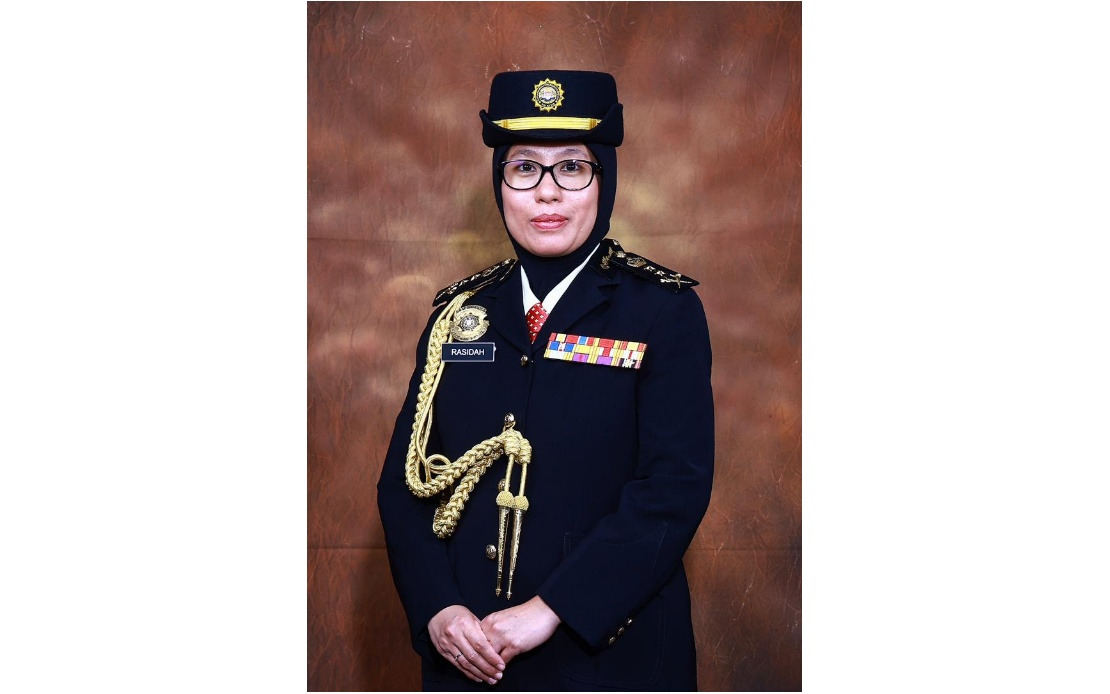
According to Datuk Rasidah Abdul Karim, the MACC's Policy, Planning and Research Division director, the agenda focuses on identifying emerging corruption typologies that challenge existing enforcement models. Member agencies will exchange practical experience in detecting sophisticated schemes that exploit regulatory gaps or technological vulnerabilities. The discussion forum enables smaller agencies to learn from institutional leaders whilst allowing more developed systems to understand evolving threats in less mature markets, creating a genuinely reciprocal learning environment.
Innovative enforcement methodologies will receive particular attention, with participants reviewing successful investigations and prosecution strategies that have generated convictions or asset recovery. Capacity-building initiatives will feature prominently, acknowledging that many ASEAN nations require technical assistance in forensic accounting, digital evidence preservation, and international cooperation mechanisms. The emphasis on prevention reflects growing recognition that deterrence through robust investigation complements institutional reforms that reduce corruption opportunities.
A dedicated seminar examining integrity in major infrastructure projects addresses a critical vulnerability in the region. Large-scale developments funded through government budgets, development bank loans, or public-private partnerships frequently encounter corruption risks affecting project quality, timeline delays, and cost escalation. The seminar will dissect governance mechanisms, procurement transparency standards, and monitoring frameworks that reduce vulnerability to bribery, collusion, or misappropriation. For Malaysia, which continues investing substantially in transportation, energy, and urban development infrastructure, such discussions carry direct relevance to national implementation challenges.
Rasidah emphasised that the meeting reinforces institutional capacity building through collective action aligned with international frameworks. This phrasing signals MACC's orientation toward translating global best practices into ASEAN-specific contexts. Transparency, integrity, and good governance constitute the foundational pillars that these discussions seek to strengthen systematically rather than rhetorically. The emphasis on institutional frameworks rather than individual cases demonstrates sophisticated understanding that lasting corruption reduction requires structural reform.
Beyond formal deliberations, organisers have scheduled cultural programming that serves networking purposes. Foreign delegates will experience Malaysian heritage offerings whilst building professional relationships outside formal sessions. Such informal engagement often generates subsequent bilateral cooperation, information-sharing arrangements, and personal connections that facilitate future collaboration when urgent enforcement situations arise. These networks prove invaluable when investigating cross-border schemes requiring simultaneous action by multiple jurisdictions.
The hosting role reflects Malaysia's sustained commitment to positioning itself as a credible regional leader on governance issues. By managing the ASEAN-PAC secretariat during a two-year term, Malaysia demonstrates institutional capacity, diplomatic credibility, and substantive engagement with anti-corruption priorities. This positioning carries implications for Malaysia's broader international standing, particularly amongst development partners who view governance capacity as integral to economic stability and investment climate quality.
For Southeast Asian readers, this gathering matters because corruption imposes tangible costs on daily life—from inflated public service prices to delayed infrastructure completion to diverted development funds. Regional cooperation mechanisms like ASEAN-PAC create frameworks enabling agencies to pursue transnational cases that individual nations cannot address alone. The meeting therefore represents not merely bureaucratic activity but practical engagement with challenges affecting regional prosperity and institutional legitimacy.

