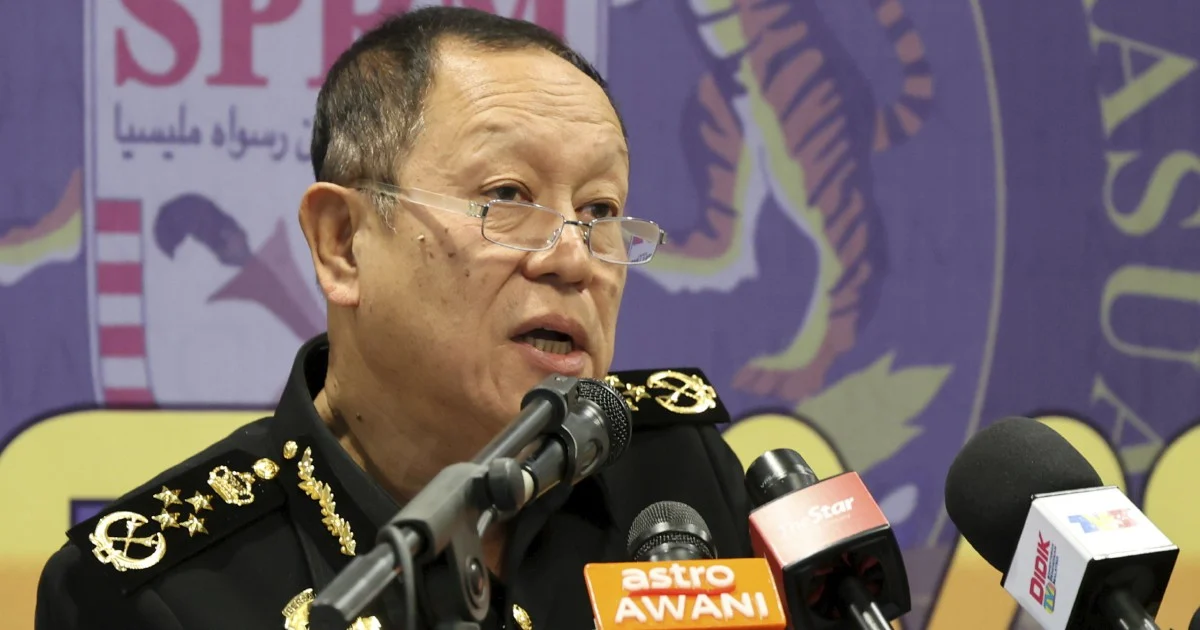
The Malaysian Anti-Corruption Commission has signalled its intention to question multiple individuals as part of an expanding investigation into high-value property acquisitions in the United States that authorities suspect are connected to the sprawling 1Malaysia Development Bhd financial scandal. Among those expected to be interviewed is the spouse of a former Malaysian prime minister, according to sources familiar with the matter.
The investigation represents a fresh chapter in the long-running 1MDB saga, which has already resulted in numerous criminal convictions and sparked international prosecutions across multiple jurisdictions. Rather than focusing exclusively on the initial misappropriation of state development fund money in Malaysia, investigators are now tracing the movement of allegedly stolen capital as it was funnelled into overseas real estate markets, particularly in the United States where such acquisitions have historically attracted significant wealth from Southeast Asia.
Luxury property transactions in American cities have long served as a mechanism for concealing the origins of illicit funds, given the relative opacity of some real estate markets and the availability of shell companies and trusts as purchase vehicles. The MACC's decision to pursue this line of inquiry suggests that investigators have gathered sufficient documentary evidence linking specific properties to funds originating from 1MDB, Malaysia's sovereign wealth fund that was established in 2009 but became synonymous with one of the world's largest financial scandals by the time criminal investigations commenced in 2015.
The involvement of a former prime minister's wife in the questioning signals that the investigation may touch on matters at the highest levels of Malaysian political and business circles. Such developments carry significant implications for Malaysia's ongoing efforts to recover assets abroad and restore confidence in anti-corruption mechanisms. The MACC has demonstrated increasing sophistication in pursuing transnational financial crimes, working closely with foreign counterparts and tracing asset flows across multiple continents, a capability that has strengthened considerably since the initial 1MDB scandal emerged nearly a decade ago.
For Malaysian readers, this development underscores the continuing ramifications of the 1MDB affair, which cost the country billions in development funds and damaged Malaysia's international reputation during the administration in which the scheme flourished. The scandal prompted fundamental questions about governance, regulatory oversight, and the effectiveness of financial institutions in detecting suspicious transactions. Subsequent governments have implemented reforms to anti-corruption agencies and financial oversight mechanisms, though critics argue that enforcement remains inconsistent.
The timing of these inquiries reflects the fact that many 1MDB-related investigations are still in progress internationally. The United States Department of Justice has pursued multiple cases related to funds stolen from 1MDB, resulting in civil asset recovery actions and criminal prosecutions of individuals accused of laundering money through American financial institutions. Malaysia's own legal proceedings have extended over several years, with the complexity of international evidence gathering and extradition procedures creating lengthy timelines between investigation and judicial resolution.
Property acquisitions financed with misappropriated 1MDB funds represent a particularly important investigative avenue because real estate often serves as a final destination for illicit capital seeking legitimacy. Once criminal proceeds are invested in physical property, they become embedded in a jurisdiction's asset base, making recovery significantly more challenging than intercepting funds in transit. American properties purchased during the period when 1MDB was being systematically looted have attracted particular scrutiny from both Malaysian authorities and their American counterparts, especially when acquisition patterns suggest coordinated purchasing strategies designed to distribute ownership across multiple entities and jurisdictions.
The MACC's willingness to question individuals of political prominence demonstrates that investigations into the 1MDB scandal have transcended partisan considerations, at least to some degree. Previous Malaysian governments of different political affiliations have each oversaw portions of the investigation and prosecution process, suggesting that anti-corruption work in this domain has maintained some institutional continuity despite changes in political leadership. This consistency is essential for maintaining international credibility and ensuring that investigations appear independent rather than instrumentalised for political advantage.
Regional implications of the investigation extend beyond Malaysia's borders. Other Southeast Asian nations have experienced their own instances of capital flight and illicit asset acquisition, and the approach taken by Malaysian authorities in pursuing overseas property-related 1MDB cases may establish precedents for how regional investigations of transnational financial crimes should be conducted. Collaborative mechanisms between ASEAN nations and Western law enforcement agencies continue to evolve, with 1MDB investigations serving as practical examples of how such cooperation can be structured and executed.
The investigation's focus on property also highlights broader questions about beneficial ownership transparency in real estate markets. International efforts to require disclosure of true beneficial owners behind property purchases have gained momentum in recent years, particularly following high-profile cases where shell companies and nominee purchasers obscured the origins of funds. Malaysia, along with other countries, has adopted standards designed to improve transparency, though implementation and enforcement vary significantly across jurisdictions and property sectors.
For individuals and entities with potential exposure to questioning by the MACC, the expanding scope of these investigations suggests that remaining sources of information and evidence may still be material to the commission's work. Authorities have indicated that cooperation with investigators can influence the manner in which cases are pursued and potentially the severity of any eventual charges. The emphasis on interviewing rather than immediately charging individuals suggests that the MACC is still consolidating evidence and seeking testimony that might clarify the chain of transactions connecting 1MDB funds to specific American properties.
The investigation also raises questions about asset recovery timelines and the practical challenges of repatriating funds from international locations. Malaysia has achieved some successes in recovering 1MDB-linked assets, but the process typically involves protracted negotiations with foreign governments, civil litigation in overseas courts, and complex procedures for transferring recovered funds back to Malaysia. Property-based recoveries are particularly cumbersome because they often require selling assets in foreign markets while navigating local real estate regulations and ensuring that titles are clear of encumbrances that might have accumulated during the period of illicit ownership.

