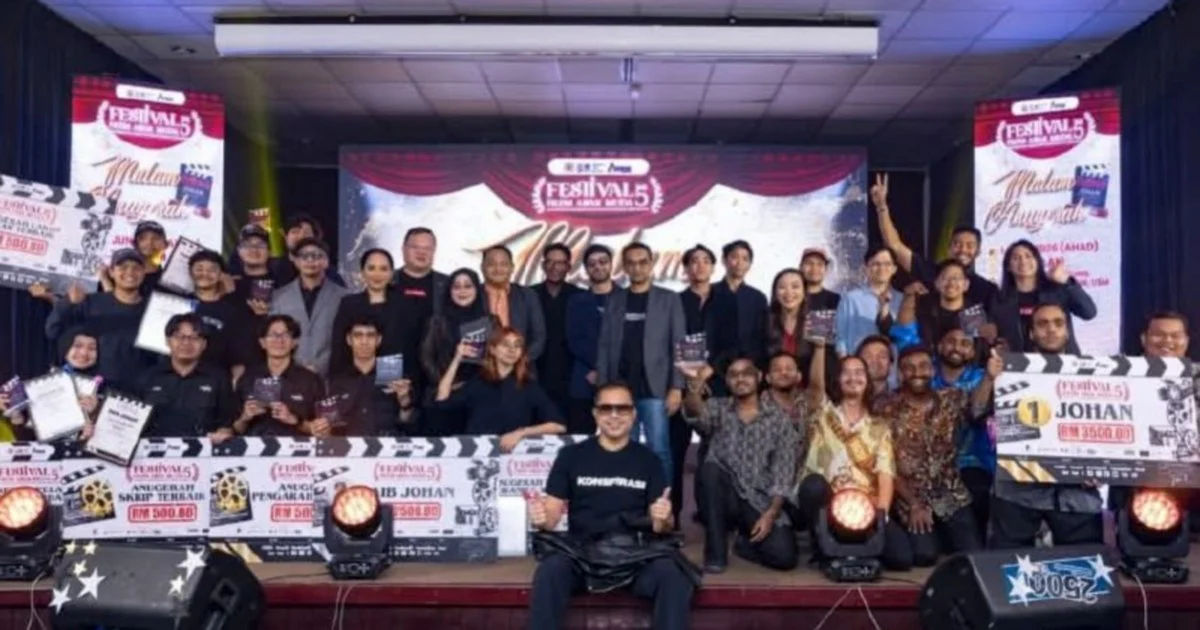
The Malaysian Anti-Corruption Commission (MACC) is pursuing a fresh approach to combating corruption by tapping into the creative medium of cinema, recognizing that young Malaysians increasingly consume messages through visual storytelling rather than traditional public education channels. The anti-graft agency has partnered with Universiti Sains Malaysia (USM) in Penang to co-organize the 5th Youth Film Festival (FFAM), a strategic move that positions film as a vehicle for promoting integrity and raising awareness about the corrosive effects of corruption on Malaysian society.
This partnership reflects a broader understanding within MACC that reaching younger demographics requires innovation beyond conventional enforcement and prosecution. By embedding anti-corruption messaging into a festival environment where students and young film enthusiasts naturally congregate, the commission aims to normalize discussions about ethical conduct and institutional integrity in spaces where young people feel comfortable and engaged. The festival at USM serves as a platform where integrity-building becomes part of cultural discourse rather than perceived as top-down governmental lecturing.
The strategic importance of this initiative cannot be overstated for Malaysia's long-term anti-corruption trajectory. Research consistently demonstrates that values and attitudes towards corruption are largely formed during formative years, making interventions targeting university students and younger age groups considerably more impactful than efforts directed at established professionals already embedded in workplace cultures. By cultivating ethical consciousness early, MACC invests in creating a generation less susceptible to corrupt practices and more likely to resist participating in or enabling corrupt systems.
Film as a medium offers particular advantages for conveying anti-corruption messages to skeptical or disengaged audiences. Unlike formal training sessions or regulatory documents, cinema can present ethical dilemmas through compelling narratives, complex characters, and emotionally resonant storytelling that makes abstract principles about integrity tangible and relatable. Young filmmakers themselves become vectors for anti-corruption messaging, as the festival likely encourages participants to explore themes of institutional accountability, whistleblowing, and the societal costs of corruption through their own creative work.
The Youth Film Festival framework also creates space for peer-to-peer learning and dialogue among participants. When young people discuss films dealing with corruption themes with their contemporaries, the conversations generate grassroots understanding of why integrity matters, divorced from perceptions of government moralizing. This peer-driven discourse frequently proves more influential on young people's values than authority-based messaging.
For the MACC specifically, this collaboration expands institutional reach into university communities across Malaysia. Higher education institutions represent concentration points of future leaders, professionals, and decision-makers across sectors from corporate management to public service. Building relationships with university audiences now potentially creates constituencies more sympathetic to the commission's work and more likely to support robust anti-corruption efforts as they advance into positions of influence.
The Penang location carries additional significance within Malaysia's political and administrative landscape. As a major economic center with substantial tourism and technology sectors, Penang represents an area where corruption can create particularly damaging ripple effects across industries and trading partners. Intensifying anti-corruption awareness in this region carries direct implications for commercial integrity and investor confidence.
Beyond individual attitude-shifting, initiatives like the Youth Film Festival serve important signaling functions about MACC's institutional priorities and operational philosophy. By investing resources in creative engagement and youth outreach, the commission demonstrates commitment to prevention and values-building rather than reactive punishment. This approach may gradually shift public perception of the MACC from enforcement agency to broader advocate for institutional reform and cultural change.
The festival format also enables MACC to gather insights into how younger generations conceptualize corruption and integrity. The films submitted, discussions generated, and feedback collected provide invaluable data about youth perceptions, emerging vulnerabilities to corrupt influence, and which messages most effectively resonate. This intelligence can inform future anti-corruption strategy and messaging.
However, the effectiveness of such initiatives ultimately depends on sustained engagement and integration with broader institutional efforts. A single festival, regardless of quality, cannot reshape cultures deeply embedded in organizational hierarchies, political patronage networks, and entrenched practices. MACC's film festival partnership gains significance primarily when positioned as one component of comprehensive anti-corruption strategy incorporating legislative reform, institutional accountability mechanisms, and consistent enforcement.
The collaboration with USM also reflects recognition that combating corruption requires participation from multiple institutional sectors. Universities contribute research capacity, student networks, and cultural authority that government agencies alone cannot mobilize. This partnership model potentially establishes template for future MACC collaborations with other civil society organizations, educational institutions, and creative sectors.
Looking forward, the success of the 5th Youth Film Festival will likely be measured not merely by attendance or media coverage but by longer-term behavioral and attitudinal changes among participants. Whether young filmmakers subsequently incorporate anti-corruption themes into professional work, whether festival attendees demonstrate increased engagement with anti-corruption advocacy, and whether the initiative spawns similar creative initiatives at other Malaysian universities will indicate whether this strategic investment generates meaningful impact on Malaysia's anti-corruption landscape.