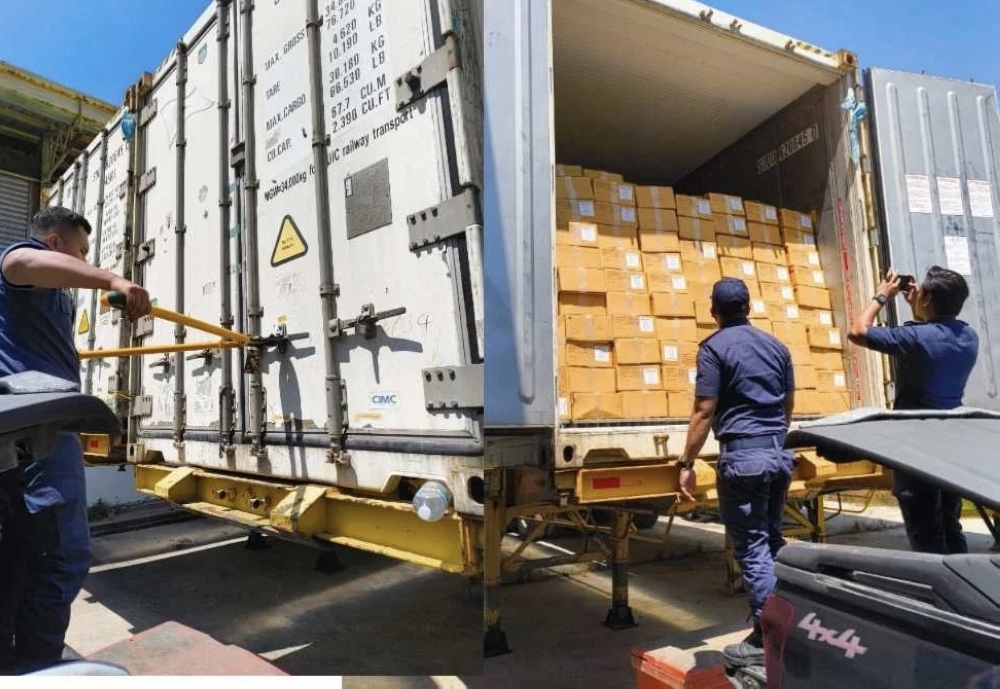
The Malaysian Anti-Corruption Commission has dismantled an organised smuggling operation trafficking illegal frozen chicken from China through Sabah, marking another significant blow against food safety violations and corruption in the nation's supply chains. The enforcement action resulted in the arrest of three suspects believed to be key players in the scheme, which investigators say operated systematically to circumvent food import regulations and customs procedures.
The syndicate's operations represent a troubling intersection of corruption and public health risks that has drawn heightened scrutiny from authorities across the region. By channelling prohibited poultry products into Malaysia's market, the network exposed consumers to goods that bypassed mandatory health and safety inspections, raising questions about the integrity of food security measures at critical entry points. Sabah's geographic position as a gateway between international waters and Malaysian territory has historically made it vulnerable to smuggling operations targeting various commodities, but the discovery of a coordinated frozen chicken ring suggests increasingly sophisticated criminal networks are exploiting these vulnerabilities.
Investigators believe the operation involved complicity at multiple levels, including potential collaboration among port officials, logistics intermediaries, and downstream distributors who helped move the contraband stock into commercial channels. The illegal importation of Chinese frozen poultry directly undercuts legitimate Malaysian poultry producers and importers who operate within regulatory frameworks. Beyond commercial competition, the scheme poses undisclosed risks to end consumers, as smuggled products typically lack traceability documentation, proper refrigeration records, and certification of veterinary inspection standards that domestic and legally imported chicken must meet.
The timing of this operation reflects broader regional concerns about food authenticity and safety amid growing cross-border trade. Southeast Asian nations, including Malaysia, have experienced recurring incidents involving mislabelled or falsified origin documentation for food imports, making vigilance essential. The discovery in Sabah underscores why enforcement agencies must maintain operational capacity to detect such networks before smuggled goods reach widespread distribution. Each interception prevents potentially contaminated or substandard products from reaching households across the country, though authorities acknowledge that detection rates likely represent only a fraction of total smuggling attempts.
The arrest of three individuals signals that investigations are progressing into identifying the full scope of the organisation, potentially extending to identify higher-level coordinators and financiers directing the smuggling route. MACC's involvement indicates suspicion that corruption facilitated the operation, whether through bribery of customs personnel, falsification of import permits, or collusion with port authorities. Such cases are particularly sensitive because they erode public confidence in regulatory institutions meant to safeguard food supplies and maintain fair trade conditions. The commission's pursuit of corruption angles distinguishes this from routine smuggling cases, suggesting investigators believe systemic institutional failures enabled the network's expansion.
Malaysia's reliance on imported poultry to meet domestic demand creates market conditions that can attract illicit operators seeking to bypass tariffs and regulatory costs. Legal frozen chicken imports from approved sources contribute substantially to food security and affordability across the country. Smuggled alternatives undercut legitimate suppliers' pricing, distorting market competition and incentivising further illegal activity. The poultry sector's sensitivity to supply disruptions makes it an attractive target for criminal networks willing to exploit weak enforcement periods or corruption vulnerabilities.
The broader implications extend to regional food security frameworks, as smuggling networks often operate across multiple jurisdictions, coordinating suppliers in origin countries with distribution partners across Southeast Asia. Intelligence sharing among ASEAN member states' customs and health agencies remains critical but inconsistent, allowing syndicates to exploit gaps in cross-border oversight. This particular operation's focus on Chinese-origin product reflects global patterns where certain source countries face recurring suspicions about compliance with importing nations' health standards, though legitimate trade from these sources also occurs in substantial volumes.
For Malaysian consumers, such busts provide reassurance that enforcement agencies are actively protecting food supply integrity, though the revelation of any successfully operated syndicate inevitably raises questions about how many similar operations may remain undetected. Retailers and food service businesses should remain vigilant about verifying supplier credentials and import documentation, particularly for lower-priced bulk purchases that may seem suspiciously undercosted. Industry associations have roles to play in promoting voluntary compliance and reporting suspicious trading patterns that suggest potential smuggling activity.
Looking forward, this case will likely inform discussions within Malaysia's food security and customs modernisation initiatives, potentially spurring investment in detection technology and inter-agency coordination mechanisms. The incident demonstrates that combating organised smuggling requires sustained commitment beyond individual enforcement actions, encompassing institutional reforms that reduce corruption vulnerabilities and strengthen the detection capabilities of frontline agencies. As regional trade continues expanding, maintaining vigilance against food smuggling will remain an ongoing priority for protecting both consumer welfare and legitimate industry participants.

