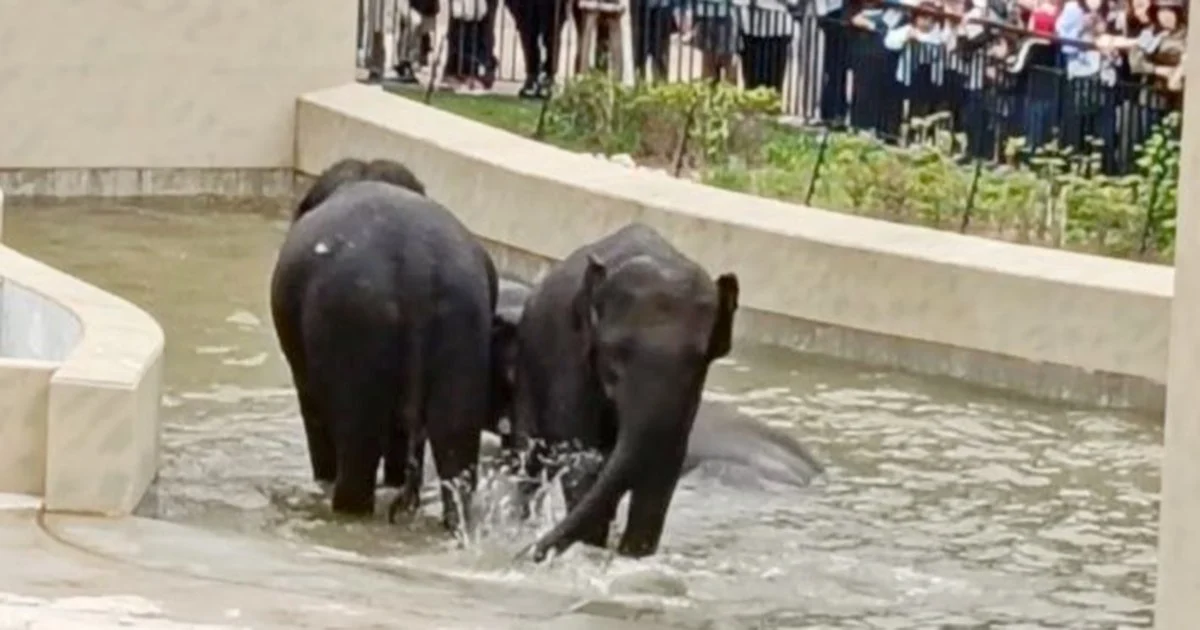
The Malaysian Anti-Corruption Commission has launched an investigation into the Taiping Municipal Council regarding its decision to transfer three elephants to Tennoji Zoo in Japan, though the current phase of the inquiry is restricted to scrutinising documentary evidence rather than conducting broader investigative fieldwork.
This restrained approach reflects MACC's initial methodology in examining the transaction, which sparked considerable public debate and animal welfare concerns when it was announced. The decision to move the three elephants internationally raised questions about procurement procedures, approval processes, and potential irregularities in how the municipal council handled the matter. By beginning with a comprehensive document review, MACC aims to establish a factual foundation before determining whether further investigative steps are warranted.
The Taiping Municipal Council's involvement in arranging the elephant transfer became a matter of public interest partly because such decisions typically involve multiple stakeholders and approvals. The documentary review stage allows MACC investigators to examine correspondence, contract agreements, funding allocations, and official communications that would illuminate the decision-making process. This phase is crucial in determining whether proper procedures were followed and whether any individuals acting on behalf of the council may have deviated from established protocols.
Tennoji Zoo in Osaka, Japan, has been the recipient of various wildlife from different countries, and such international transfers are subject to numerous regulations covering animal welfare, conservation standards, and international agreements. The documentation MACC is reviewing would likely include agreements between the Taiping Municipal Council and Japanese counterparts, veterinary assessments of the elephants, transportation arrangements, and financial records related to the transaction. These materials form the essential evidence base for assessing whether the process was conducted transparently and appropriately.
The three elephants involved in the transfer represent significant assets for the Taiping Zoo, which previously housed them. Their relocation generated considerable discourse in Malaysia regarding animal conservation priorities, zoo management practices, and whether such decisions should be subject to greater public scrutiny. Animal welfare groups and concerned citizens questioned whether the transfer served legitimate conservation objectives or whether other considerations may have influenced the municipal council's decision-making.
MACC's document-focused investigation reflects the commission's standard protocol for handling complex administrative matters where the primary concern involves potential misuse of authority or irregularities in financial dealings rather than allegations requiring undercover operations or witness interviews. This methodical approach allows investigators to map out the transaction's trajectory and identify any points where procedures may have been circumvented or where decisions lack adequate justification.
The scope of the investigation, at least in its current phase, remains narrow in terms of active investigative techniques. However, this does not preclude the possibility that MACC may escalate its efforts should the documentary review reveal inconsistencies, missing approvals, or evidence suggesting misconduct. The commission retains discretion to expand the investigation to include formal interviews, site inspections, or expert consultations depending on what the documents reveal.
For the Taiping Municipal Council, this investigation represents a significant development requiring cooperation with the anti-corruption body. The council must provide all relevant documentation promptly and accurately to facilitate MACC's review. Any obstruction or failure to produce requested materials could trigger additional complications and scrutiny. The council's management has responsibility to demonstrate that the elephant transfer decision followed proper governance standards and that all approvals were obtained through appropriate channels.
The international dimensions of the elephant transfer add complexity to the investigation. Coordinating with Japanese authorities and understanding bilateral agreements governing such transfers may become necessary if MACC's document review identifies substantive questions. Malaysian authorities would need to verify that all necessary international protocols were observed and that the receiving institution met relevant standards.
This investigation also reflects broader concerns about governance and accountability in Malaysian municipal administration. Decisions involving significant assets or public resources deserve transparent processes and documented justification, particularly when they attract public attention. The MACC's involvement signals that such matters will not escape scrutiny regardless of their nature or profile.
The outcome of the document review will determine the investigation's trajectory. Should MACC uncover evidence suggesting corruption, misconduct, or procedural violations, the commission may recommend disciplinary action against individuals involved or refer findings to relevant authorities for prosecution. Conversely, if the documentary review establishes that proper procedures were followed and the decision was justified, MACC may conclude its investigation.
For Malaysian readers and stakeholders in animal welfare or municipal governance, this investigation underscores the importance of transparent processes in institutional decision-making. It also demonstrates MACC's commitment to examining administrative matters systematically, beginning with accessible evidence before proceeding to more invasive investigative techniques. The ultimate findings, once available, will provide insight into whether the Taiping elephant transfer met acceptable governance standards or whether significant irregularities occurred.

