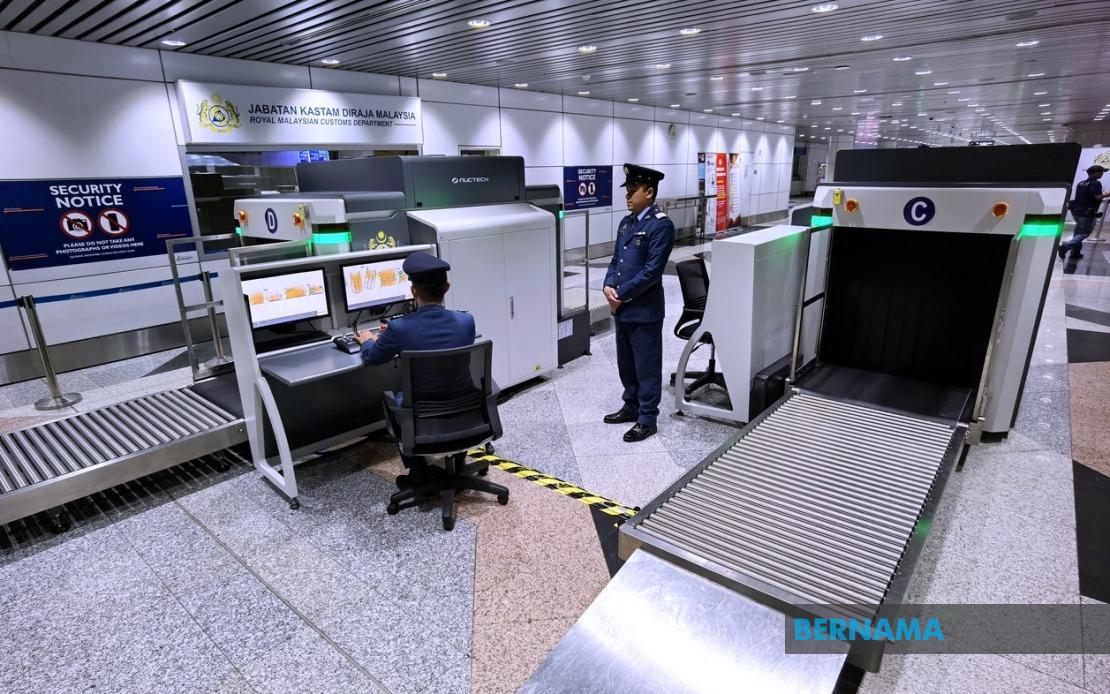
Malaysia Airports Holdings Bhd (MAHB) has reinforced its dedication to working alongside enforcement agencies in protecting the nation's borders, particularly in the wake of recent developments involving a Malaysian commercial pilot arrested in Indonesia on alleged narcotics trafficking charges. The airport operator, which manages Kuala Lumpur International Airport (KLIA), committed to furnishing any necessary assistance related to the case and pledged to strengthen its collaborative relationship with relevant authorities to tighten security measures across the nation's busiest aviation hub.
On July 29, Indonesian authorities apprehended a 39-year-old Malaysian pilot upon his arrival, with officials recovering approximately 70,114 ecstasy tablets and four grammes of methamphetamine valued at Rp60 billion. Preliminary investigations by Indonesian law enforcement suggest the suspect may have engaged in multiple previous narcotics smuggling operations and potentially maintains connections to a broader international drug trafficking organisation. Investigators are actively working to identify additional syndicate members and the intended distribution network for the confiscated substances, indicating the seriousness of the allegations and the transnational scope of the investigation.
MAHB's statement distinguishes between its core aviation security responsibilities and the broader law enforcement mandate that extends to drug interdiction. The airport operator's Aviation Security (AVSEC) division concentrates specifically on preventing activities that could compromise civil aviation safety, deploying state-of-the-art screening technologies designed to identify explosives, firearms, and other implements that pose immediate threats to aircraft and passengers. This distinction is crucial for understanding the division of labour between airport security personnel and dedicated drug enforcement units.
The detection and prosecution of narcotics offences that do not directly endanger aviation operations remain the responsibility of the Royal Malaysia Police (PDRM) and the Royal Malaysia Customs Department, which possess the statutory authority and investigative capabilities required for such cases. Similarly, the Department of Wildlife and National Parks maintains jurisdiction over wildlife trafficking matters that may occur within airport premises. MAHB functions in a supporting capacity, facilitating information exchange and operational coordination while these agencies exercise their enforcement prerogatives according to applicable legal frameworks.
The baggage handling infrastructure at KLIA incorporates rigorous security protocols as foundational design principles, ensuring that all checked luggage—whether belonging to ordinary passengers or airline crew members—undergoes mandatory aviation security screening procedures before departure. This comprehensive approach reflects international civil aviation standards and demonstrates the multilayered security ecosystem that operates at the airport. The screening systems remain calibrated to detect threats relevant to aviation safety, while intelligence gathering regarding contraband and illicit substances flows through separate channels involving customs and police authorities.
Data released by MAHB reveals the scale of cooperative enforcement activities at the airport during the first seven months of 2024. The AVSEC team and PDRM jointly thwarted more than thirty attempted smuggling operations involving controlled substances through KLIA between January and July. This figure underscores both the persistent threat posed by organised trafficking networks attempting to exploit aviation pathways and the effectiveness of coordinated detection efforts when airport security and police agencies function in tandem. The frequency of interceptions suggests that KLIA remains an attractive target for smuggling operations, necessitating sustained vigilance and resource commitment.
The incident has also triggered regulatory scrutiny from the Civil Aviation Authority of Malaysia (CAAM), which has commenced a formal investigation to establish whether aviation security protocols were appropriately implemented throughout the relevant processes. CAAM Chief Executive Officer Datuk Capt Norazman Mahmud indicated that the assessment would encompass the airline's adherence to aviation security regulations and the airport operator's screening effectiveness. This regulatory review addresses governance questions distinct from the criminal investigation pursued by Indonesian authorities, focusing on whether Malaysian stakeholders maintained compliance with established procedures rather than investigating criminal culpability.
For Malaysia's aviation industry, the case presents a significant reputational and operational challenge. Commercial pilots occupy positions of substantial trust and responsibility, and involvement in international drug trafficking raises concerns about vetting procedures, staff monitoring, and the cultural environment within airlines. The arrest demonstrates that determined individuals with legitimate access to secure areas of airports represent a distinct vulnerability that security screening systems alone cannot entirely mitigate. Airlines must consequently maintain rigorous personnel integrity programmes and foster workplace cultures that discourage participation in illegal activities.
The transnational dimensions of this case highlight the interconnectedness of Southeast Asian drug trafficking networks and the necessity for coordinated regional responses. Indonesian authorities' findings suggesting connections to an international syndicate indicate that Malaysian airspace and KLIA's connections to global transport networks make the country attractive to trafficking organisations seeking to move narcotics across borders. The involvement of airline crew members specifically targets a security gap—individuals with legitimate reasons to access restricted areas and transport baggage—that border agencies across the region must systematically address through enhanced background investigations and behavioural monitoring.
MAHB's emphasis on continued cooperation signals institutional commitment to supporting enforcement priorities alongside commercial operations. This balancing act requires airports to invest in security infrastructure and personnel while facilitating the efficient movement of passengers and cargo that generates revenue. The airport operator's explicit acknowledgment of law enforcement agencies' roles and its pledge to assist investigations demonstrate recognition that border security constitutes a shared responsibility involving multiple institutions with complementary expertise and legal authorities.
Looking forward, the case may prompt discussions regarding intelligence sharing protocols between Malaysian and Indonesian authorities, the adequacy of airline personnel vetting procedures, and the effectiveness of AVSEC screening methodologies in detecting drug smuggling attempts by individuals with legitimate airport access. Regional aviation authorities may also consider whether additional measures targeting crew members—such as enhanced baggage verification or random screening protocols—warrant implementation. The incident serves as a reminder that maintaining aviation security requires constant adaptation to emerging threats and vulnerabilities, even when those threats originate from within the trusted personnel categories essential to airport operations.

