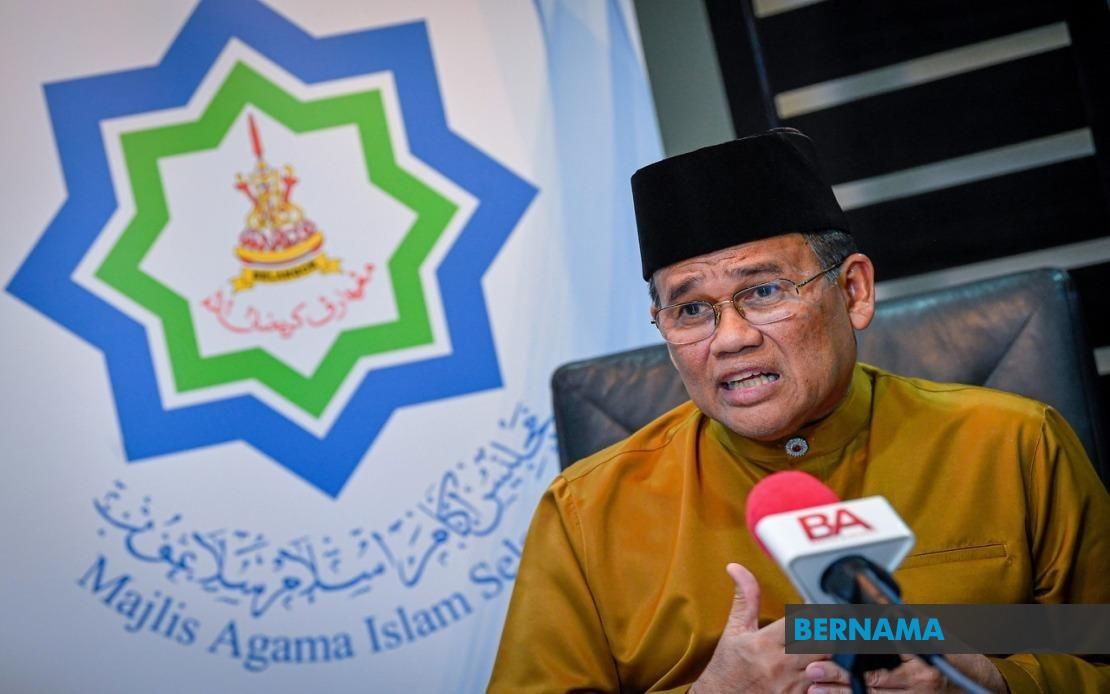
The Selangor Islamic Religious Council (MAIS) has convened an emergency gathering to address serious concerns surrounding delays in a Muslim burial at Ukay Perdana Muslim Cemetery in Hulu Kelang. The meeting will bring together the deceased's relatives, officials from Masjid Nurul Hidayah in Kampung Pandan Dalam, the Salatulrahim Welfare Organisation, and representatives from the Selangor Islamic Religious Department to find workable solutions to the dispute and prevent similar problems in future.
MAIS chairman Datuk Salehuddin Saidin framed the initiative as an effort to achieve equitable outcomes for all stakeholders while safeguarding the dignity of Islamic funeral practices. The council recognises the gravity of the situation and the distress imposed on the grieving family during an already painful period. By facilitating dialogue among all parties with direct involvement, MAIS aims to establish clarity about what transpired and determine whether systemic weaknesses exist in how Muslim burials are currently managed.
The statement issued by Salehuddin acknowledged the family's suffering and conveyed deep sympathy for their experience. MAIS pledged that if investigation findings reveal any wrongdoing—whether criminal, negligent, or stemming from miscommunication—appropriate consequences would follow. This commitment signals that MAIS takes accountability seriously and will not shield responsible parties from answerability, regardless of their institutional position.
Police investigations are currently underway, having received separate reports from the mosque management, the deceased's family, and the Salatulrahim Welfare Organisation. The Selangor Islamic Religious Department had earlier released preliminary findings based on information supplied by mosque administrators. Rather than prejudging outcomes, MAIS emphasised the importance of allowing law enforcement to pursue its inquiries independently and objectively, protecting the integrity of the process.
Beyond the immediate incident, MAIS signalled broader institutional reform. The council intends to conduct a comprehensive review of how Islamic funeral and burial protocols are executed across mosque facilities. This assessment will identify deficiencies in current systems and recommend improvements to ensure Muslim deceased are managed with appropriate care, strict adherence to Islamic requirements, and professional standards. The initiative reflects recognition that individual cases often expose deeper procedural vulnerabilities.
For Malaysian Muslim communities, especially in Selangor where MAIS exercises substantial religious oversight, the episode underscores the interconnection between faith practice and administrative execution. Funeral rites hold profound spiritual and emotional significance; delays or mishandling strike at the heart of Muslim dignity and Islamic observance. MAIS's intervention demonstrates willingness to treat such matters with the seriousness they deserve rather than dismissing them as administrative trivialities.
The involvement of multiple organisations—the mosque, welfare body, religious department, and now MAIS itself—reflects the distributed responsibility that characterises Malaysia's Islamic institutional framework. Coordination failures among these entities appear central to understanding what occurred. By bringing representatives together, MAIS creates accountability mechanisms and fosters understanding of respective roles and obligations throughout the funeral and burial process.
Salehuddin's appeal to the Muslim community to strengthen unity and brotherhood (ukhuwah) during this episode carries particular weight. Burial disputes risk fracturing community cohesion if permitted to fester or escalate into protracted hostilities. By framing the resolution process as an opportunity to reaffirm collective values rather than assign blame, MAIS attempts to channel frustration toward constructive improvement rather than deepening divisions.
The council's determination to examine management procedures across mosque operations addresses a critical gap. Many Islamic institutions rely on traditional arrangements that may not accommodate modern administrative demands or provide adequate grievance mechanisms. Standardised protocols, transparent communication channels, and clear delineation of responsibilities could prevent future incidents where families feel abandoned during vulnerable moments.
For Malaysians navigating the funeral system, this episode illuminates potential vulnerabilities within existing arrangements. Understanding which organisations bear responsibility, what recourse exists for families experiencing problems, and how to escalate concerns become increasingly important as urban populations grow and administrative complexity increases. MAIS's proactive stance suggests recognition that Islamic communities deserve professional, responsive funeral services.
The investigation's outcome will determine whether systemic failures existed or whether isolated miscommunication caused the delay. Either finding will inform MAIS's review process and subsequent reforms. Procedural improvements emerging from this incident may benefit Muslim communities across Selangor and potentially influence how other states approach funeral administration within Islamic frameworks.
Ultimately, the urgency conveyed by MAIS reflects institutional understanding that burial delays strike at fundamental human and religious needs. The council's multi-stakeholder approach and commitment to systematic improvement suggest that Malaysian Islamic leadership recognises funeral administration demands the same professional standards expected in other critical public services. How effectively these reforms take root will indicate whether Malaysian Muslim communities can expect consistently dignified treatment during their most vulnerable times.

