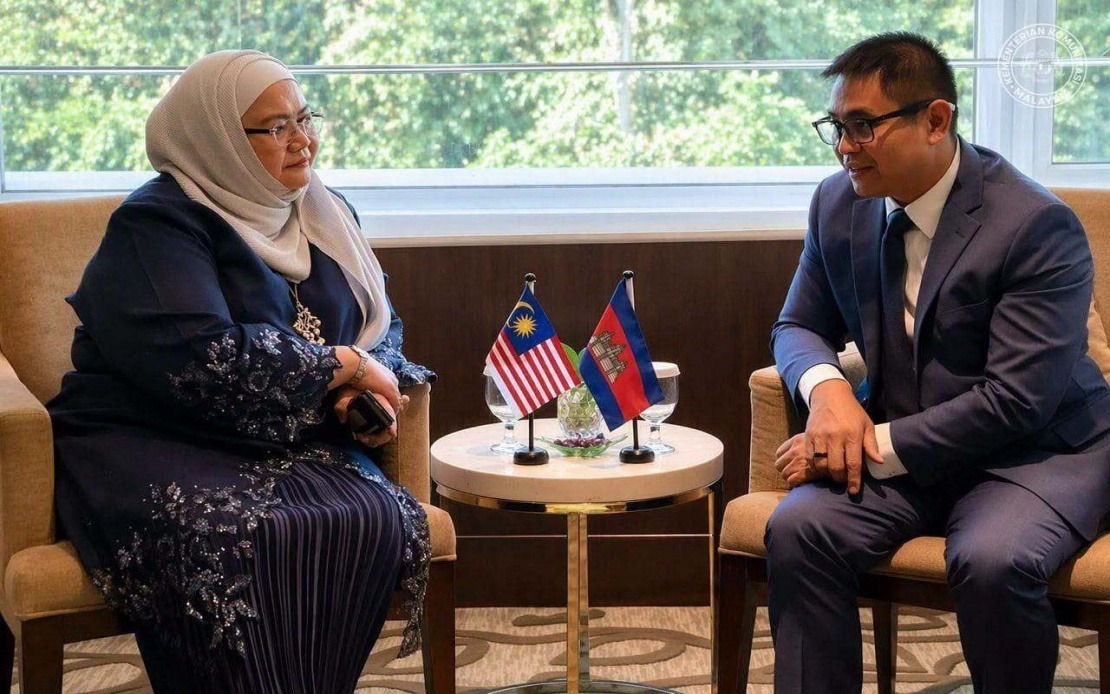
Malaysia and Cambodia have initiated concrete discussions on implementing their recently concluded Memorandum of Understanding governing cooperation in information and media development, marking a significant step in deepening strategic ties between the two neighbouring nations. The bilateral meeting, convened on the margins of the 23rd ASEAN Senior Officials Responsible for Information Meeting held in Bandar Seri Begawan, Brunei, reflects both countries' commitment to forging closer partnerships in an era when digital communications and media landscapes are undergoing rapid transformation across the region.
The framework agreement was formally signed on June 20 by Communications Minister Datuk Fahmi Fadzil and Cambodian Information Minister Neth Pheaktra's representative, Secretary of State Prak Thaveak Amida. This development builds upon the celebration of National Journalists' Day in Penang, where initial discussions around the MoU took place, demonstrating how regional and national forums serve as catalysts for bilateral diplomacy. The agreement encompasses a broad spectrum of collaborative initiatives, positioning both nations to leverage each other's experiences and capabilities in navigating contemporary media challenges.
The Malaysian delegation to the bilateral meeting was led by Deputy Secretary-General for Strategic Communications and Creative Industry Datuk Bahria Mohd Tamil, underscoring the importance Kuala Lumpur places on this engagement. The presence of senior-level officials from the Ministry of Communications signifies that media cooperation with Cambodia forms part of a broader strategic framework within Malaysia's regional communications policy. Similarly, Cambodia's representation through its Ministry of Information hierarchy illustrates the priority Phnom Penh attaches to strengthening these institutional linkages.
During their substantive discussions, both delegations explored multiple dimensions of potential cooperation that extend well beyond traditional media exchange. Information integrity and combating misinformation emerged as critical focal points, reflecting shared concerns across Southeast Asia about maintaining truthful, reliable media environments in increasingly digital societies. Digital transformation initiatives also featured prominently, as both nations grapple with modernising their respective media infrastructure and regulatory frameworks to accommodate rapid technological change.
The emphasis on information integrity is particularly significant for Southeast Asian readers. The region has witnessed mounting challenges from disinformation campaigns, foreign interference, and the weaponisation of social media platforms. By establishing bilateral mechanisms through this MoU, Malaysia and Cambodia are attempting to create early-warning systems and coordinated responses to threats that transcend national borders. This approach recognises that media and information challenges in one country inevitably ripple across the region, affecting stability, public trust in institutions, and the health of democratic discourse.
Median development cooperation between the two nations encompasses capacity-building, training initiatives, and the exchange of best practices in journalism standards, regulatory frameworks, and technological innovations. Malaysia's relatively mature media industry and regulatory experience can offer valuable insights to Cambodia, while Cambodia's unique cultural and operational context provides lessons for Malaysia's engagement with diverse Southeast Asian audiences. Such bilateral cooperation serves as a microcosm of how ASEAN nations increasingly recognise that many contemporary challenges demand shared solutions and coordinated policy responses.
The broader context of this agreement reflects Malaysia's strategic positioning within ASEAN. By actively deepening bilateral relationships on communications and media matters, Malaysia demonstrates commitment to multilateral cooperation frameworks that extend beyond formal ASEAN platforms. The 23rd ASEAN Senior Officials Responsible for Information Meeting, where this bilateral session occurred, itself functions as an umbrella structure enabling such substantive country-to-country engagement. This nested approach to diplomacy—bilateral discussions within multilateral forums—has become characteristic of how Southeast Asian nations manage their complex web of relationships.
For Malaysian media organisations, this MoU creates potential opportunities for collaborative journalism projects, joint training programmes, and capacity-building ventures with Cambodian counterparts. Publishers and broadcasters may find new avenues for content sharing, technical expertise transfer, and audience development in neighbouring markets. The agreement implicitly endorses the value of cross-border media cooperation as a means of strengthening professional standards across the region while building sustainable commercial relationships.
The implementation phase now becomes critical. Both nations have signalled their intention to move beyond declaratory statements toward concrete action. The specifics of how Malaysia and Cambodia will operationalise the MoU—through joint working groups, regular meetings, specific projects, and resource allocation—will determine whether this agreement becomes a catalyst for genuine transformation in bilateral media relations or remains largely symbolic. The commitment to addressing evolving media landscape challenges suggests both countries recognise that their media sectors face common pressures and can benefit from coordinated responses.
Looking forward, this bilateral framework may serve as a model for Malaysia's engagement with other ASEAN partners on communications matters. As the region continues navigating the complexities of digital transformation, information security, and maintaining media pluralism amid technological disruption, structured bilateral cooperation on these fronts becomes increasingly valuable. Malaysia's proactive role in deepening such partnerships with Cambodia positions it as a constructive player in regional communications governance, contributing to the broader ASEAN objective of enhancing cooperation across all sectors.

