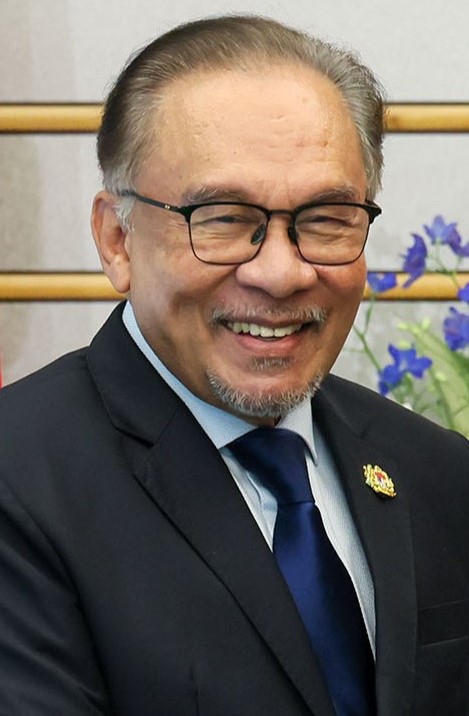
Malaysia is moving to deepen its academic engagement with Palestine through expanded cooperation frameworks in higher education, according to statements made by Higher Education Minister Datuk Seri Dr Zambry Abd Kadir during a high-level discussion this week. The minister received Palestinian Ambassador to Malaysia Jehad Alqedra for talks that underscored both nations' shared commitment to using education as a vehicle for development and nation-building in the Palestinian territories.
The bilateral discussion, which took place at the ministry's headquarters, highlighted education as a strategic area where Malaysia can meaningfully support Palestine's long-term recovery and institutional strengthening. Rather than viewing academic cooperation as merely symbolic, both sides framed it as a practical mechanism through which Malaysian universities can contribute expertise and resources to Palestinian higher education institutions. The conversation reflected Malaysia's broader diplomatic positioning in the Middle East as a nation that leverages soft power through educational partnerships.
Datuk Seri Dr Zambry articulated Malaysia's philosophical approach to educational engagement, emphasizing that knowledge transfer serves as a foundation for social reconstruction. His statement that "education is a bridge of hope, peace and the future" encapsulates a worldview increasingly prevalent in Malaysian foreign policy: that academic collaboration can transcend political obstacles and create sustainable channels for cross-border development. This framing allows Malaysia to demonstrate solidarity with Palestine while grounding such support in tangible, institution-to-institution activities rather than purely political gestures.
The discussion centred on several concrete areas of potential expansion. Foremost among these was the question of how Malaysia could enhance its support infrastructure for Palestinian students currently studying in the country. Malaysia has long positioned itself as an educational hub for international students from the Middle East and Muslim-majority regions, and Palestinian students represent an important constituency within this broader educational diplomacy initiative. Strengthening services and institutional support for these students sends a signal of commitment beyond mere tuition and enrolment.
Equally significant is the initiative to explore direct university-to-university partnerships between Malaysian and Palestinian institutions. Such formal arrangements can take multiple forms: faculty exchange programmes, joint research projects, capacity-building workshops for academic administrators, or collaborative curriculum development. For Malaysian universities, particularly those with established research strengths in fields like engineering, medicine, and environmental science, these partnerships offer opportunities to contribute meaningfully to Palestinian institutional development. For Palestinian universities, access to Malaysian expertise and resources can help accelerate recovery and modernization efforts.
The timing of this high-level engagement is noteworthy given regional dynamics and Malaysia's consistent advocacy for Palestinian causes within international forums. By institutionalizing cooperation through education, Malaysia reinforces its rhetorical commitments with substantive action. This approach has several strategic advantages: it maintains diplomatic visibility and demonstrates solidarity, while simultaneously building people-to-people connections that transcend geopolitical tensions. Educational partnerships create long-term networks of Malaysian-educated Palestinian professionals who may later shape their nation's development trajectory.
From Malaysia's perspective, deepening ties with Palestinian institutions also aligns with the country's broader positioning as a bridge-builder in Muslim-world affairs and as a leader in South-South cooperation frameworks. By expanding educational linkages with Palestine, Malaysia demonstrates that academic diplomacy remains a viable tool even in contexts of geopolitical complexity. This model has applicability across Malaysia's relations with other nations facing developmental challenges or political instability.
The commitment to strengthen support for Palestinian students studying in Malaysia carries practical implications. This encompasses everything from enhanced counselling services and community support networks to scholarship expansion and internship opportunities that can build professional networks. Malaysian universities hosting Palestinian students have an opportunity to differentiate themselves as institutions genuinely invested in their wellbeing and academic success, not merely their tuition fees. Such institutional commitment can also enhance Malaysia's reputation across the broader Palestinian diaspora and Middle Eastern educational markets.
The Palestinian Ambassador's courtesy visit itself represents an important diplomatic signal. Ambassadorial-level engagement on educational matters underscores that both governments view this arena as substantive rather than peripheral. This elevates education cooperation above the level of routine university administrator discussions into the realm of formal bilateral relations, potentially facilitating government-level support such as facilitated visa processing, research funding, or official recognition of academic credentials.
Looking forward, the success of these initiatives will depend on concrete follow-up mechanisms. Malaysian universities will need to develop specific partnership proposals and action plans, while Palestinian institutions must be positioned to meaningfully engage with Malaysian counterparts. Government support through funding mechanisms, official protocols, and administrative facilitation will be essential to move from rhetorical commitment to sustained institutional cooperation. The Higher Education Ministry's involvement suggests such mechanisms may indeed be forthcoming.
For Southeast Asian observers, Malaysia's educational diplomacy toward Palestine offers instructive lessons about how regional nations can project soft power and advance foreign policy objectives through institutional channels. Rather than relying solely on political statements or aid packages, Malaysia is building networks of cooperation rooted in the self-interest of educational institutions and the mutual benefits of knowledge exchange. This pragmatic approach may prove more durable than purely political gestures and could serve as a model for regional cooperation in other bilateral relationships.