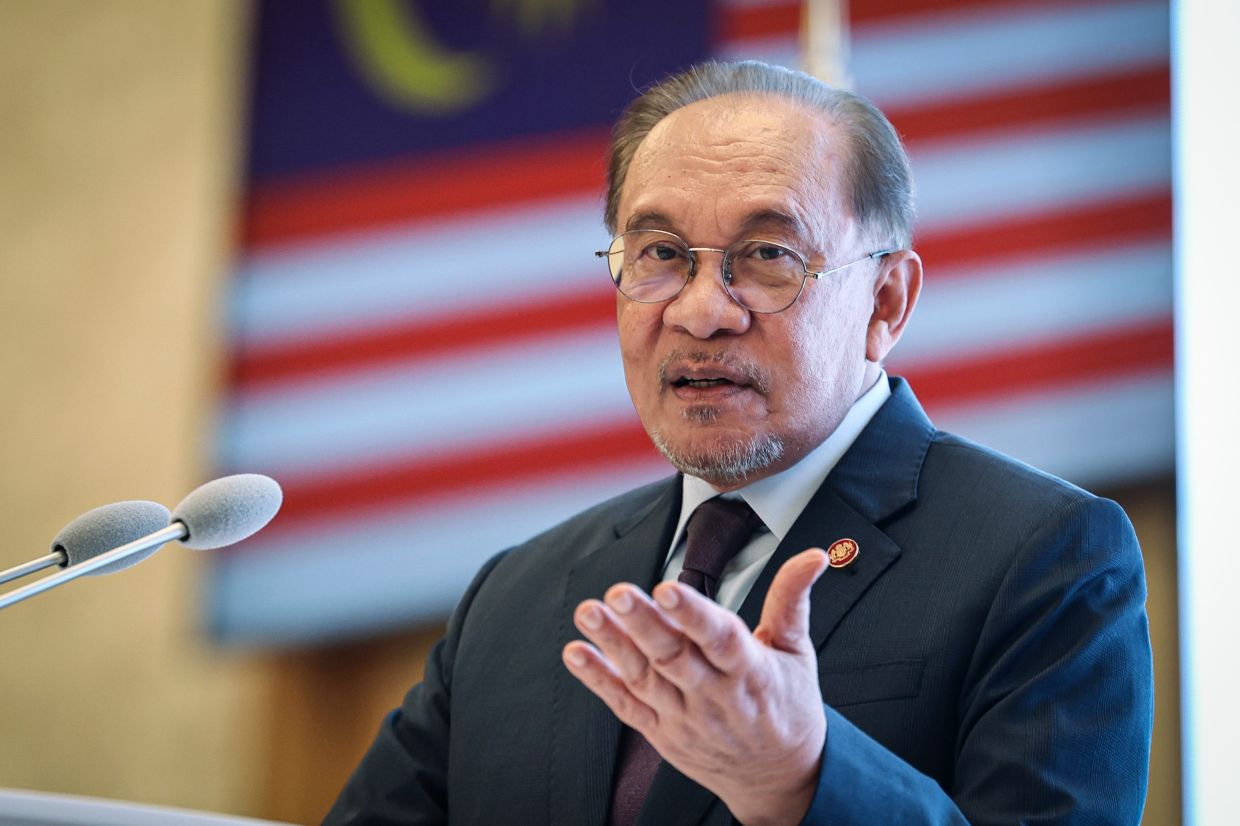
Prime Minister Datuk Seri Anwar Ibrahim has signalled that the long-awaited master plan for the Johor-Singapore Special Economic Zone (JS-SEZ) is moving closer to completion, with both countries expected to reach an agreement in the coming months. The announcement came during discussions with Singapore President Tharman Shanmugaratnam, who is in Malaysia on a three-day state visit from July 13 to 15 at the invitation of His Majesty Sultan Ibrahim, King of Malaysia. Anwar, who simultaneously holds the finance portfolio, held a courtesy meeting with the visiting president to review the state of bilateral relations and pressing regional concerns.
The JS-SEZ represents one of the most significant infrastructure and economic development projects linking the two neighbours, designed to unlock growth opportunities across the Johor-Singapore border region. By establishing a cohesive special economic zone, both nations aim to create integrated supply chains, facilitate cross-border investments, and position the zone as a competitive hub within Southeast Asia's broader economic landscape. The master plan's finalisation is crucial, as it will provide the operational framework, regulatory guidelines, and development timelines that will govern how businesses operate within the designated area and how the two governments will coordinate administrative and logistical matters.
During their discussion, Anwar and Tharman took stock of the progress achieved on this initiative to date, reflecting optimism that the initiative is advancing despite the complexities inherent in transnational infrastructure projects. Both leaders acknowledged the substantial groundwork completed by various task forces and working groups that have been examining technical, legal, and administrative aspects of the zone's establishment. The recognition of progress serves to build momentum among stakeholders in both countries who have invested considerable effort in bringing the project to fruition.
Beyond the JS-SEZ, the two leaders reaffirmed their commitment to resolving several outstanding bilateral matters that have periodically strained relations between Malaysia and Singapore. These unresolved issues, which have ranged from maritime boundary disputes to water agreements and airspace concerns, have required sustained diplomatic engagement over many years. Anwar's statement underscores that both governments remain committed to addressing these challenges through constructive dialogue rather than confrontation, emphasising the principle of finding mutually acceptable solutions.
The tone of the discussions reflects a deliberate approach grounded in mutual respect and understanding, values that both countries have jointly agreed to uphold as they navigate complex negotiations. This emphasis on respectful engagement is particularly significant given the historical sensitivity of some bilateral issues and the need to maintain public confidence that any resolutions reached will be fair and balanced. By highlighting the spirit of mutual respect, both leaders signalled to their respective publics that negotiations are being conducted with appropriate gravity and that neither country is prepared to compromise on fundamental interests.
Anwar expressed particular hope that the bilateral relationship would continue to deepen and strengthen, with prosperity and people-to-people benefits serving as the ultimate objectives. This framing places economic development and social wellbeing at the centre of the bilateral agenda, rather than allowing political or historical grievances to dominate discussions. For Malaysian readers, this signals that the government views deepening ties with Singapore as integral to achieving broader economic growth targets and improving living standards across the country.
The state visit by President Tharman is itself a significant diplomatic gesture, reflecting Singapore's commitment to nurturing ties with its immediate neighbour. High-level visits of this nature provide structured opportunities for leaders to discuss matters that may be difficult to address through routine diplomatic channels, and they serve as occasions to reaffirm shared interests and values. The visit also provides an opportunity to demonstrate to the international community that Malaysia and Singapore are committed to regional stability and prosperity through constructive cooperation.
For the broader Southeast Asian context, the successful finalisation of the JS-SEZ master plan could serve as a model for economic integration within the region. ASEAN member states have long sought to deepen intra-regional trade and investment, and successful transnational zones can demonstrate practical approaches to overcoming regulatory and administrative barriers. The project may also demonstrate to investors worldwide that major Southeast Asian economies are capable of executing sophisticated joint ventures that require sustained commitment and coordination.
The timing of this announcement also reflects the Malaysian government's push to advance flagship economic projects as part of its broader development agenda. With the JS-SEZ positioned to generate employment, attract foreign direct investment, and enhance Johor's economic profile, the project aligns with national development priorities. Completing the master plan would enable the government to move into implementation phases, potentially announcing concrete timelines for zone establishment and inviting commercial participation.
As negotiations continue on resolving other bilateral matters, the progress on the JS-SEZ demonstrates that Malaysia and Singapore possess the capacity to achieve significant joint accomplishments despite occasional disagreements on other fronts. This approach compartmentalises disputes and advances cooperation in areas of clear mutual benefit, a pragmatic strategy that has characterised much of the two nations' post-independence relationship. The commitment to finalising the master plan in the near future suggests both governments are prepared to invest political capital and administrative resources to bring the project closer to operational reality.

