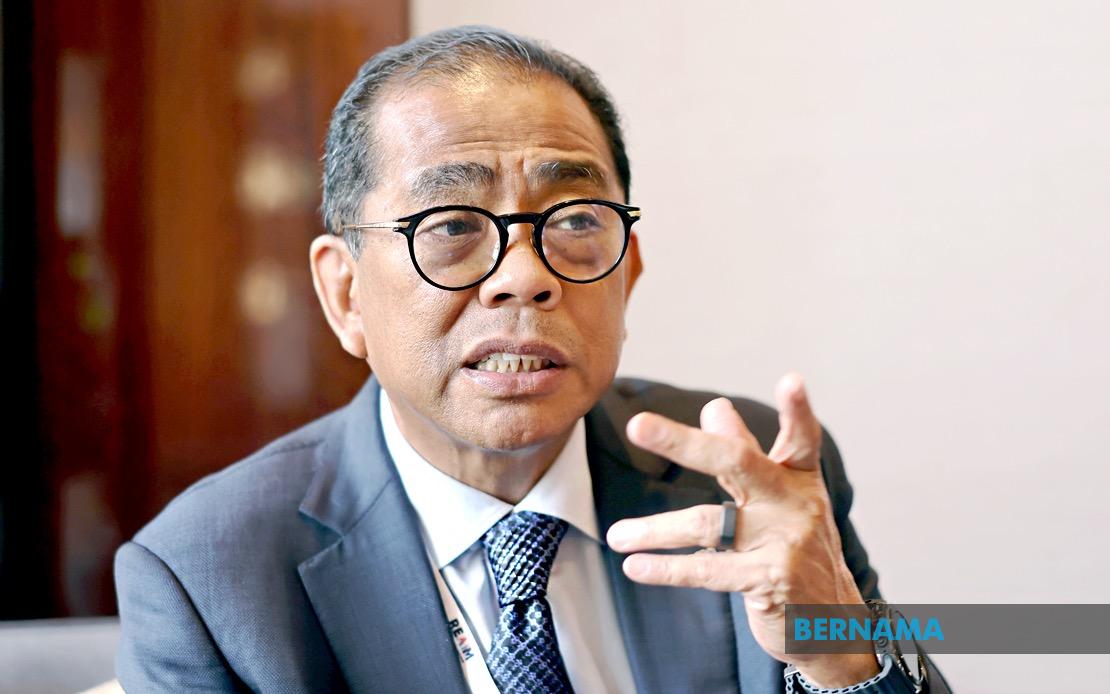
Malaysia and Vietnam are intensifying their defence partnership through a comprehensive framework that addresses both traditional military cooperation and emerging security challenges facing Southeast Asia. Defence Minister Datuk Seri Mohamed Khaled Nordin underscored this commitment following substantive discussions with Vietnamese Minister of National Defence Gen Phan Van Giang during an official visit that commenced in Hanoi this week. The engagement reflects the deepening strategic relationship between the two nations, rooted in their shared interest in maintaining regional peace and advancing collective prosperity across ASEAN.
The bilateral defence agenda encompasses a notably broad spectrum of collaborative initiatives that signal how contemporary security partnerships have evolved beyond conventional military exchanges. Both governments have identified bilateral military training as a priority area, recognising that capacity-building and personnel development strengthen institutional ties and professional competence. Intelligence sharing arrangements represent another critical dimension, allowing both countries to pool resources and insights on transnational threats ranging from terrorism and trafficking to cybersecurity vulnerabilities. This exchange of sensitive information underscores the trust that has been cultivated between the Malaysian and Vietnamese defence establishments over successive years of cooperation.
Maritime security stands out as a particularly pressing concern for both nations given their geographic positions and economic dependence on sea lanes. Discussions focused on maritime domain awareness—the ability to monitor and understand activities across shared waters—which has become essential as regional competition intensifies and unconventional threats proliferate. Additionally, submarine rescue operations emerged as a specialised area of technical cooperation, reflecting Malaysia's interest in acquiring and operating advanced underwater capabilities while learning from Vietnam's operational experience. These practical arrangements demonstrate how defence partnerships can be calibrated to address specific vulnerabilities and capability gaps.
Artificial intelligence and defence industry collaboration represent the forward-looking dimensions of this partnership, positioning both countries to adapt their military doctrines and procurement strategies to technological change. Rather than competing for dominance in weapons systems development, Malaysia and Vietnam are exploring complementary approaches to leveraging AI for intelligence analysis, logistics optimisation, and decision-support systems. Defence industry cooperation could eventually spawn joint ventures or technology-sharing arrangements that reduce costs while building indigenous capacity—a priority for resource-conscious Southeast Asian militaries competing against better-funded rivals.
Mohamed Khaled proposed institutional strengthening through a High-Level Committee mechanism designed to coordinate bilateral initiatives more systematically and ensure that defence initiatives translate from diplomatic commitments into operational reality. This governance structure acknowledges a practical truth: ambitious cooperation frameworks often falter when implementation responsibilities remain ambiguous or when lower-level coordination breaks down. A senior-level oversight body provides momentum and accountability, making it less likely that defence cooperation becomes purely ceremonial.
Regional strategic dynamics, particularly the contentious South China Sea situation, informed the bilateral discussions in ways that reflect Malaysia's delicate balancing act in Southeast Asian geopolitics. Mohamed Khaled emphasised that peace and stability must be preserved through dialogue, diplomatic channels, and adherence to international law rather than coercive measures. This language deliberately sidesteps confrontational framing while simultaneously reinforcing Malaysia's support for a comprehensive Code of Conduct that would regulate behaviour in disputed waters and reduce accident risks. Vietnam, which faces its own territorial pressures, shares Malaysia's interest in rules-based management of maritime disputes.
The Defence Minister's statement reaffirmed ASEAN's collective determination to maintain strategic autonomy and centralised leadership in regional security matters, rejecting external powers' efforts to establish alternative frameworks that might marginalise Southeast Asian agency. This emphasis on ASEAN Centrality has become a consistent theme in Malaysian defence diplomacy, reflecting the nation's conviction that regional problems are best solved by regional actors committed to peaceful coexistence. Malaysia's position implicitly cautions against bloc formation or alignment pressures that could fracture ASEAN solidarity.
The visit commenced with a courtesy call on Vietnamese Prime Minister Le Minh Hung, signalling that defence cooperation enjoys top-level political endorsement in both governments. Discussions with the Prime Minister's office focused on technical cooperation mechanisms, course coordination for military officer training, and maritime security strengthening—practical elements that translate political commitment into institutional capacity. This dual-track engagement at ministerial and prime ministerial levels demonstrates Vietnam's investment in the relationship and Malaysia's strategic importance in Hanoi's broader Southeast Asian network.
The bilateral defence cooperation framework builds upon the Memorandum of Understanding on Defence Cooperation signed in November 2023, which established the formal architecture for expanded engagement. Rather than representing a new relationship, the current visit reflects the maturation of a partnership that has evolved through multiple iterations and institutional mechanisms. This continuity matters because it suggests genuine commitment beyond rhetoric—successive governments have consistently refreshed and expanded defence ties despite changing political circumstances.
Within Malaysia's National Defence Strategic Plan 2026-2030, this bilateral engagement operationalises the core objective of strengthening international defence relations to ensure national sovereignty. By developing stronger ties with Vietnam and other like-minded regional partners, Malaysia constructs a network of mutual security interests that complements formal alliance structures and provides strategic flexibility. The Defence White Paper's emphasis on Competent Partnership finds concrete expression in training exchanges, intelligence arrangements, and joint operational planning.
For Southeast Asia more broadly, Malaysia-Vietnam defence cooperation carries significance beyond bilateral concerns. Both nations serve as stabilising forces in a region where military modernisation and geopolitical competition could easily escalate tensions. By demonstrating that neighbouring countries can build confidence through transparent cooperation and mutual investment in capacity-building, Malaysia and Vietnam offer an alternative model to arms racing or confrontational posturing. This approach aligns with ASEAN's institutional emphasis on peaceful settlement of disputes and confidence-building measures.
The emphasis on addressing grey zone activities—coercive tactics that fall below overt military conflict—reflects sophisticated understanding of contemporary security threats. Fishing vessel harassment, construction activities in disputed areas, and cyber operations represent domains where cooperation in intelligence analysis and contingency planning becomes essential. Malaysia and Vietnam's willingness to jointly address these ambiguous threats demonstrates maturity in recognising that traditional military preparedness alone proves insufficient in protecting national interests and regional stability.

