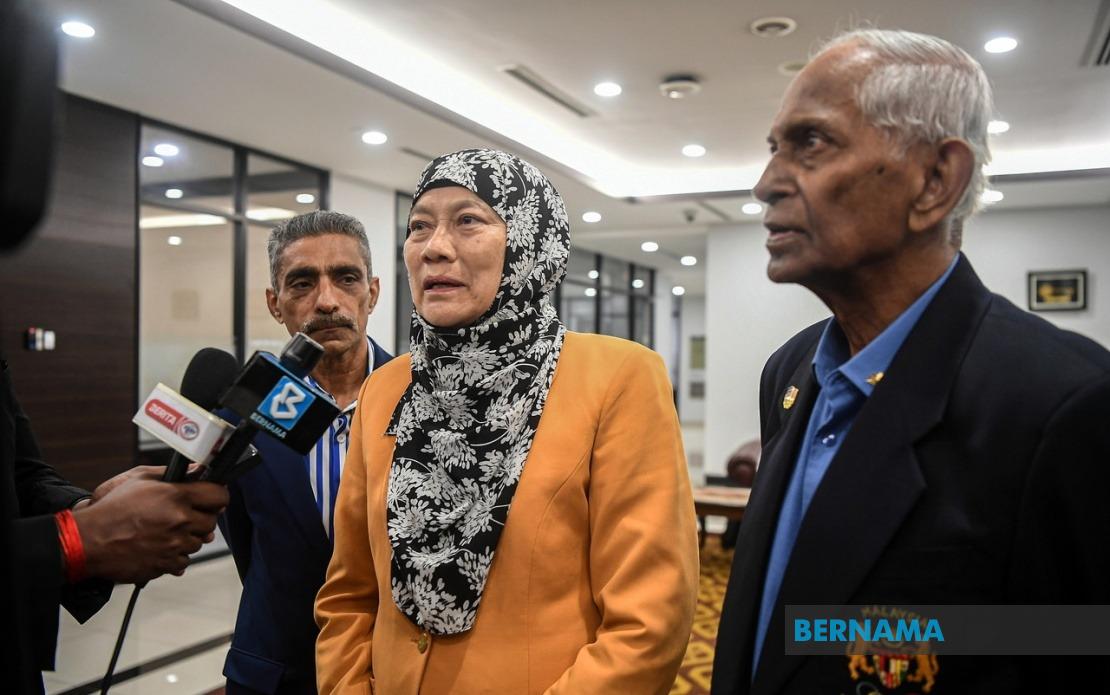
Datuk Zaiton Othman, a former Sports Commissioner and national athlete, has sounded an alarm over Malaysia Athletics' governance structures, warning that the federation risks severe penalties if it fails to align its operations with international standards set by World Athletics. Speaking after a parliamentary meeting with Youth and Sports Minister Dr Mohammed Taufiq Johari, Zaiton stressed that any constitutional amendments or administrative decisions that deviate from World Athletics requirements could trigger suspension or outright cancellation of the national federation's registration.
The implications of such action would be catastrophic for Malaysian sport. Should Malaysia Athletics face disciplinary action, the country would be stripped of its ability to organise athletics competitions at the 2027 SEA Games, which Malaysia is scheduled to host. Equally damaging, Malaysian athletes would be barred from competing in international athletics events that carry World Athletics sanction, effectively isolating the nation's track and field competitors from the global sporting community. For a country that has historically relied on athletics for medal success at regional competitions, such an outcome would represent a significant setback.
Athletics remains one of Malaysia's most prolific medal generators at the SEA Games, typically trailing only swimming and shooting in total gold medals awarded. The sport offered 47 gold medals at the last Games, encompassing marquee events like the men's and women's 100 metres sprints, often considered the blue ribbon event, alongside relay competitions such as the 4x100 metres relay. The loss of these opportunities would substantially diminish Malaysia's competitive prospects at the 2027 regional championships.
Zaiton, herself an accomplished heptathlon competitor once lauded as the 'Iron Woman', led a delegation that included Olympian Datuk Karu Selvaratnam and former National Athletes Welfare Foundation chairman Datuk Noorul Ariffin Abdul Majeed to meet with the minister. The visit underscored growing concern within Malaysia's sporting elite that governance failings at the federation level could harm the nation's athletic ambitions. Former athletes and Olympians have become increasingly vocal about the need to resolve administrative issues that could undermine the competitive performance and development pathways of emerging track and field talent.
The governance challenge at Malaysia Athletics stems partly from constitutional misalignments with World Athletics requirements. MA President Karim Ibrahim took leave from his position last month ahead of an Annual General Meeting scheduled for later in June, specifically to facilitate constitutional amendments that would bring the federation into compliance with World Athletics standards. This move acknowledged underlying structural problems that had been festering within the organization.
Karim's tenure has been complicated by his troubled history with World Athletics itself. In 2018, the world governing body suspended him, a decision the Court of Arbitration for Sport upheld upon appeal. Despite this suspension, he has retained eligibility to contest and serve on the Asian Athletics Federation Executive Council for the 2019-2023 term, a provision that demonstrates the complex intersection of personal suspensions and organizational roles within international athletics governance. His continued involvement in Asian athletics administration while unable to hold certain positions within the national federation has created opaque organizational arrangements.
Zaiton emphasized that while government cannot directly intervene in the administrative operations of sports associations, the Sports Development Act 1997 provides clear legal mechanisms for the Sports Commissioner and the Ministry of Youth and Sports to enforce compliance and impose penalties. This legislative framework permits oversight and enforcement action without direct government control over the associations' day-to-day affairs. The ministry's role is thus calibrated to ensure standards without compromising the independence essential to sports organizations' credibility.
The governance issues at Malaysia Athletics represent a broader challenge facing Southeast Asian sports administration. Many regional federations struggle to maintain compliance with increasingly rigorous standards established by international sports bodies, which now emphasize transparency, democratic procedures, and constitutional adherence as conditions for membership. Malaysia's experience highlights the tension between domestic sports politics and international requirements, a tension that affects multiple federations across the region.
For Malaysian athletes, governance failures translate into practical disadvantages. Uncertainty about federation compliance with international standards creates instability in training programs, competition scheduling, and career pathways. Athletes preparing for the 2027 SEA Games need assurance that their federation maintains the credibility and international standing necessary to secure qualifying events, coaching resources, and competition opportunities. Governance lapses therefore have direct consequences for individual athletic performance and national competitiveness.
The RISE delegation's intervention signals that Malaysia's sporting community is no longer willing to tolerate governance ambiguity at the federation level. By bringing together former athletes, Olympians, and administrative reformers, the group has elevated the governance issue from insider discussion to public scrutiny involving ministerial-level engagement. This pressure reflects recognition that Malaysia Athletics cannot simply muddle through compliance issues; rather, comprehensive reforms are necessary to preserve the federation's international standing and protect Malaysian athletes' interests.
Looking ahead, the June Annual General Meeting represents a critical juncture for Malaysia Athletics. The constitutional amendments must address World Athletics requirements comprehensively, and the federation's leadership must demonstrate genuine commitment to sustained compliance rather than treating reforms as temporary measures to avoid immediate penalties. The 2027 SEA Games provide a concrete deadline, but the broader imperative extends beyond a single event to establishing institutional practices that ensure Malaysia Athletics operates at international standards consistently. Only through such systemic change can the federation regain the trust of athletes, government bodies, and the world athletics community.

