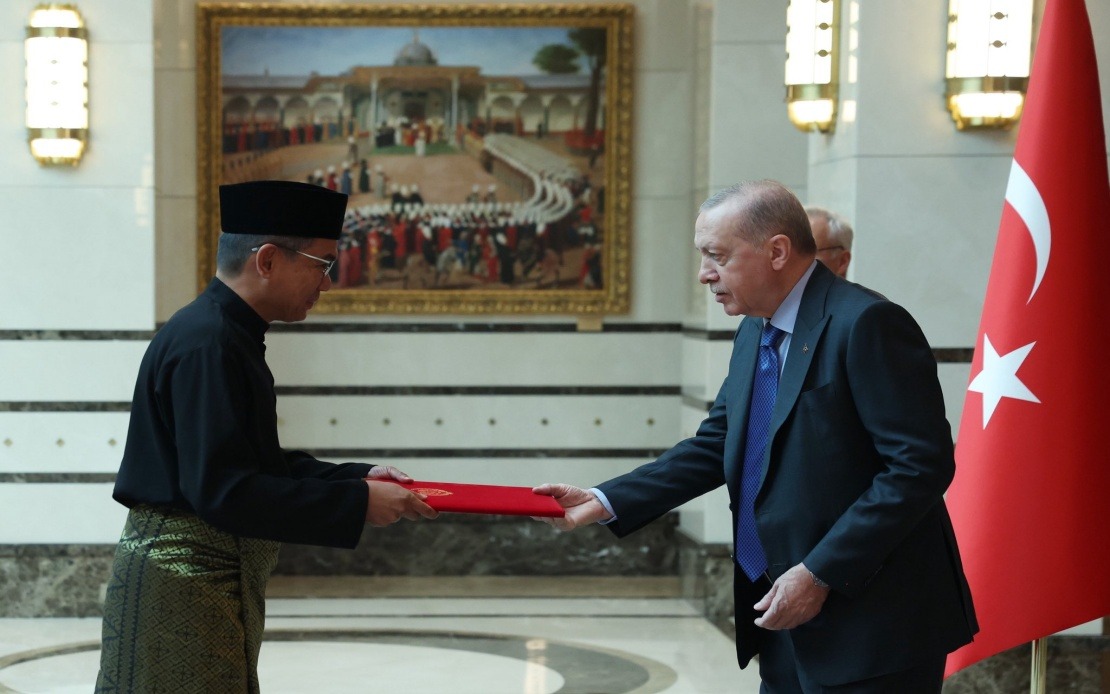
Malaysia has formally thrown its weight behind Türkiye's aspiration to attain ASEAN Dialogue Partner status, a development that underscores the deepening diplomatic engagement between Kuala Lumpur and Ankara. The endorsement came during the presentation of credentials by Malaysian Ambassador to Türkiye, Adlan Mohd Shaffieq, to President Recep Tayyip Erdoğan at the Presidential Complex on June 17, with the Malaysian Embassy in Ankara confirming the message on June 18.
The timing of this diplomatic gesture reflects Malaysia's broader strategic calculus in Southeast Asia's relationship with Turkey, a major geopolitical player spanning Europe and Asia. Ambassador Shaffieq emphasized that Türkiye has progressively emerged as a consequential partner for the region, distinguishing itself through multifaceted engagement that extends beyond traditional trade corridors. The envoy highlighted Turkey's expanding economic footprint across ASEAN member states, its forward-thinking strategic positioning, and the strengthening of cultural and interpersonal connections with Southeast Asian societies.
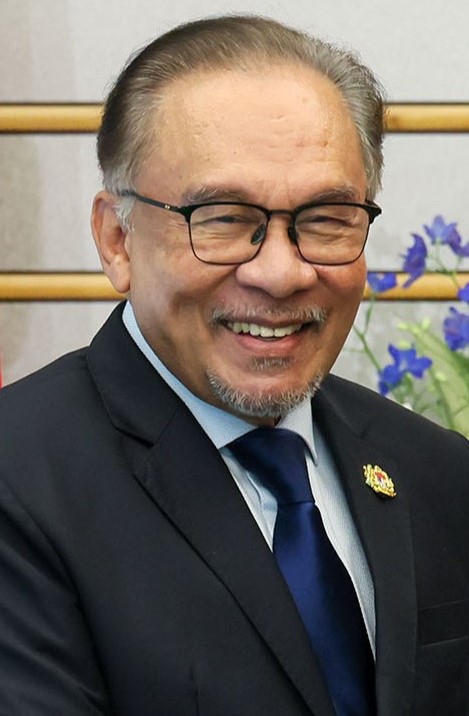
This move carries particular significance for Malaysia, which has positioned itself as a bridge between the Muslim-majority world and ASEAN at large. By endorsing Turkey's dialogue partner bid, Malaysia signals that it views deeper Turkish involvement in regional affairs as beneficial for Southeast Asia's collective interests. The support also reflects the personal rapport that has developed between Turkish leadership and Malaysia's political establishment, particularly President Erdoğan and Prime Minister Datuk Seri Anwar Ibrahim.
The bilateral relationship between Malaysia and Türkiye extends across several strategic domains that merit closer examination for the wider Southeast Asian context. Defence cooperation has become increasingly robust, with both nations recognizing mutual security concerns and opportunities for military-to-military collaboration. Educational partnerships have flourished, with Malaysian students pursuing higher learning in Turkish institutions while Turkish academics engage with Malaysian universities. Perhaps most distinctly, the halal industry represents a unique area of cooperation, given Turkey's significant position in global halal commerce and Malaysia's longstanding expertise in halal certification and standard-setting.
Ambassador Shaffieq conveyed formal greetings and warm wishes from His Majesty Sultan Ibrahim, King of Malaysia, and Prime Minister Anwar Ibrahim to President Erdoğan, underscoring the high-level nature of Malaysia-Turkey relations. This ceremonial dimension, while protocol-driven, carries weight in establishing the foundation for future diplomatic initiatives and collaborative ventures between the two nations.
The Malaysian position reaffirms commitment to consolidating what Kuala Lumpur describes as a longstanding friendship rooted in shared values and mutual interests. The statement characterizes the Malaysia-Turkey relationship as built upon a bedrock of mutual trust and respect, with both nations pursuing aligned objectives centred on peace, regional prosperity, and sustainable development. These shared aspirations form the philosophical basis for expanding cooperation across multiple sectors of mutual concern.
During the bilateral exchange, President Erdoğan reciprocated the diplomatic warmth by expressing confidence in the trajectory of economic relations between the two countries. He signalled that bilateral trade holds considerable growth potential, with both nations targeting a trade volume of US$10 billion. This figure, while ambitious, represents a realistic goal given the complementary nature of Malaysian and Turkish economies and their respective positions within regional and global supply chains.
The convergence between Erdoğan and Prime Minister Anwar on key strategic issues provides an additional dimension to the Malaysia-Türkiye relationship. Both leaders share perspectives on regional development, economic integration, and the importance of strengthening South-South cooperation. By leveraging this personal rapport, Malaysia and Türkiye can potentially unlock new collaborative possibilities spanning infrastructure development, technology transfer, and joint ventures in third-country markets.
Türkiye's pursuit of ASEAN Dialogue Partner status reflects the country's strategic pivot toward deeper Asia-Pacific engagement. While Turkey has long maintained observer status and engaged with ASEAN through various mechanisms, formalizing a Dialogue Partner relationship would provide institutional frameworks for more structured and regular engagement. This status would enable Turkey to participate more systematically in ASEAN-led forums and consultative mechanisms that shape regional policy and strategic responses to transnational challenges.
For Malaysia specifically, supporting Turkey's dialogue partner aspirations aligns with Kuala Lumpur's broader foreign policy orientation toward maintaining diverse international partnerships. By fostering closer ties with Turkey, Malaysia demonstrates its commitment to engaging influential powers beyond its immediate geographic sphere, thereby enhancing its diplomatic leverage and expanding the range of strategic options available to policymakers. The move also reflects Malaysia's understanding that ASEAN's strength derives partly from cultivating quality relationships with strategic dialogue partners who can contribute meaningfully to regional development and security.
The halal industry dimension merits particular emphasis given Malaysia's global leadership in this sector and Turkey's aspirations to expand its market share. Deepened cooperation in halal certification, standards development, and trade facilitation could create mutual benefits while positioning both nations as standard-setters for the global halal economy. This collaborative space represents an area where Malaysian expertise and Turkish market access can combine productively.
Looking forward, Malaysia's endorsement of Türkiye's dialogue partner bid may catalyze increased Turkish engagement with ASEAN at the institutional level. Should the application progress successfully, bilateral Malaysia-Turkey relations would benefit from the broader institutional framework that ASEAN Dialogue Partner status provides. For Malaysia, continuing to strengthen this partnership offers avenues for technological advancement, defence capability enhancement, and expanded market access for Malaysian businesses in Turkish and broader Middle Eastern markets.