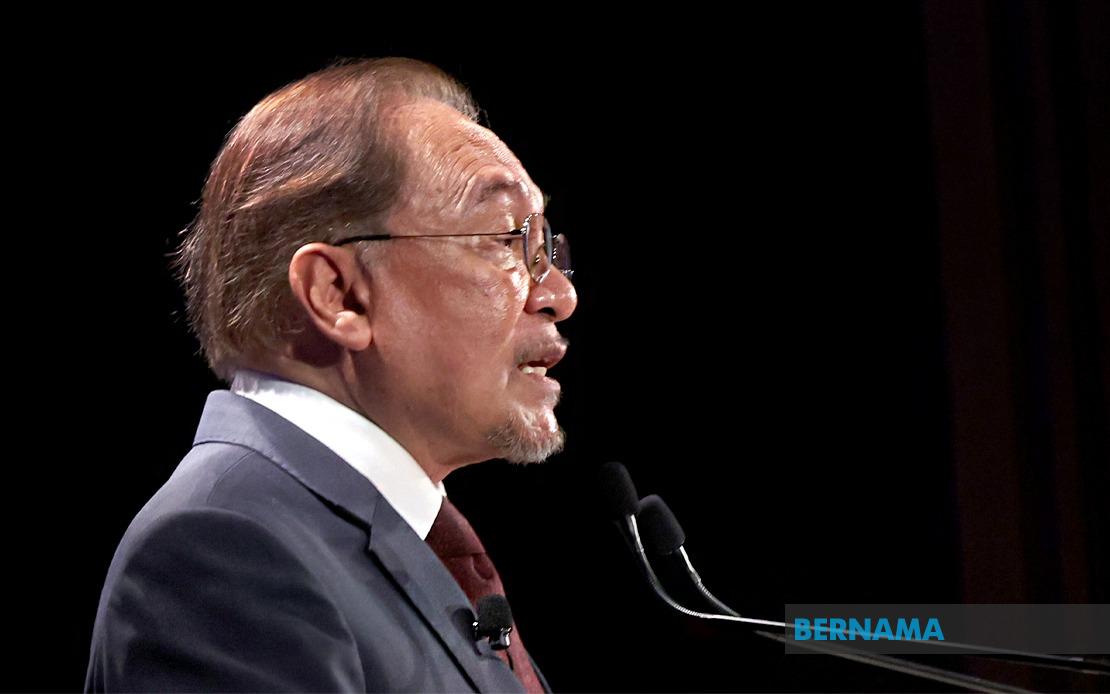
Malaysia has expressed qualified support for the understanding recently reached between the United States and Iran, acknowledging the diplomatic progress while cautioning that the path to sustainable peace remains precarious. Prime Minister Datuk Seri Anwar Ibrahim made the statement at the 39th Asia-Pacific Roundtable organised by the Institute of Strategic and International Studies (ISIS) Malaysia, underscoring his nation's investment in regional stability and international cooperation.
Anwar's endorsement extended beyond the bilateral parties themselves to encompass the broader coalition of nations that facilitated negotiations. He specifically acknowledged the crucial intermediary roles played by Gulf countries, Türkiye, Pakistan and other stakeholders in brokering the memorandum of understanding. This recognition reflects Malaysia's diplomatic positioning within regional networks and its understanding of how Southeast Asia's economic and security interests intersect with developments across the Indian Ocean and beyond.
Central to Malaysia's concerns about the arrangement is what the Prime Minister characterised as the fragile and vulnerable nature of the emerging peace framework. Rather than treating the understanding as a definitive settlement, Anwar cautioned that multiple actors possess incentives or capacity to derail implementation. This circumspection reflects both Malaysia's experience navigating regional conflicts and its awareness that short-term tactical gains can unravel if foundational commitments are not meticulously observed and enforced.
Anwar articulated two immediate priorities that he argued must become the focus of sustained diplomatic and operational attention. First, strict adherence to all ceasefire provisions represents the essential groundwork upon which any durable resolution must rest. Second, reopening the Strait of Hormuz to unrestricted international maritime commerce stands as an urgent economic imperative that extends far beyond the interests of the parties directly involved. For Malaysia and other Southeast Asian economies, the navigability of global shipping corridors carries direct implications for supply chain stability and commodity price volatility.
The Prime Minister drew explicit connections between geopolitical tensions and their cascading economic consequences across developing nations. He observed that global food and energy prices remain elevated as countries scramble to diversify suppliers and accumulate strategic reserves in response to previous disruptions. This dynamic creates sustained inflationary pressure on populations already grappling with cost-of-living challenges, a reality particularly acute for lower-income households in emerging markets.
Anwar quantified the opportunity cost of prolonged international tensions by noting that billions of dollars have been redirected from productive social and economic development initiatives towards securing essential commodities and managing supply chain vulnerabilities. Rather than investing in education, healthcare, infrastructure or poverty reduction, governments have been forced into expensive defensive postures. This reallocation of public resources represents a drag on long-term growth trajectories and compounds developmental inequities between wealthy and poor nations.
The Prime Minister moved beyond abstract economic analysis to emphasise the lived human experience underlying these macroeconomic trends. He underscored that elevated commodity prices and supply disruptions are not merely statistical phenomena confined to economic reports and policy briefings. Instead, they translate into concrete hardships affecting employment prospects, household purchasing power, access to nutrition and essential services, and overall quality of life. This framing resonated with Malaysia's positioning as an advocate for developing nation interests within multilateral forums.
Regarding the substantive progress of the understanding itself, Qatar had reportedly indicated that Iran and the United States achieved constructive momentum during indirect talks concluded on Wednesday. The negotiations focused specifically on the Strait of Hormuz, a waterway of immense global significance that previously facilitated approximately one-fifth of international petroleum shipments before the escalation of hostilities. Restoration of normal traffic flow through this chokepoint would represent a tangible relief to energy-dependent economies throughout Asia and beyond.
The three-day roundtable forum served as a platform for Malaysia to articulate its perspective on international peace architecture and its conviction that regional conflicts impose externalities on distant populations. By hosting this venue and positioning its Prime Minister as a voice for development-focused approaches to geopolitical challenges, Malaysia reinforced its diplomatic positioning as a thoughtful middle power invested in both regional stability and global economic resilience. The timing of Anwar's remarks reflected Malaysia's broader engagement with strategic issues affecting Southeast Asia's economic prospects and security environment, particularly given regional dependence on secure maritime trade routes and stable energy supplies.

