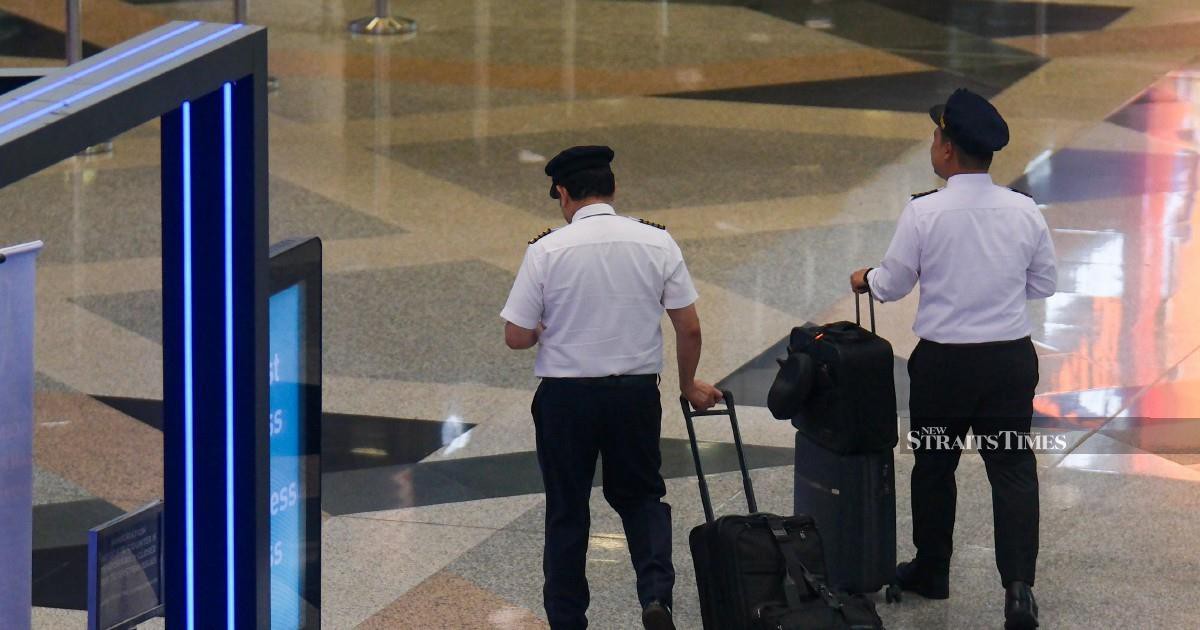
The arrest of a Malaysian pilot allegedly carrying drugs across the border into Indonesia has sparked calls for a comprehensive review of security protocols at Kuala Lumpur International Airport, with Malaysia Corruption Watch emphasising that identifying systemic vulnerabilities should take precedence over assigning institutional blame. The transparency watchdog's intervention signals growing concern that the incident may reveal deeper gaps in airport security infrastructure, particularly in areas responsible for screening personnel and preventing contraband smuggling.
Malaysia Corruption Watch contends that while determining which authority failed in its duties remains administratively important, the overriding priority must be understanding how such a serious breach could occur at one of Southeast Asia's busiest aviation hubs. This perspective reflects a fundamental shift in how authorities should approach the investigation—moving beyond a blame-assignment exercise toward identifying actionable security reforms that could prevent similar incidents.
The timing of MCW's intervention carries significance for Malaysia's broader reputation in international aviation safety and border security. KLIA processes millions of passengers and thousands of crew members annually, and any credible evidence of security vulnerabilities could impact investor confidence, airline operations, and regional perceptions of Malaysia's regulatory competence. For Malaysian aviation authorities, the incident presents both a challenge and an opportunity to demonstrate their commitment to maintaining world-class security standards.
Security lapses at major airports typically involve multiple failure points rather than single responsible parties. These may include insufficient baggage screening procedures for airline personnel, inadequate monitoring of restricted access areas, gaps in personnel vetting systems, or coordination failures between different security agencies operating within the airport's complex ecosystem. Malaysia Corruption Watch's approach suggests that the investigation should map these systemic weaknesses methodically rather than immediately attributing responsibility to specific departments.
The airport operates under a multi-agency framework involving various government bodies and private contractors responsible for different security functions. This distributed responsibility structure, while necessary for operational efficiency, can create accountability gaps when incidents occur. Rather than allowing each agency to defend its particular domain, MCW advocates for a holistic assessment of how these entities interact and where communications breakdowns or procedural gaps may exist.
For Malaysian airports and their international standing, such investigations demand transparency and swift remedial action. Airlines operating from KLIA, international aviation bodies, and regional authorities will be monitoring how comprehensively Malaysia addresses identified vulnerabilities. The International Civil Aviation Organization and bilateral aviation partners may demand assurances that security protocols meet international standards, particularly if evidence emerges that the breach resulted from negligent oversight rather than isolated individual misconduct.
MCW's emphasis on systemic rather than personal accountability also reflects global best practices in aviation security oversight. Following major security incidents, leading airports typically conduct root cause analysis examining procedural weaknesses, training deficiencies, equipment failures, and inter-agency coordination issues. This approach, endorsed by aviation authorities worldwide, generates practical improvements rather than merely disciplining individual employees.
The broader implications for Malaysia's position as Southeast Asia's premier aviation hub are considerable. Neighbouring countries and international carriers evaluate airport security performance when making operational decisions. Any perception that Malaysia's security infrastructure is compromised could influence route planning, pilot recruitment, and cargo operations routing through Malaysian gateways. Conversely, a thorough and transparent investigation demonstrating institutional commitment to security excellence could actually reinforce KLIA's reputation.
Crew members at international airports face unique security challenges because of their legitimate access to restricted areas and their proximity to aircraft and cargo systems. Effective screening systems must balance operational efficiency with rigorous checks, preventing contraband while maintaining reasonable processing times. If KLIA's existing protocols failed to detect prohibited items being carried by an airport employee, this suggests potential weaknesses in physical screening, documentation verification, or behavioural assessment procedures.
The investigation should also examine whether existing technology deployed at KLIA—including scanning equipment, surveillance systems, and access control mechanisms—functioned properly and was deployed at appropriate checkpoints. Equipment failures, outdated technology, or inadequately maintained systems could explain how contraband passed through security layers. MCW's call for systematic examination rather than expedient blame assignment allows such technical factors appropriate investigative attention.
Malaysia's response to this incident will resonate internationally within aviation circles and among regional governments assessing security cooperation. Airlines operating from KLIA employ thousands of Malaysian and foreign crew members who rely on the airport's security infrastructure. Their professional reputation and career prospects depend partly on working from an airport perceived as maintaining rigorous security standards.
The investigation findings should be communicated transparently to aviation stakeholders while maintaining appropriate confidentiality regarding ongoing security procedures. Malaysia Corruption Watch's intervention serves a valuable purpose by encouraging authorities to move beyond institutional finger-pointing toward genuine institutional improvement. This approach ultimately better serves Malaysia's national interest and regional standing than a narrow investigation focused merely on determining which agency deserves censure.

