Malaysia has taken a significant step in strengthening child protection by passing the Sexual Offences Against Children (Amendment) Bill 2026 in the Dewan Rakyat, marking a watershed moment in the country's approach to extraterritorial prosecution of paedophiles and child abusers. The parliamentary vote on June 30 represents growing consensus among lawmakers on both sides of the political divide, with 25 members from government and opposition benches participating in substantive debate before the measure secured approval. The amendment fundamentally reshapes Malaysia's legal framework by extending investigative and prosecutorial reach beyond national borders, targeting individuals connected to the country who perpetrate sexual crimes against minors in foreign jurisdictions.
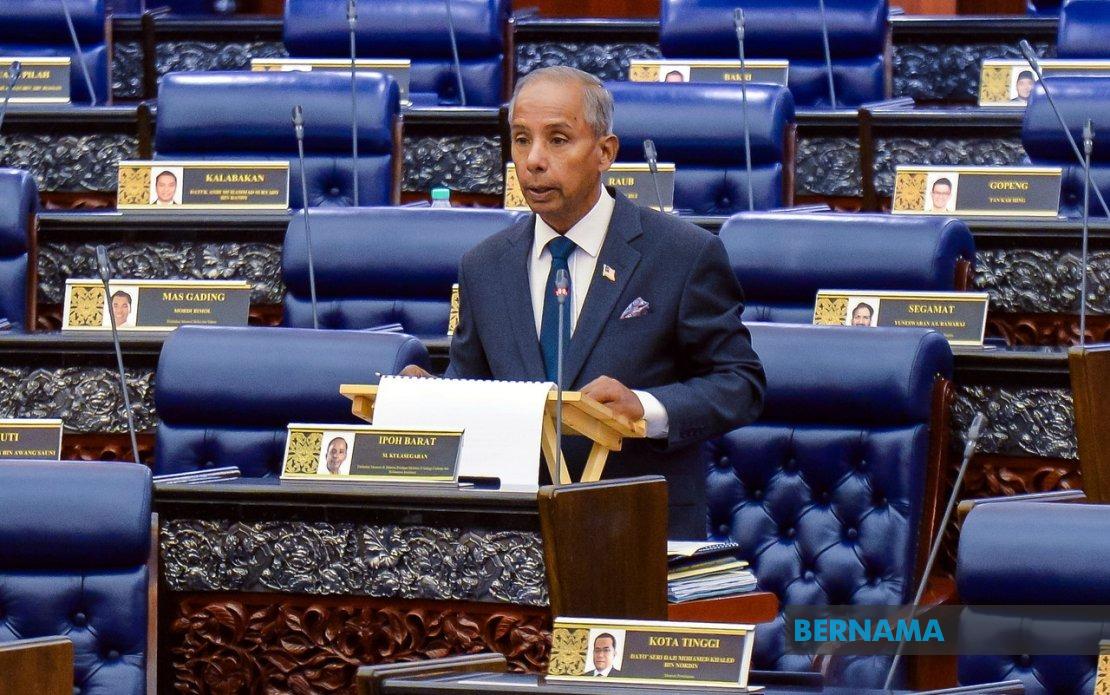
The legislative change addresses a persistent vulnerability in Malaysia's criminal justice architecture that has previously hampered efforts to hold accountable Malaysian nationals and residents who exploit children overseas. M. Kulasegaran, Deputy Minister in the Prime Minister's Department (Law and Institutional Reform), outlined the government's rationale during the bill's winding up remarks, emphasising that the amendment creates a deterrent mechanism preventing offenders from seeking refuge in geographical distance. The clarification proved essential, as concerns had emerged that Malaysia might unilaterally claim jurisdiction over cases occurring entirely outside its territory and involving no Malaysian victims. Kulasegaran's explanation acknowledged the delicate balance required in international criminal law, where respecting sovereignty remains paramount even as countries coordinate to protect vulnerable populations.
Under the amended legislation, Malaysia's relationship with overseas crimes will operate within established international protocols rather than as unilateral assertion of authority. The framework specifically contemplates scenarios where multiple jurisdictions possess legitimate interest in the same offence—situations increasingly common as perpetrators exploit globalised travel patterns and digital communications to identify and target victims across borders. When investigative reports materialise in both Malaysia and a foreign country, the authorities operating within each legal system will engage in formal consultation and cooperation through established international channels, drawing on mechanisms that already govern extradition, mutual legal assistance, and cross-border evidence gathering. This coordinated approach reflects contemporary best practices among Commonwealth nations and democracies that similarly grapple with prosecuting transnational child sexual abuse.
The decision-making process regarding jurisdiction will remain contextual and pragmatic rather than formulaic. Authorities will evaluate which country stands best positioned to investigate comprehensively, considering variables such as witness availability, the geographical location where offences occurred, the accessibility and preservation of physical evidence, and the paramount consideration of whether prosecution genuinely serves the interests of justice and child protection. This nuanced framework prevents either the country where the crime occurred or Malaysia from being sidelined, instead creating a genuine dialogue where both systems contribute expertise and evidence. The approach proves particularly valuable given that child sexual abuse investigations frequently span multiple continents, with victims, witnesses, and perpetrators dispersed across jurisdictional boundaries.
For Malaysia specifically, the amendment carries profound implications for regional security and child welfare standards. Southeast Asia has emerged as a significant destination for child sexual abuse tourism, with law enforcement agencies across the region documenting patterns where perpetrators from developed nations travel to exploit children in countries with weaker enforcement capacity or institutional corruption. By extending Malaysian jurisdiction to citizens and residents who commit such offences abroad, the legislation removes a convenient escape route that previously enabled escaped offenders to claim they fell outside Malaysian legal authority simply by committing crimes in Thailand, Cambodia, or the Philippines. This shift sends a powerful message that Malaysia takes child protection seriously enough to police its own citizens' conduct globally.
The parliamentary debate involving 25 members from across the political spectrum underscores how child protection transcends partisan divides in Malaysian politics. Opposition lawmakers found sufficient merit in the amendment to support passage, suggesting that concerns about government overreach or jurisdictional overexpansion did not materialise or were adequately addressed. This consensus reflects international norms established through United Nations protocols and regional agreements on child protection, which increasingly expect signatory nations to assume responsibility for their nationals' criminal conduct affecting minors even when committed overseas. Malaysia's alignment with these standards enhances its credibility within international child protection networks and law enforcement cooperation arrangements.
The practical implementation of this legislation will depend substantially on Malaysia's capacity to build relationships with foreign law enforcement agencies and judicial systems. Successfully prosecuting overseas cases requires meticulous coordination with authorities in countries where offences occurred, careful handling of evidence gathered under different legal systems, and respect for procedural requirements in those jurisdictions. Malaysia's law enforcement agencies, particularly the Royal Malaysian Police and the Attorney General's Chambers, will need to invest in specialised training and establish formal protocols with counterparts in countries most likely to generate cases—including established centres of child protection cooperation in Australia, the United Kingdom, Canada, and neighbouring Southeast Asian nations. The amendment thus represents not merely a legislative change but a commitment to developing institutional capacity for complex international prosecution.
Children's rights advocates have long identified extraterritorial jurisdiction as a critical tool in combating organised child sexual abuse networks, which frequently operate across borders by exploiting regulatory gaps and jurisdictional confusion. By closing Malaysia's legal lacuna, the amendment joins similar moves by other nations to eliminate safe havens. This legislative progress must be understood alongside parallel developments in technology regulation, as child sexual abuse material increasingly circulates through online platforms that ignore geographical boundaries. Malaysian courts and prosecutors will require specialist expertise in handling digital evidence, understanding cross-border money flows funding exploitation networks, and coordinating with international bodies like Interpol and the International Centre for Missing & Exploited Children.
The amendment also reflects evolving understanding of victim-centred justice in child protection cases. Rather than forcing Malaysian victims or witnesses to travel internationally for testimony, or leaving foreign victims without redress when perpetrators retreat to Malaysia, the legislation enables cases to progress through courts where evidence is most accessible and witnesses most readily available. This approach reduces re-traumatisation of child victims, who constitute the most fragile witnesses in any prosecution. The focus on evidence quality and witness accessibility, rather than technical jurisdictional rules, represents sophistication in how Malaysia approaches criminal justice in an interconnected era.
Moving forward, the effectiveness of this amendment will hinge on diplomatic engagement and institutional coordination. Malaysia should consider establishing bilateral protocols with key trading partners and neighbouring nations that often appear in Malaysian citizens' travel patterns. Thailand, Cambodia, and the Philippines present particular priority areas given documented cases of Malaysian perpetrators exploiting children in those jurisdictions. Additionally, Malaysia should strengthen its participation in multilateral frameworks like the ASEAN Regional Forum's mechanisms for combating transnational crime and the ASEAN Secretariat's work on human trafficking and child protection. The legislative change represents one component of a broader necessary response encompassing prevention education, victim support services, and international cooperation that remains incomplete without sustained commitment to implementation.
The Dewan Rakyat's passage of this amendment reflects Malaysia's recognition that protecting children transcends national borders in an era of globalised movement and communication. The legislation acknowledges that perpetrators cannot be permitted to exploit geography and legal fragmentation, while simultaneously respecting the sovereignty and primary investigative authority of countries where crimes physically occur. As implementation mechanisms develop and enforcement agencies build international relationships, this amendment should significantly enhance Malaysia's capacity to hold accountable those who abuse children, whether those violations occur at home or abroad.

