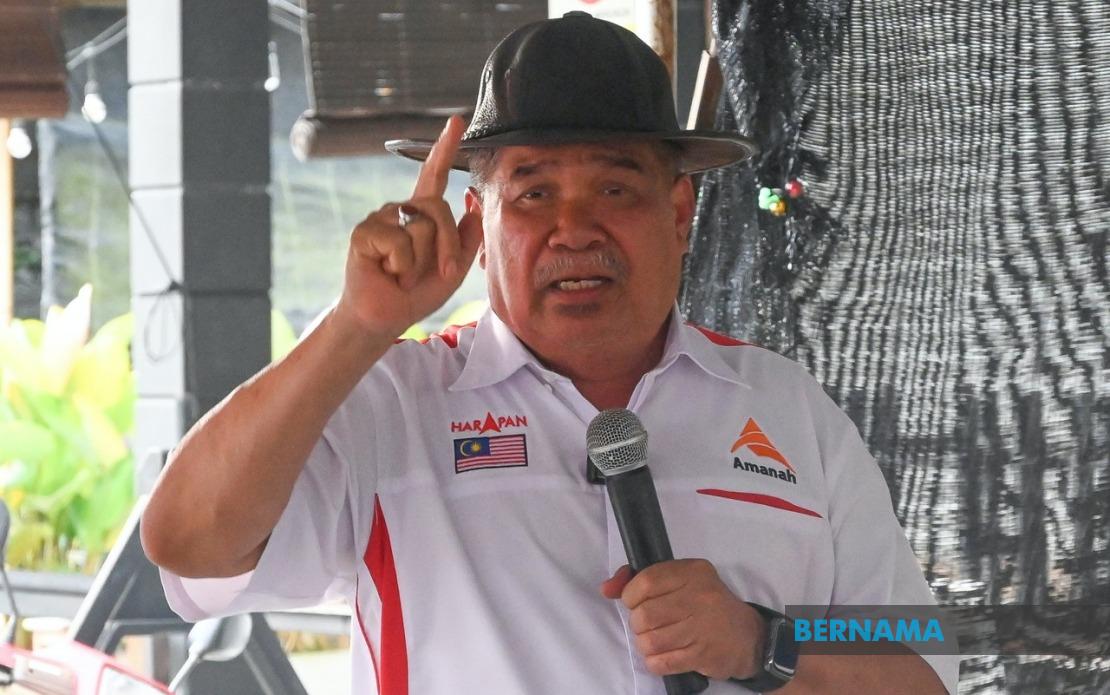
Negotiations between Malaysia and Thailand over a contentious shrimp import ban are entering their final phase, with government officials confident a resolution will emerge within the coming weeks. Agriculture and Food Security Minister Datuk Seri Mohamad Sabu made the announcement in Kota Bharu on August 8 while attending the closing ceremony of the Road to MAHA 2026 East Coast Zone programme, signalling that months of discussions are moving toward a conclusion. The minister's optimistic timeline suggests both countries are working to normalise trade relations in this significant agricultural sector relatively swiftly.
The dispute centres on five shrimp varieties that Malaysia suspended from Thai imports starting June 1, as the government implemented tighter scrutiny of fishery products originating from its northern neighbour. The affected species include brown tiger shrimp (Penaeus esculentus), banana shrimp (Fenneropenaeus merguiensis), white shrimp (Penaeus vannamei), tiger shrimp (Penaeus monodon) and blue shrimp (Penaeus stylirostris). These varieties represent a substantial portion of Thailand's aquaculture exports to Malaysia and are widely consumed throughout Southeast Asia, making the temporary prohibition a matter of commercial importance for both Bangkok and Kuala Lumpur. The suspension reflected Malaysia's determination to strengthen food safety protocols and maintain stricter controls over imported seafood products.
The timing of negotiations reflects broader tensions in regional trade relations, though officials have characterised the discussions as constructive and forward-looking. Malaysia's decision to temporarily block imports signalled concerns about compliance with quality and safety standards rather than protectionist intent, a distinction Mohamad Sabu has sought to emphasise. Thai exporters have meanwhile been pressing for rapid resolution, given the economic impact of reduced market access in Malaysia, one of Southeast Asia's largest consumer markets for premium shrimp varieties. The resolution by mid-August would provide certainty to producers and importers on both sides before the crucial year-end buying season.
Beyond the immediate shrimp dispute, Mohamad Sabu used the occasion to outline Malaysia's broader agricultural vision, highlighting how MAHA 2026 will serve as a platform for technological exchange and innovation. The upcoming exhibition, scheduled for August 28 to September 6, has expanded its international reach significantly, attracting interest from unexpected quarters including African nations and Central Asian countries alongside traditional partners such as China, Britain, Japan and the United States. This diversification reflects how agricultural modernisation has become a global priority, with countries increasingly seeking to learn from one another's advances in farming technology and food production systems.
The minister emphasised that food security has emerged as a paramount concern across the world, and Malaysia confronts particular vulnerabilities given its reliance on imported foodstuffs to meet domestic demand. Despite possessing substantial arable land and a sophisticated agricultural sector, Malaysia continues to depend heavily on external supplies for various commodities, creating both economic and strategic considerations around import reliability and supply chain resilience. The Thai shrimp issue must therefore be understood within this broader context of ensuring stable access to essential food products while maintaining appropriate safety and quality standards that protect consumers.
MAHA 2026 represents an ambitious undertaking aimed at positioning Malaysia as a regional hub for agricultural advancement and innovation showcase. The event targets attracting approximately five million visitors, matching the impressive attendance figures from the previous iteration two years earlier, with additional crowds expected from National Day celebrations overlapping with the exhibition period. Organisers are projecting RM58 million in direct sales from the event itself, while the broader initiative aims to generate RM8 billion in potential investments from participating companies and international delegations interested in establishing operations or partnerships within Malaysia's agricultural ecosystem.
The exhibition will feature extensive displays of modern agricultural technology, innovation initiatives and industry cooperation models that demonstrate Malaysia's commitment to evolving beyond traditional farming practices. By bringing together stakeholders from diverse geographic regions and economic backgrounds, MAHA 2026 seeks to facilitate knowledge transfer and identify collaborative opportunities that benefit Malaysian farmers and agribusinesses. The event's design suggests recognition that agricultural competitiveness increasingly depends on technological adoption and international partnerships rather than simply expanding production volumes through conventional methods.
The Road to MAHA 2026 programme in Kota Bharu represented the final instalment of a nationwide preparatory campaign, following similar events held in Kedah, Selangor, Melaka and Labuan. This systematic approach across multiple states allowed officials to build awareness, gather regional feedback and demonstrate government commitment to agricultural development beyond the capital region. Such grassroots engagement is particularly important in Malaysia's context, where rural constituencies contain significant farming populations whose livelihoods depend on agricultural sector policies and investment patterns.
Monitor Sabu acknowledged contributions from the Kelantan state government, federal and state agencies, and strategic partners who collaborated to make the preliminary programmes successful. This acknowledgment reflects the substantial coordination required to execute such nationwide initiatives, involving multiple governmental layers and private sector participants. Successful delivery of MAHA 2026 itself will similarly demand sustained cooperation across similar networks, with success measured not only in visitor numbers but in concrete business outcomes and technology adoption among Malaysia's farming community.
The convergence of the shrimp import negotiations and MAHA 2026 planning illustrates how Malaysia is simultaneously managing immediate bilateral trade concerns while positioning itself as a regional agricultural innovation leader. The expected resolution of the Thai dispute demonstrates commitment to maintaining functional regional trade relationships while upholding food safety standards. Meanwhile, MAHA 2026's expanded international scope suggests Malaysia recognises that future agricultural competitiveness depends on technology adoption and global partnerships rather than import substitution or protectionist policies. As Malaysia navigates these dual priorities, success in both areas would reinforce its position as a pragmatic regional player balancing commercial interests with consumer protection.

