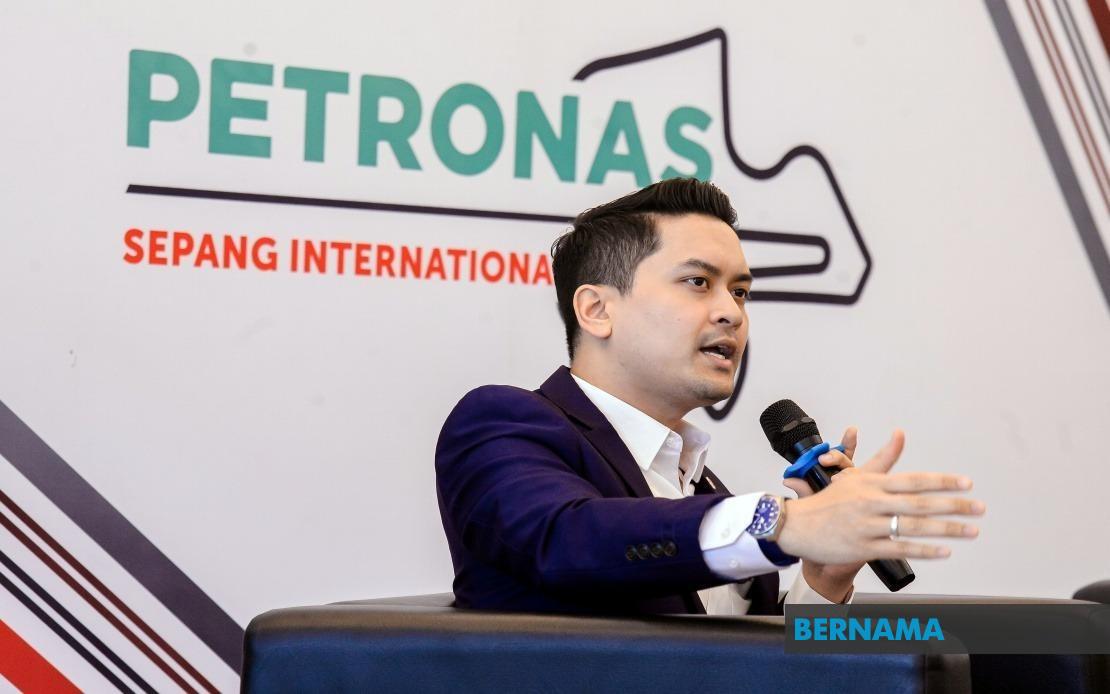
Malaysia is being actively considered to host a Formula 1 race at the Sepang International Circuit, marking a potential return to the global motorsports stage after a seven-year absence. The Ministry of Youth and Sports announced it is undertaking detailed assessments of the hosting opportunity, with Prime Minister Datuk Seri Anwar Ibrahim and the ministry having already received preliminary indications of the possibility. Youth and Sports Minister Dr Mohammed Taufiq Johari confirmed the discussions are ongoing, though he cautioned that concrete announcements would only come once definitive arrangements are finalised. The timing of this initiative reflects Malaysia's continued commitment to supporting national and international motorsports development, a strategic priority for the country's sporting infrastructure.
The impetus behind Malaysia's potential return to the F1 calendar stems from unprecedented disruptions to the 2024 season caused by escalating geopolitical tensions in West Asia. When the Iran-Israel conflict intensified in mid-March, F1 management was forced to postpone races scheduled for April in Bahrain and Saudi Arabia, contracting the calendar from 24 events to 22. This represented a significant logistical challenge for the sport's global schedule, requiring organisers to explore contingency venues and alternative dates. The ramifications of these cancellations have reverberated throughout the season's planning, forcing Formula 1 stakeholders to identify backup locations that could accommodate races on short notice.
Originally, Formula 1 management had explored rescheduling the Bahrain Grand Prix for the first weekend of October, positioning it between the Azerbaijan and Singapore legs of the circuit. However, this prospect has become increasingly untenable as tensions between the United States and Iran have escalated anew, making the viability of any Middle Eastern venue this autumn highly questionable. The deteriorating security situation has effectively eliminated what had been the preferred solution for accommodating the displaced Bahrain race. This shift in circumstances has forced F1 officials to broaden their search for alternative hosting locations beyond the traditional Middle Eastern calendar positions.
Under the current contingency planning framework, Malaysia and Türkiye have emerged as the primary candidates to fill the October 4 racing slot. Both nations possess established motorsports infrastructure and previous F1 hosting experience, making them administratively and logistically capable of staging a Grand Prix on compressed timelines. Malaysia's candidacy carries particular weight given its proven track record and the relative recency of its engagement with the sport. The selection between these two contenders will likely depend on a combination of factors including venue readiness, regulatory compliance, and commercial considerations that F1 management will weigh during the championship's mid-season hiatus.
The Sepang International Circuit, the proposed Malaysian venue, hosted the Malaysian Grand Prix consistently from 1999 through 2017, establishing itself as one of Southeast Asia's premier motorsports facilities. The circuit's withdrawal from the F1 calendar occurred not due to technical inadequacy but rather from economic pressures stemming from escalating hosting costs and licensing fees that became unsustainable for Malaysian authorities. This financial burden represented a persistent challenge to maintaining F1 status, a problem that has affected multiple circuits globally as the sport's operational requirements have become increasingly expensive. The circuit itself, however, retains full capability to meet contemporary F1 specifications, requiring primarily administrative and commercial rather than infrastructural remediation.
For Malaysian stakeholders and the broader Southeast Asian motorsports community, a return to F1 hosting would carry significant implications. Beyond the immediate economic stimulus and international prestige associated with staging a world-class sporting event, regular F1 engagement would reinvigorate public interest in motorsports, potentially stimulating development of domestic racing talent and facilities. The automotive and engineering sectors could benefit from enhanced global visibility and the technological showcasing opportunities that accompany F1 events. Additionally, successful hosting would position Malaysia as a reliable contingency venue for international sporting bodies, potentially creating future opportunities across multiple sports disciplines and demonstrating the nation's capacity for large-scale event management.
Formula 1's decision-making process is expected to accelerate during the championship's mid-season break following this weekend's Hungarian Grand Prix in Budapest, with the circuit then resuming competition at the end of August. This timeline provides a compressed window for finalising arrangements, as F1 management must balance the need for thorough planning against the imperative to announce scheduling decisions with sufficient notice for teams, broadcasters, and ticketing operations. The urgency underscores the unprecedented nature of the calendar disruptions, requiring organisers to operate with greater flexibility than traditional Formula 1 planning protocols typically allow.
The conditional nature of Malaysia's candidacy warrants consideration of broader regional dynamics affecting the sport. Should tensions in West Asia not substantially diminish, the likelihood of both Qatar and Abu Dhabi hosting their scheduled final-season races in late November and early December becomes questionable. These two events currently represent the championship's closing rounds, and their removal would create additional calendar gaps requiring supplementary venues. Malaysia's potential assignment to October might therefore represent merely the first of multiple adjustments to the season's structure, with subsequent modifications potentially creating additional opportunities for alternative venues. The cascading effects of geopolitical instability on sports scheduling illustrate the complex interdependencies between global security conditions and international sporting operations.
For Malaysian policymakers, the assessment process occurring within the Ministry of Youth and Sports represents an opportunity to evaluate hosting viability against contemporary economic and operational constraints. The fiscal environment surrounding major sporting events has shifted significantly since Malaysia last hosted F1 in 2017, with evolving sponsorship models, broadcast revenue structures, and operational efficiencies potentially altering the equation that previously rendered hosting economically unviable. Modern approaches to event financing, including public-private partnership models and staggered infrastructure investment, might present solutions that did not exist during the earlier decision-making context. The ministry's current deliberations should therefore extend beyond immediate acceptability to encompassing longer-term strategic questions regarding Malaysia's role in international motorsports and the sustainable economics of maintaining F1 status.
The broader context reveals how Southeast Asia remains attractive to F1 management despite economic and logistical challenges. The region's growing middle class, expanding automotive markets, and established sporting culture continue to interest the sport's commercial operators. Malaysia's geographic position, existing infrastructure, and governmental capacity for coordination position it competitively against other potential candidates globally. A successful October race would demonstrate that Malaysian venues and administrators can deliver world-standard motorsports experiences, potentially creating momentum for negotiating more permanent calendar participation. The assessment process therefore extends beyond this singular contingency situation to encompassing questions about Malaysia's long-term positioning within international motorsports hierarchies and the nation's attractiveness to global sporting enterprises.

