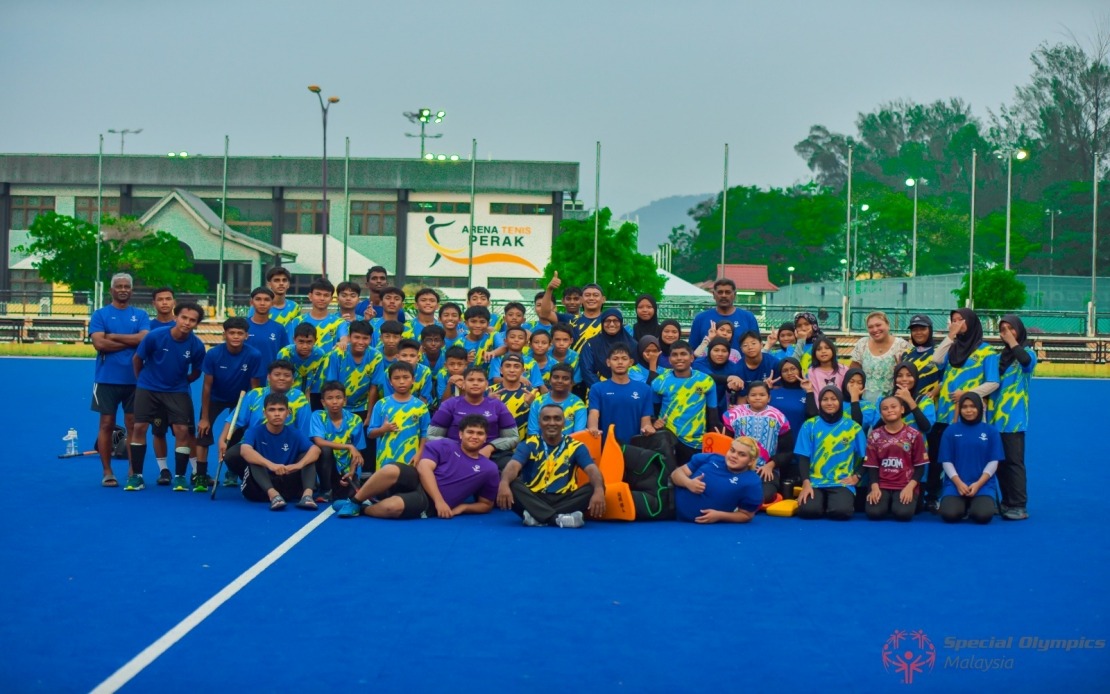
Malaysia has confirmed its participation in the inaugural FIH Para Hockey ID World Cup, scheduled to take place across Belgium and the Netherlands from August 20 to 25. The nation will send a 10-member delegation comprising six men and four women to compete in this landmark tournament, representing a milestone achievement for Malaysian para hockey on the world stage.
The selection of players for this mixed-gender competition reflected a rigorous evaluation process that began in December 2025, according to Shanker Retinam, assistant head of delegation for the Malaysian team. Candidates were assessed primarily on their performance metrics, dedication to training regimens, and demonstration of discipline—criteria that underscored the federation's commitment to fielding a competitive and well-prepared squad. Following their selection, athletes have participated in monthly centralised training sessions held in Ipoh, a regimen designed to sharpen technical skills and foster team cohesion ahead of the world championship.
The tournament itself carries considerable prestige within the international para hockey community. With 16 of the world's strongest national teams gathering to compete, the event provides a high-profile platform for Malaysian athletes to demonstrate their capabilities in the intellectual disability classification category. This inaugural edition represents a watershed moment for Malaysian para sports, offering athletes an unprecedented opportunity to test themselves against established powerhouses on a truly global stage.
What amplifies the significance of this tournament is its timing and venue arrangements. The FIH Para Hockey ID World Cup will unfold simultaneously with the Men's and Women's Hockey World Cups at shared locations across both Belgium and the Netherlands. This convergence means that para hockey will occupy equal prominence alongside the traditional Olympic sport, signalling a broader international commitment to elevating para sports visibility and recognition. For Malaysia, competing within this framework elevates the profile of its intellectual disability hockey programme considerably.
Malaysia's pathway through the tournament has been determined by the draw, placing the team in Pool B alongside a formidable collection of nations. The Netherlands, Argentina, England, Spain, India, Chile, and Bulgaria will all contend for advancement, creating a genuinely competitive group that spans multiple continents and hockey traditions. This composition means Malaysia will face diverse tactical approaches and playing styles, from the established European hockey infrastructure to the emerging programmes in South Asia and Latin America.
The Malaysian contingent will open its campaign against Bulgaria in the Netherlands, a fixture that will serve as a litmus test for the team's preparation and readiness. Rather than facing one of the tournament favourites immediately, this opening assignment provides a potentially more manageable starting point while still offering stiff competition. The timing and location of this match will shape momentum heading into subsequent Pool B encounters against stronger opponents.
Logistically, the delegation is scheduled to depart Malaysia on August 17, allowing a three-day buffer before the tournament commences. This timeframe provides opportunity for acclimatisation to European conditions, final tactical adjustments, and synchronisation of team dynamics before competitive action begins. The journey represents not merely a sporting expedition but a significant investment in developing Malaysian para hockey's international experience and competitive standing.
The flag-handover ceremony, a ceremonial touchstone for Malaysian sporting delegations, will be officiated by Sultan Nazrin Shah, the Sultan of Perak. This royal endorsement underscores the tournament's importance within Malaysia's sporting calendar and provides institutional recognition of para hockey's place within the nation's athletic pursuits. Such ceremonial elements reinforce the legitimacy and prestige associated with participation, encouraging broader social awareness of para sports.
For Malaysian para hockey, this World Cup represents far more than a single tournament. It marks an inflection point where intellectual disability hockey transitions from a primarily domestic concern to genuine international engagement. Success in Belgium and the Netherlands will establish reference points for future development, attract increased funding attention, and inspire younger athletes to pursue para hockey pathways. The experience gained by these 10 competitors will generate invaluable intelligence regarding training methodologies, tactical innovations, and competitive benchmarks that will inform programme development for years ahead.
The selection of a balanced squad containing four women athletes also reflects evolving attitudes toward gender equity within para sports. Rather than treating women's participation as supplementary, the inclusion of female competitors in equal proportion to men demonstrates Malaysia's commitment to inclusive representation. This approach aligns with international trends toward gender parity in sports and positions Malaysia as progressive within the para hockey movement.
Regionally, Malaysia's participation contributes to Southeast Asian visibility in para sports at the highest levels. While the Netherlands and potentially India represent stronger regional presences, Malaysian success would elevate the region's overall competitive standing and inspire neighbouring nations to invest more substantially in their own para athletic programmes. The tournament thus carries implications extending well beyond Malaysia's borders, potentially catalysing regional growth in para hockey participation and infrastructure development.

