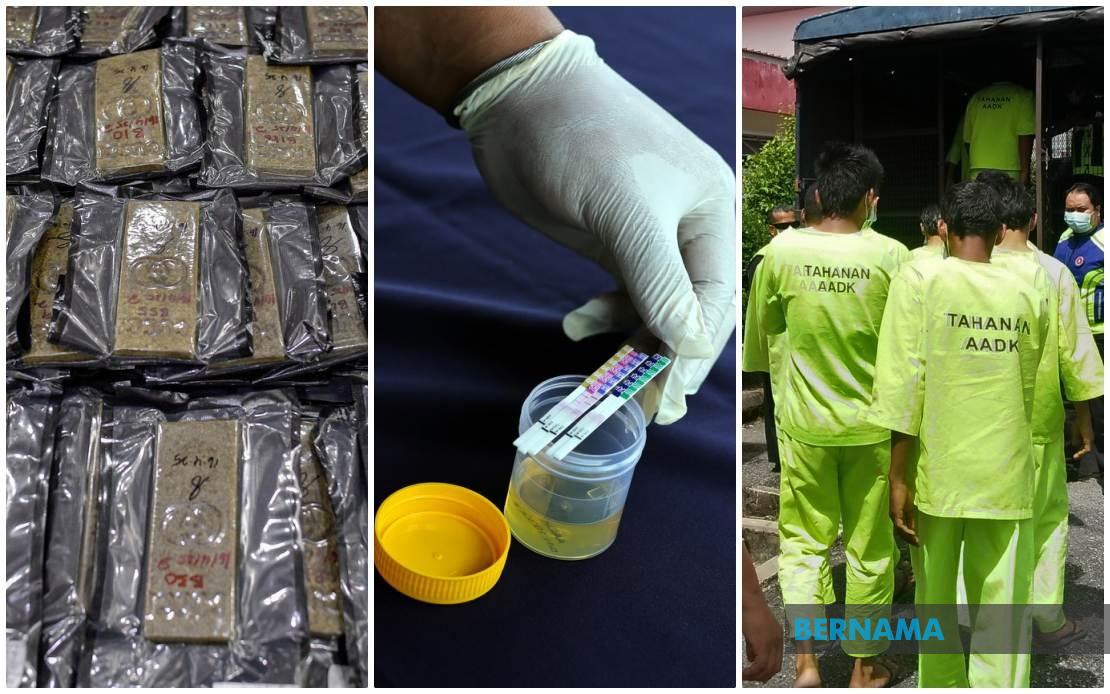
The synthetic drug crisis in Malaysia continues to intensify, with authorities documenting over 141,000 cases of abuse throughout the previous year, according to Home Minister Datuk Seri Saifuddin Nasution Ismail. Presenting data during parliamentary questioning, the minister outlined a troubling trajectory that has seen the problem grow progressively worse, from 145,526 cases in 2023 to 192,852 incidents recorded in 2024—a dramatic escalation that underscores the deepening grip of synthetic substances across the nation.
The composition of Malaysia's drug abuse landscape has undergone a seismic shift in recent years. Amphetamine-Type Stimulants, commonly known as ATS and including methamphetamine or syabu, now constitute approximately 70 per cent of all documented drug abuse cases nationwide. This represents a fundamental transformation in user preferences away from traditional illicit substances like heroin, cannabis, and ketum that previously dominated the market. The pivot towards synthetic drugs signals not only changing consumption patterns but also reflects the evolving sophistication of trafficking networks and the accessibility of these substances through modern channels.
Geographic analysis reveals that Malaysia's synthetic drug problem is geographically concentrated, with the east coast emerging as the epicentre of the crisis. States along this corridor—including Kelantan, Terengganu, and Pahang—report the highest prevalence rates, fundamentally reshaping the nature of addiction challenges in these communities. The shifting epidemiology demonstrates that the traditional drug landscape of the region has been upended, with users increasingly abandoning older narcotics in favour of the more potent and addictive synthetic alternatives that manufacturers continue to engineer.
A particularly alarming development has emerged through recent police enforcement operations targeting adulterated vaping products. Fentanyl, a powerful synthetic opioid, has begun appearing in circulation across Malaysia. This substance presents an unprecedented danger, being exponentially more potent than morphine—with lethal doses measured in micrograms rather than milligrams—and carrying an exceptionally high risk of fatal overdose. Although fentanyl's current prevalence remains comparatively limited relative to established synthetic drugs, its detection signals a new frontier in the nation's drug crisis that demands urgent attention from public health and law enforcement agencies.
The regulatory framework has begun adapting to this emerging threat. Fentanyl has been formally incorporated into Malaysia's controlled substances schedule through amendments to both the Drug Dependants (Treatment and Rehabilitation) Act and the Dangerous Drugs Act 1952. These legislative modifications enable law enforcement to pursue criminal prosecution against those manufacturing, trafficking, or possessing the substance, establishing the legal foundation for enforcement operations.
Current-year statistics paint an even more alarming picture. Since January, approximately 192,000 drug abuse cases involving all substance types have been documented, translating to roughly 560 incidents per 100,000 population. The demographic concentration is stark and deeply concerning: nearly three-quarters of these cases involve individuals aged between 15 and 39 years, indicating that synthetic drug abuse has become entrenched within Malaysia's youth and young adult populations. This age distribution carries profound implications for long-term public health, economic productivity, and social stability.
District-level analysis reveals hotspots of particular severity. Pendang district reports the highest incidence rate, followed closely by Kuala Krai, while Bachok, Besut, and Mersing round out the list of most affected areas. These concentrations suggest that certain geographic zones face compounded challenges stemming from factors such as proximity to trafficking routes, socioeconomic conditions, limited access to rehabilitation services, or networks of established addiction. The prison system reflects this crisis with alarming clarity: approximately 70 of every 100 inmates maintain connections to drug-related convictions or remands, with some facilities such as Machang reporting near-universal drug involvement among the incarcerated population.
The National Anti-Drugs Agency (AADK) has deployed a multifaceted intervention strategy spanning prevention, education, and enforcement. Community-based prevention initiatives operate alongside structured education programmes within schools and educational institutions. Family-level interventions and workplace programmes attempt to address root causes and identify vulnerable populations before addiction takes hold. Simultaneously, enforcement cooperation between the AADK, the Royal Malaysia Police (PDRM), and the Customs Department targets supply chains and trafficking networks at multiple points.
A critical vulnerability has emerged through digital channels. The expansion of unregulated online marketplaces has fundamentally altered the dynamics of drug procurement, enabling consumers to purchase synthetic substances with minimal friction and without traditional geographic or social barriers. These platforms operate without content regulation or verification of merchandise, creating a shadow marketplace that conventional enforcement mechanisms struggle to penetrate. This technological dimension of the crisis represents an emerging frontier that demands novel enforcement approaches and international cooperation.
The implications for Malaysia's broader social fabric are profound. The concentration of drug abuse within young demographics threatens to destabilise workforce participation, educational attainment, and family structures across affected communities. The east coast's particular vulnerability suggests that regional development policies and health resource allocation require urgent recalibration. Prison populations saturated with drug-related cases indicate that the criminal justice system increasingly functions as a reactive mechanism rather than addressing underlying substance abuse drivers. Without substantial intervention across prevention, treatment, and supply-chain disruption, synthetic drug abuse appears poised to remain a defining challenge for Malaysian policymakers throughout the coming years.

